Darwin Perennials photo
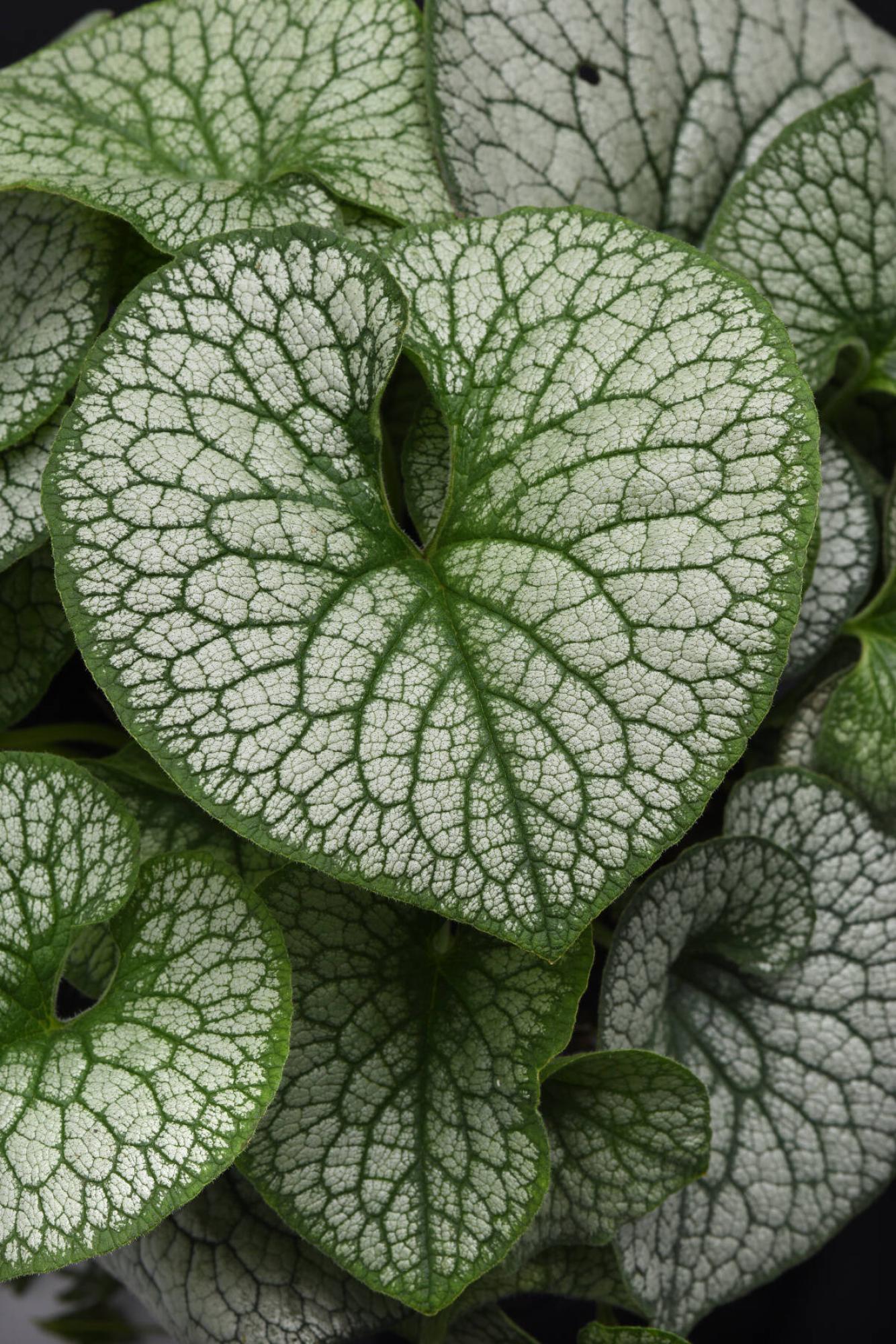
Brunnera macrophylla Frost King’s foliage is hairy and sandpapery and may deter deer.
Syngenta Flowers photo
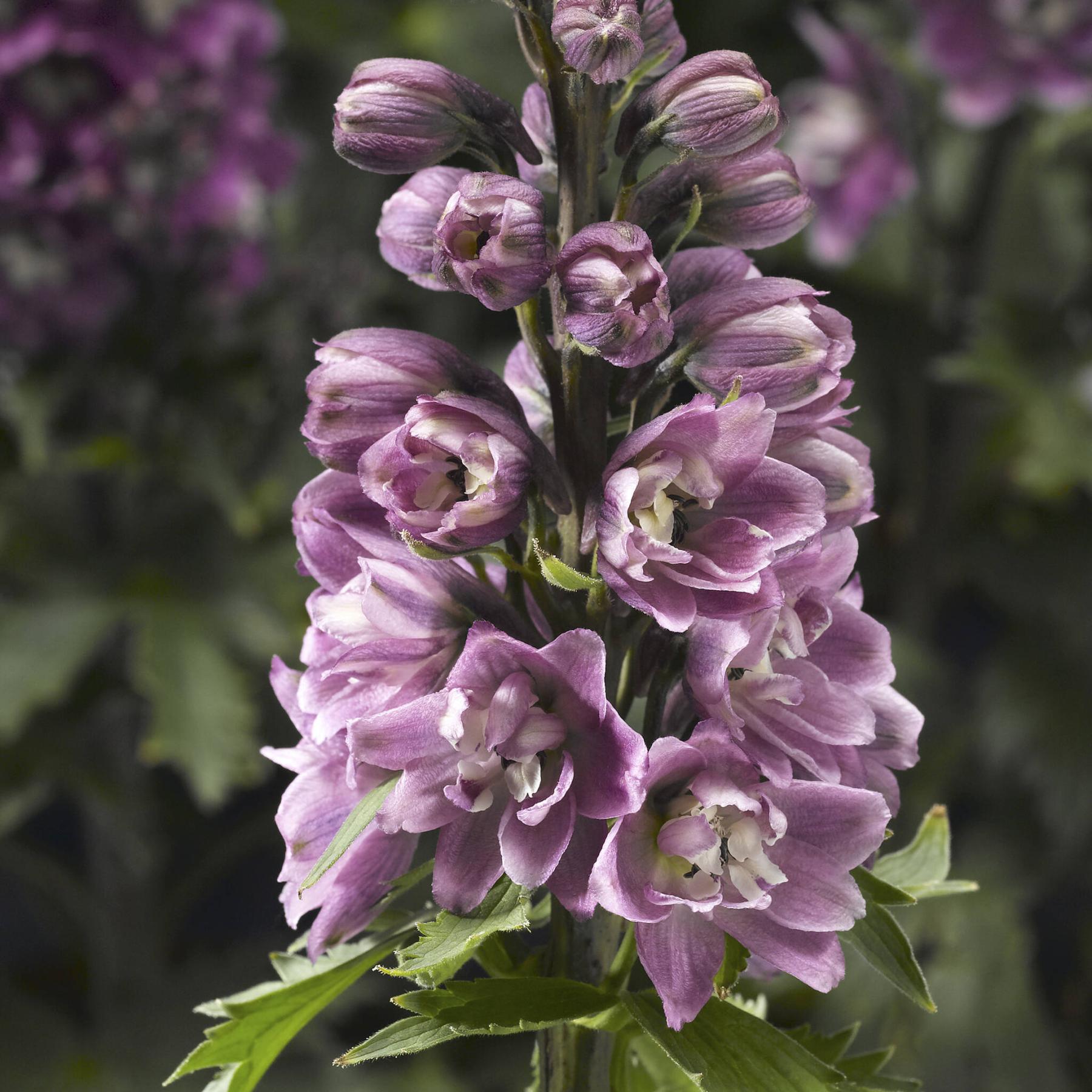
All parts of the delphinium, like this Delphina Pink White Bee, are disagreeable to most deer because of high concentrations of toxic substances.
Jan Pedersen photo
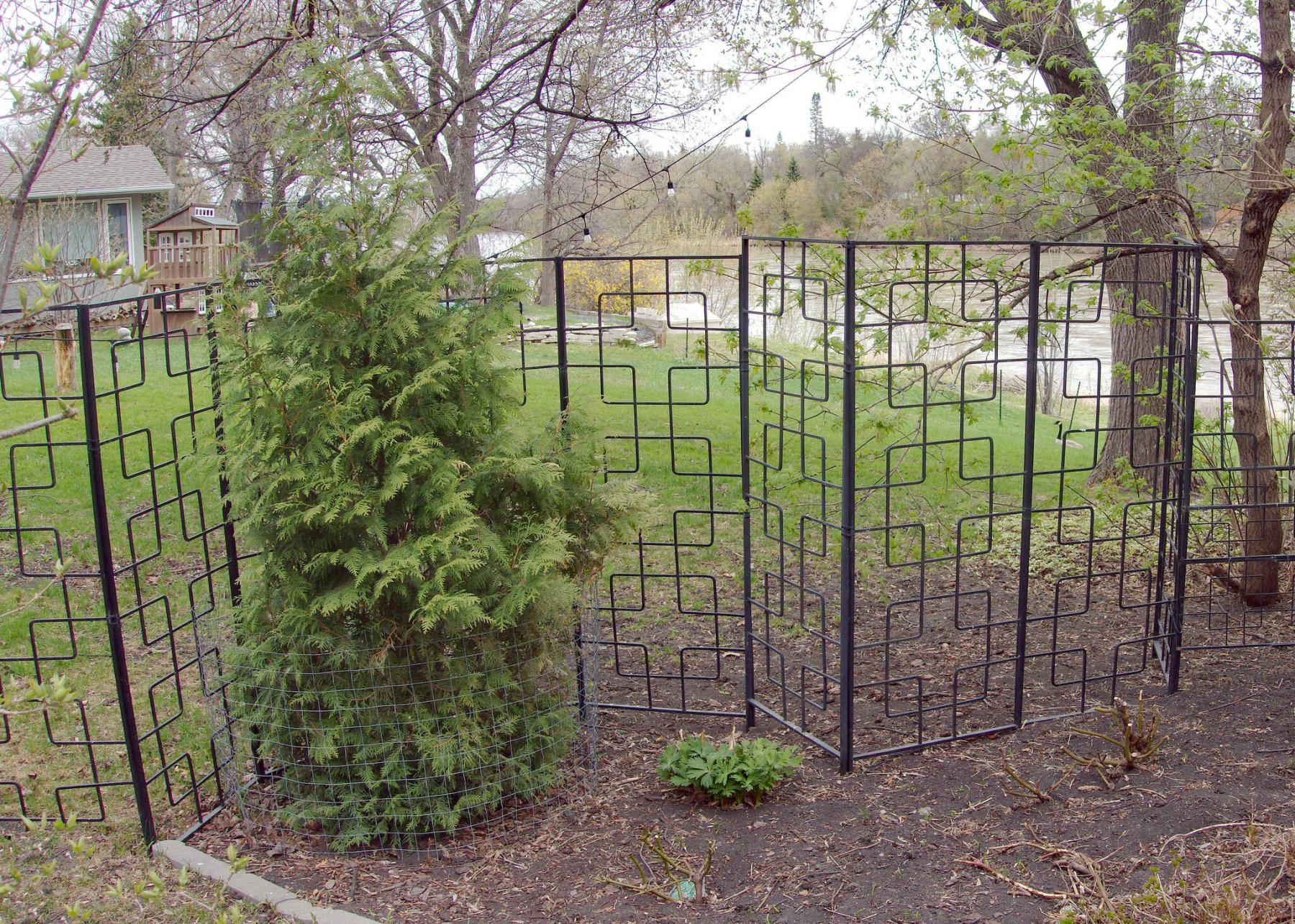
Trellis panels were an affordable option for deer fencing in this St. James backyard.
Mary Ann Shaw photo
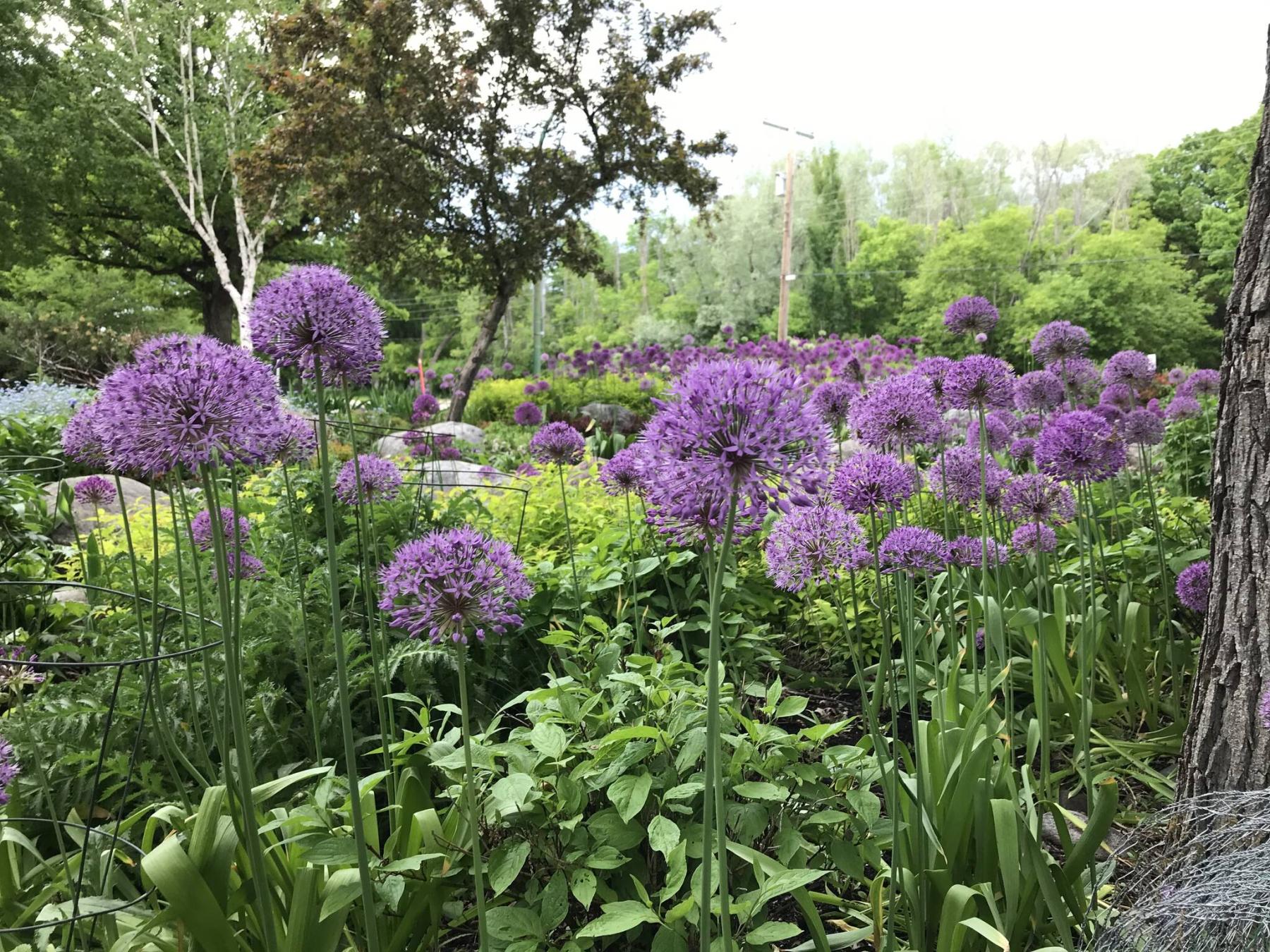
This front yard garden, which includes so-called deer resistant plants, is still visited by deer.
Mary Ann Shaw photo
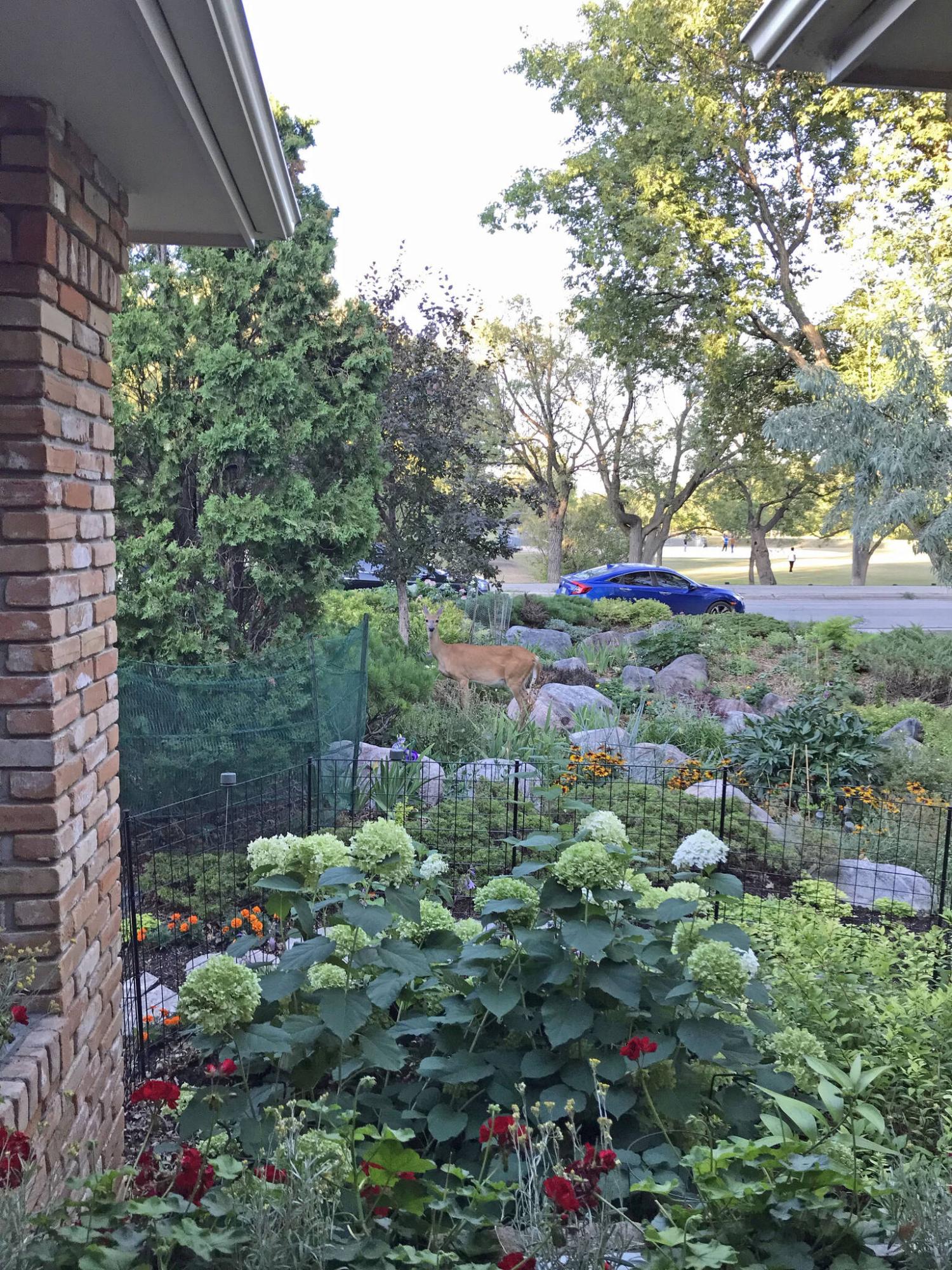
A deer surveys the buffet of plants in Mary Ann Shaw’s front yard garden.
What does “deer-resistant” really mean?
With a growing deer population in Fort Richmond, resident Mary Ann Shaw is becoming increasingly aware that there is a distinct gap between assurances that a plant is deer-resistant and reality.
If there is one thing deer will tell you, deer-resistant does not mean deer-proof.
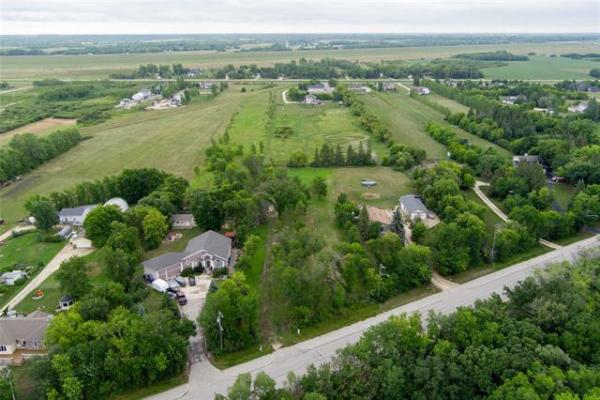
Shaw’s property is across the street from the 37.4-hectare Kings Park.
“There was no significant issue with deer until about 2021,” says Shaw, who surmises that the animals have been forced out of areas where they used to live — such as the former Southwood Golf course, which is under development — and into residential areas because urban development is encroaching on their natural habitat.
“Deer are jumping backyard fences and eating vegetation in backyards as well as front yards,” says Shaw.
She has a stunning front yard which I featured in my column several years ago. Featuring a dry stream bed, boulders, pathways and numerous plants, it was designed in 2003 by Swiss Alpine Landscaping Ltd. Over the years, Shaw has added perennials and shrubs. But as the deer population expanded in Kings Park, they began frequenting Shaw’s garden at dawn and dusk to feed on perennials such as hosta, phlox and lilies, as well as hydrangea shrubs. These have now all been removed from her garden.
Since then, Shaw has carefully researched and planted hardy perennials that are typically considered deer- resistant, such as Baptisia australis blue false indigo, Chelone pink turtlehead, Dicentra spectabilis bleeding heart, Leucanthemum Shasta daisy, Monarda bee balm, Pulmonaria lungwort, Rudbeckia black-eyed Susan, Coreopsis tickseed and lamium.
All these plants share traits which deer generally dislike — strong scents, hairy or fuzzy textures, or high concentrations of naturally occurring toxic compounds.
Deer have routinely defied Shaw’s strategy and devoured these perennials, too. They also seem to enjoy widely considered deer-resistant shrubs that Shaw has planted, including hardy hibiscus (coarse, rough-textured foliage), Physocarpus ninebark (the leaves contain bitter tasting glycosides), Rhus sumac (fuzzy stems, spicy foliage), Mugo pine (spiky needles, strong scent) and dwarf Viburnum cranberry bush (coarse, textured leaves).
Last year, deer boldly walked up the steps to Shaw’s front door and ate the Rex begonias in her container gardens, leaving just the root ball. Plants the deer have allowed to survive in Shaw’s front yard include peonies, poppies, catmint, Russian sage, speedwell, allium and lamb’s ear.
Shaw has tried several deterrents with minimal success — animal repellents such as Bobbex and Deer Off, as well as Irish Spring soap.
“Deer are going after all vegetation, presumably because they have no choice — they are hungry,” says Shaw. “It is very discouraging for gardeners who are buying annuals, perennials and shrubs only to see the damage that is occurring. My garden may be virtually decimated this year with the number of deer coming through at dusk and dawn. I am hesitant about even buying any plants for my front yard. It is becoming very expensive only to have them eaten by deer.”
Shaw is also concerned about the risk that urban deer pose to human safety and property. In Winnipeg, according to Manitoba Public Insurance, hundreds of collisions between vehicles and deer occur annually.
Shaw is exploring the option of a deer fence for her front yard, but there are hoops she must first jump through. After contacting Winnipeg Deputy Mayor Markus Chambers, she was advised that front yard fencing is subject to zoning and esthetic bylaws intended to preserve sightlines, neighbourhood character and safety.
In Winnipeg, a front yard fence cannot be more than 1.2 metres tall. Because deer fences must be 2.286 metres tall to prevent the animals from jumping over, you have to apply for a variance and submit a drawing of the proposed design.
On May 6, Shaw had a telephone meeting with a zoning development officer who advised her that there is a nonrefundable fee of approximately $500 for a Variance B to erect a mesh deer fence.
Shaw was also advised that she would need to provide a letter of intent, support letters from her neighbours, a site plan, status of title for her property, and an elevation drawing specifying height and materials.
While she understands that fence height regulations are important to ensure people do not build fences that clash with the overall look and feel of a neighbourhood or that would prevent emergency services from having easy access to a residence, she is dismayed by the onerous application process.
Jan Pedersen also lives in a neighbourhood with a large deer population. His St. James garden contains numerous plants in both the front yard and backyard, which is adjacent to the river. He protects the plants in front as best he can by enclosing them in rings of stucco wire.
To prevent deer from accessing his backyard, while maintaining sightlines to neighbouring properties, Pedersen purchased black metal trellis panels with an open design. Each panel is 1.67 metres high, secured into the ground and supported by rebar. The approximate cost for 45 panels purchased in 2018 was $1,800, far less than the cost of installing a fence.
“A deer has never jumped over the panels,” says Pedersen.
Pedersen’s creative solution wouldn’t help Shaw, however, who wants to protect her front garden. She has placed barriers around some of the plants, but there are too many in her front yard to enclose them all.
Deer are sensory-driven creatures. To prevent deer from decimating her spirea shrubs, Shaw interplants oregano, a herb which contains essential oils such as carvacrol and thymol that have a pungent, spicy taste. As well, the leaves have a fuzzy texture. It has been somewhat effective.
“The deer don’t strip the spirea shrubs completely down to the ground,” says Shaw.
As a garden writer, I’m in the habit of making plant recommendations. Under normal circumstances, I would suggest planting delphinium to deter deer. All parts of delphinium contain high concentrations of alkaloids that deer are highly sensitive to and typically avoid.
I would also recommend heartleaf brunnera, a hardy shade perennial with tough, hairy leaves, or La Diva Spirit White, an exciting new lavender with Zone 3 hardiness and heady fragrance.
A hungry herd of deer, though, will eat whatever is available.
What I don’t recommend is giving food to deer, including providing salt licks.
Feeding deer vegetables and other types of food can cause them to have a host of health problems.
Winnipeg’s Responsible Pet Ownership Bylaw prohibits feeding wildlife, with the exception of birds.
colleenizacharias@gmail.com