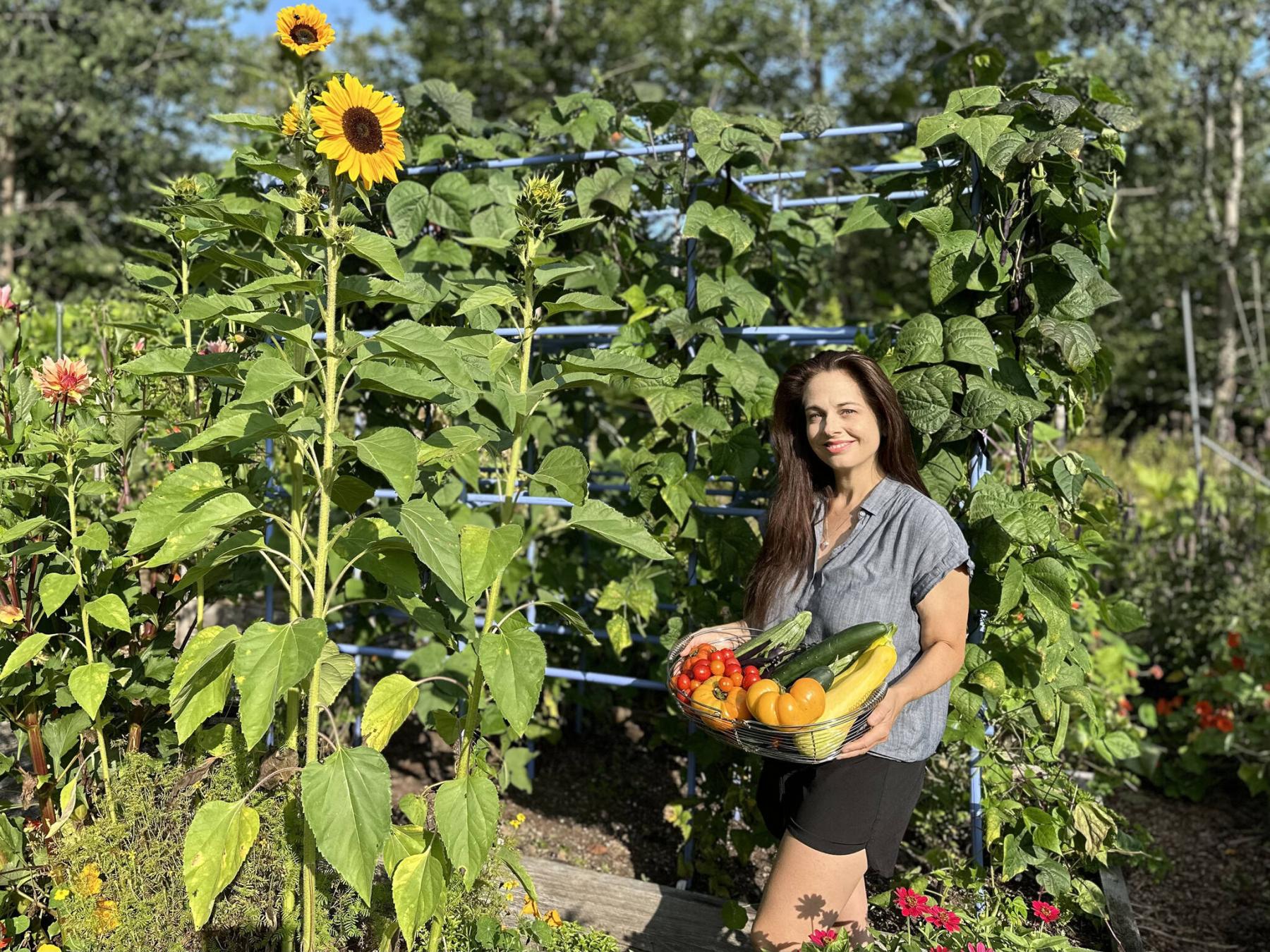
Niki Jabbour
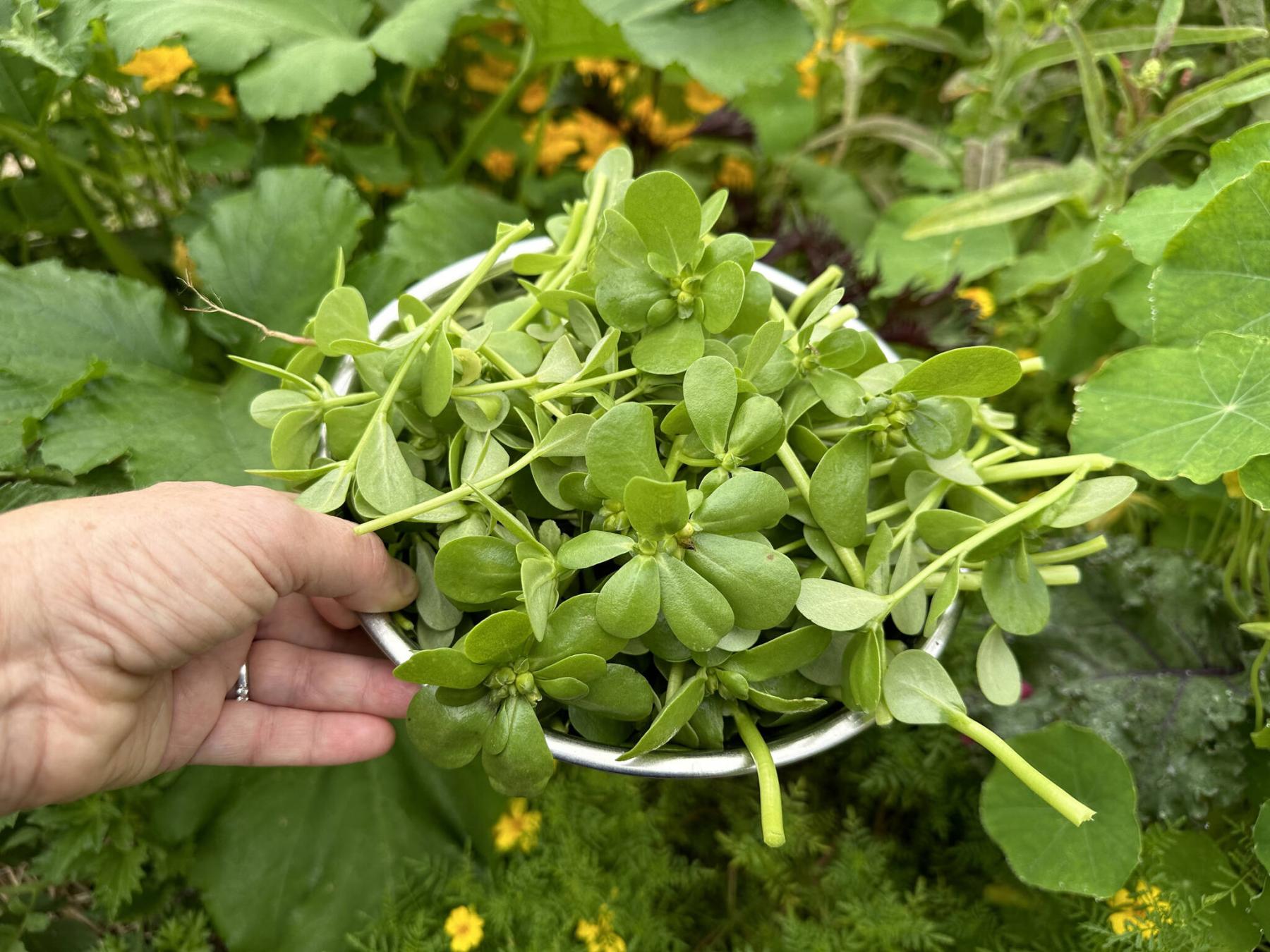
Purslane is an ancient, nutritious plant that thrives in heat. Grow cultivated purslane as a salad green with delicious lemony taste.
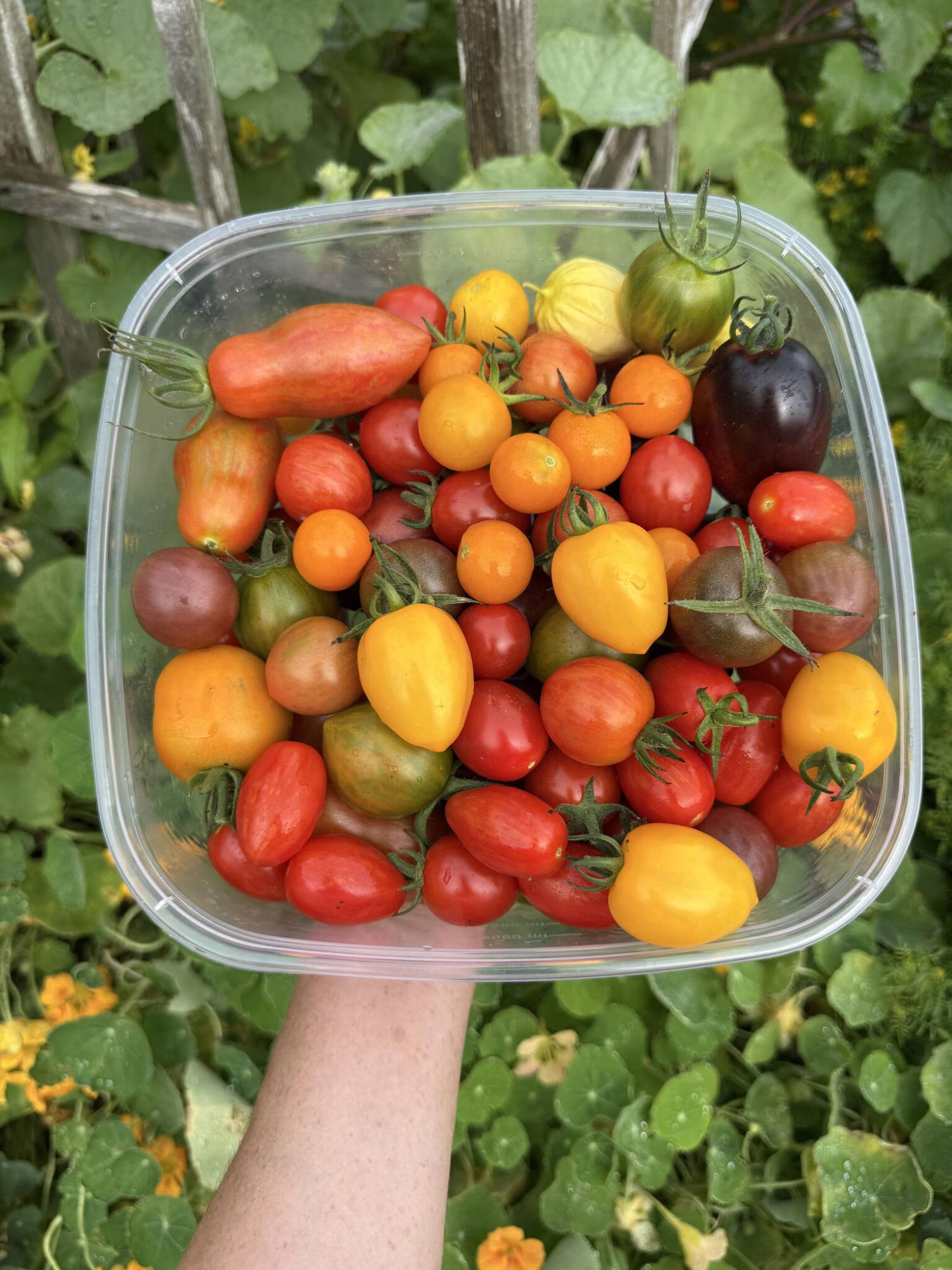
Cherry tomatoes are more heat-tolerant than large-fruited tomatoes.
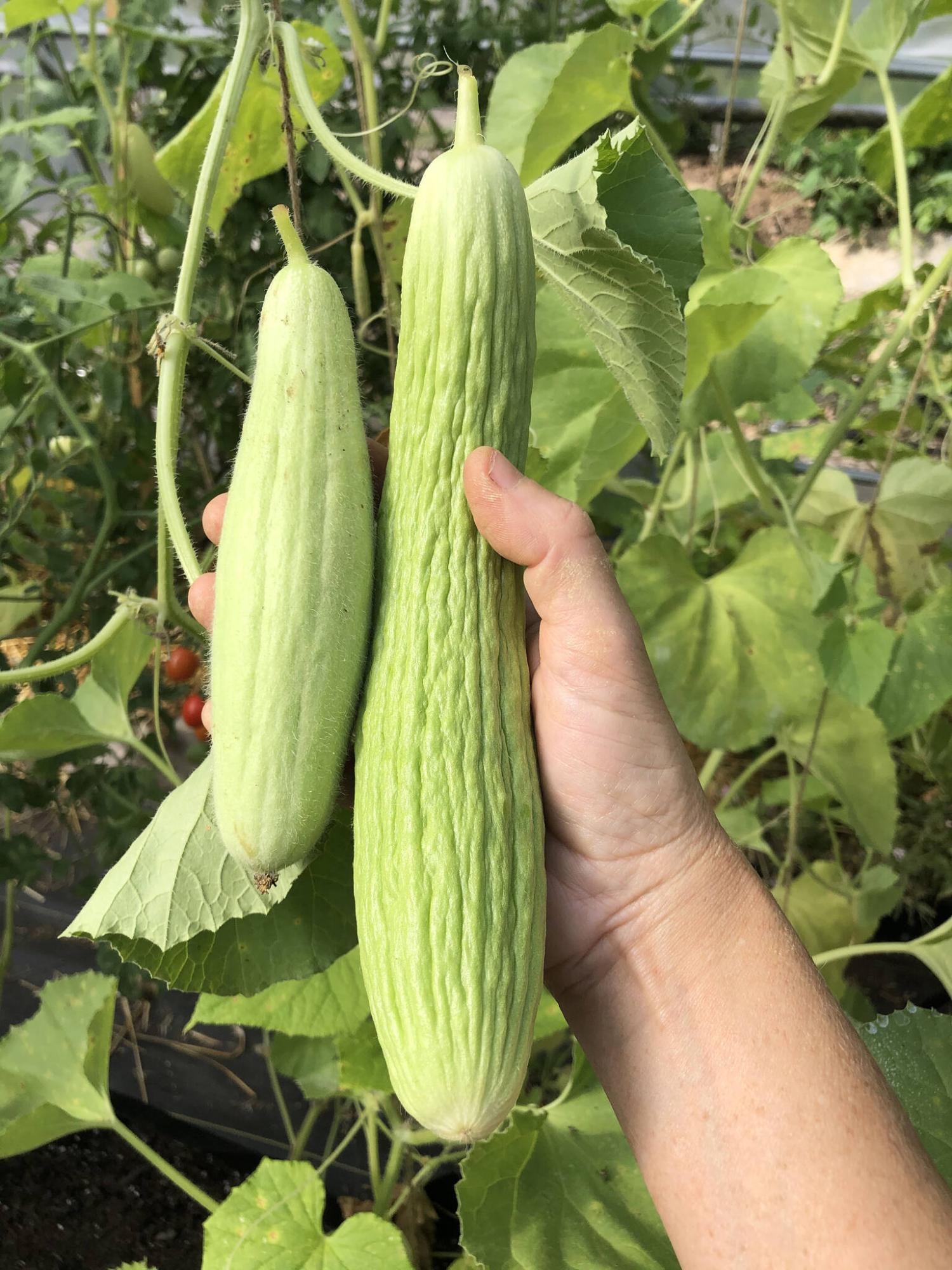
Try growing Armenian cucumbers this year; they taste great and are prolific producers.
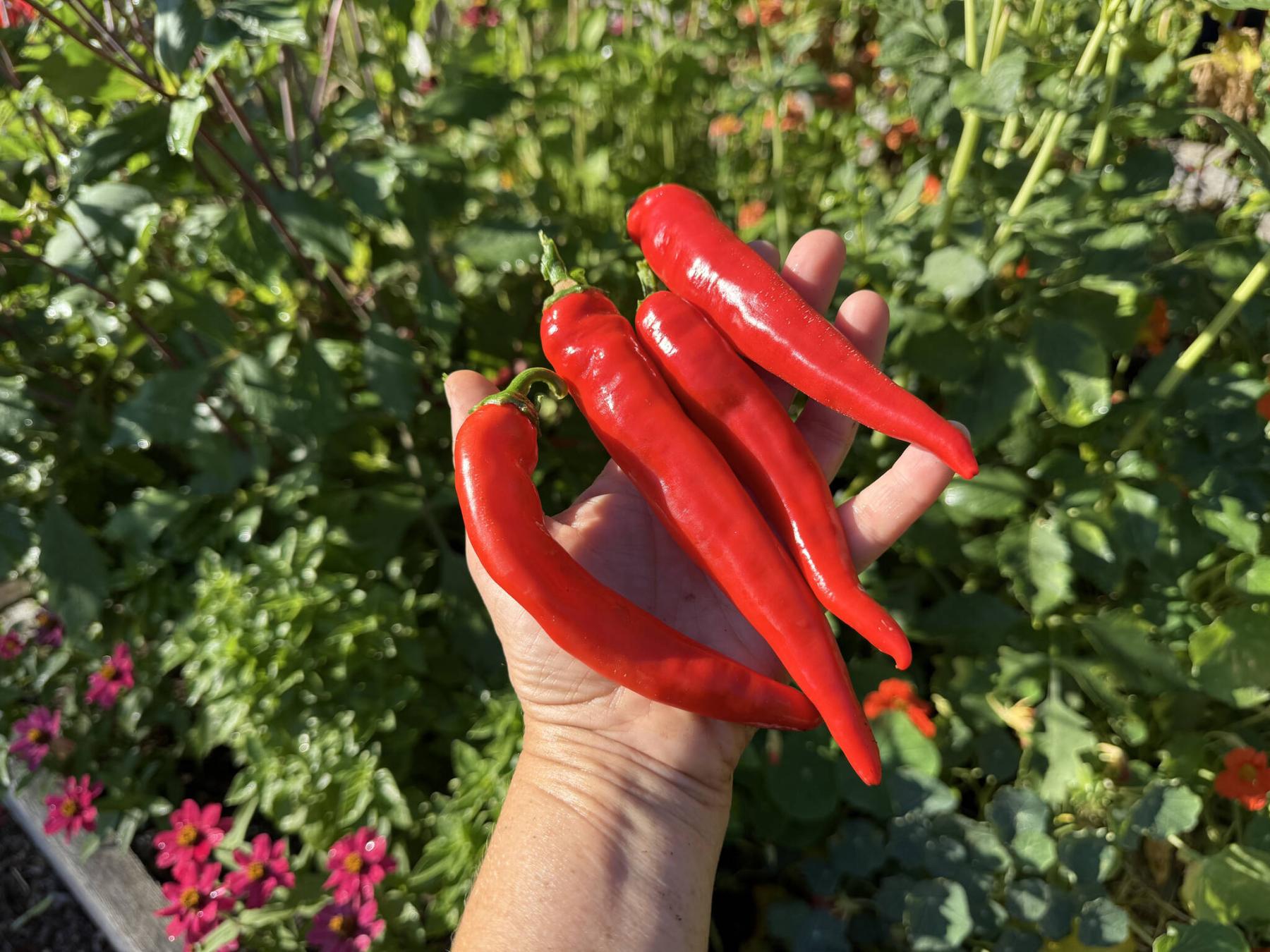
Red Ember Cayenne pepper has a distinct bite and is well-suited to hot temperatures.
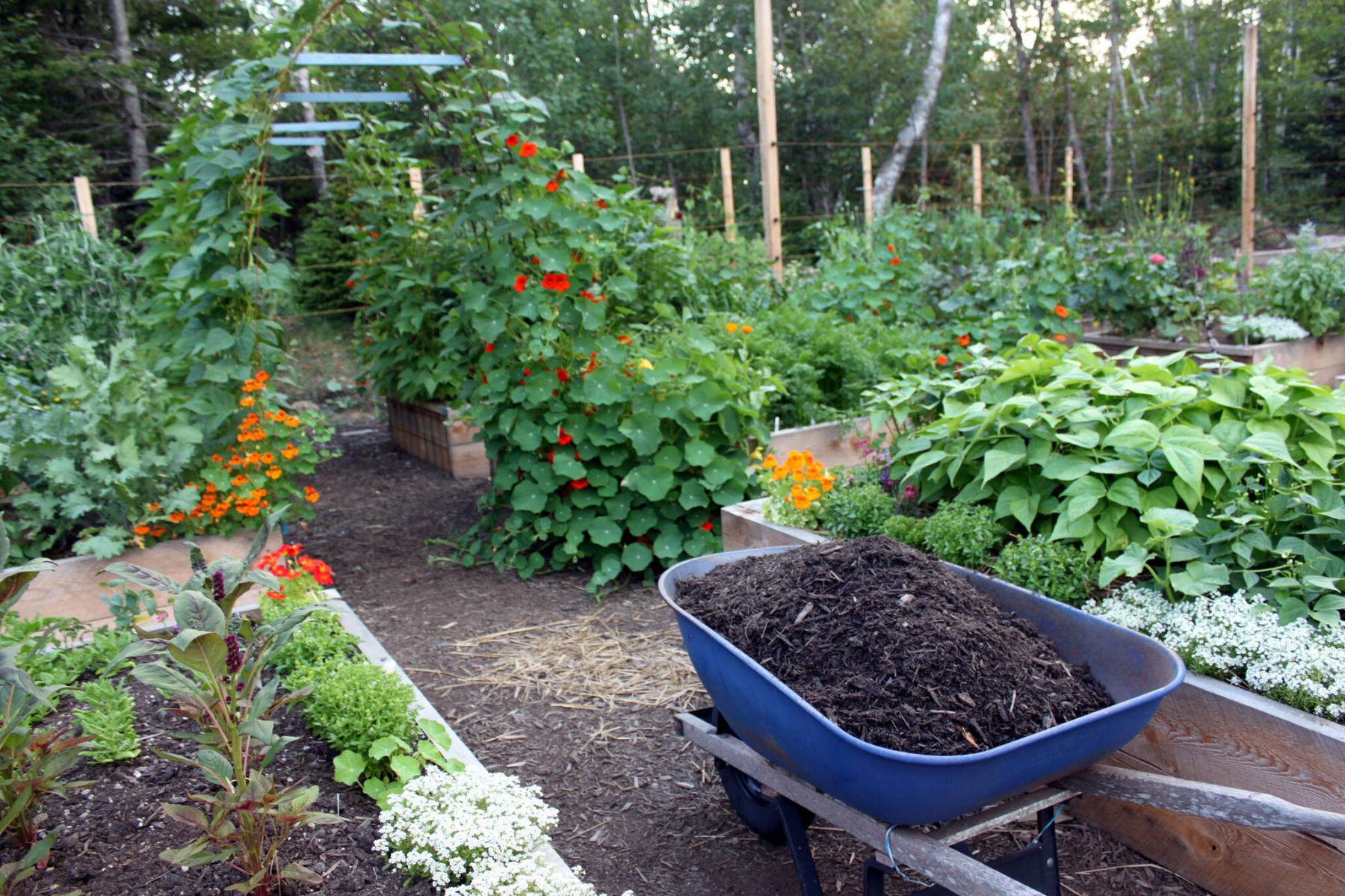
Plan to grow drought- and heat-tolerant veggies this year. Consider key strategies like mulch and shade cloth.
In more ways than one, Niki Jabbour won’t forget last year’s gardening season.
The author of four bestselling books on vegetable gardening, Jabbour lives and gardens in Halifax, N.S. In 2025, the province experienced a “one-in-50-year” drought. According to the Canadian Drought Monitor (Agriculture and Agri-Food Canada), Halifax recorded its third-driest three-month period (July, August and September) on record.
The year 2025 was one of significant and widespread drought across Canada. Environment Canada ranked drought as the No. 2 weather story of the year, second only to the country’s record-breaking wildfire season. At one point last year, Jabbour also had to evacuate from her home for a week as wildfires threatened parts of Halifax.
Earlier this year, Environment and Climate Change Canada released its annual global temperature forecast, predicting 2026 will likely be among the four hottest years on record.
“We need to be thinking about drought strategies when we buy seeds and start planning our gardens,” said Jabbour last week. “Planning ahead lets us choose varieties or types of vegetables that are going to be more resilient to drought as well as heat for the coming season. I’m keeping that in mind now as I’m ordering seeds because I want to conserve water and make less work for myself in the garden.”
Traditional heat-loving crops such as beans, tomatoes, peppers, eggplant and okra perform well in summer, said Jabbour. “But I’m also asking, what can I grow that is going to be more resilient in hot, dry conditions?”
Jabbour is casting her net wider for veggie varieties from around the world that have inherent tolerance and resilience to heart. “One of my family’s favourite salad greens in summer is cultivated purslane,” Jabbour said. “It thrives in hot, dry conditions.”
Many of us might know purslane as a common garden weed; however, it has been grown for more than 4,000 years in places like North Africa, the Middle East and India as a food and medicinal plant. Golden Purslane, a cultivated variety, is taller than common purslane and has larger leaves. It can be trimmed back two or three times and has a mild lemony taste.
New Zealand spinach is another resilient leafy green. “When other leafy greens like lettuce and spinach have succumbed to the heat of summer, New Zealand spinach thrives and is drought-tolerant,” said Jabbour. In her book, Niki Jabbour’s Veggie Garden Remix (Storey Publishing, 2018), she writes that the famed botanist and explorer Capt. James Cook and his crew dined during their long sea voyages on New Zealand spinach, which is high in vitamins A and C.
Malabar spinach, native to tropical Asia, is another leafy green that is very heat-tolerant. “It’s a climbing vine which has delicious, heart-shaped leaves,” said Jabbour. “It’s quite a beautiful plant with purple stems.”
Jabbour is also experimenting with several varieties of peppers that continue to produce in hot temperatures such as Pot-a-Peno jalapeño, Cornito Mix sweet pepper and Red Ember Cayenne pepper.
“Cherry tomatoes thrive better in hot, dry conditions than large-fruited tomatoes,” said Jabbour. “I find that large-fruited tomatoes (often called beefsteak types) drop their blossoms more frequently when temperatures are high, whereas cherry tomatoes can handle more heat. I grow cherry tomato varieties such as Sungold and Rapunzel, as well as Black Cherry, an heirloom variety.”
If disease pressures are a concern, Jabbour recommends Jasper cherry tomato, an outstanding 2013 All-America Selection award winner that resists late blight.
Cherry tomatoes also freeze better than large-fruited tomatoes, said Jabbour.
“Sweet potatoes are very heat-tolerant,” Jabbour said. “Rooted slips can be transplanted in the garden in mid- to late May. Not only do you get the yummy tubers, but the leaves are edible. You can harvest the leaves throughout the summer and use them fresh in salads or in cooked dishes.”
One of Jabbour’s favourite vegetables, Armenian cucumber, is not a true cucumber. “Botanically it is a muskmelon. It has a mild cucumber-like flavour. When traditional varieties develop a bitter taste with the heat, Armenian cucumber stays mild and crisp all summer long. The hotter it is, the more it just keeps on pumping out fruit.”
Jabbour plants cucumbers in late spring, when all risk of frost has passed, and then sows a second crop a month later. “Then I have cucumbers well into late summer and fall.”
Sheltering crops
Over the years, Jabbour has utilized several different methods for sheltering crops from cold or heat which are described in her book, Growing Under Cover (Storey Publishing, 2020).
“Growing up as a vegetable gardener in Nova Scotia, my goal was always to try to find out how I could add more heat to protect plants from sudden drops in temperature,” she said. “But now, it’s more, how can I protect plants from heat? Crops like peas, beans, peppers and tomatoes will drop their flowers if the temperature gets too hot. Each of these varieties has their own threshold. So I’m actually using shade cloth now in the heat of summer to protect these plants from excessive sun, so they don’t drop their flowers, because that severely impacts production.”
For the past 20 years, Jabbour has grown her vegetable garden in raised beds. “If it’s a protected area, I use 12-gauge wire hoops, which I clip in place with a binder clip and float the shade cloth on top,” she said. “If it’s a windy area, I make a sturdier tunnel using half-inch PVC conduit. It bends easily over the top of raised beds. I buy snap clamps that clip to the conduit and hold the covers on tightly.”
Jabbour plans to move to a new property next year. She will continue to grow her food crops in raised beds but is opting for a more efficient low-profile design.
“Since I built my current garden, wood has tripled in price. But also, the higher your raised beds are, the deeper they are and the better they drain,” she said. “That was great when we had soggy springs and lots of rain in summer but now that our temperatures are hotter and we get less precipitation, I want lower raised beds which will not drain as quickly so I can retain more soil moisture. I have to keep in mind as I’m planning my garden that we might not have traditional weather anymore.”
There are some veggies, like celery, that Jabbour is not growing as much. “I still plant a couple, but celery is a water-guzzler. It needs to be watered deeply two or three times a week.”
Using mulch helps to reduce watering. Jabbour applies an organic mulch like straw, grass clippings, shredded leaves or compost to food crops such as celery, as well as heat-loving plants such as cantaloupe, watermelon, corn, okra, pumpkins, and summer and winter squash varieties.
She is also tweaking her planting schedules for salad greens that are prone to bolting in hot weather. “As temperatures get hotter earlier in the season now, I’m planting cool-season greens like arugula and spinach sooner so my family can enjoy them before the heat comes.”
colleenizacharias@gmail.com