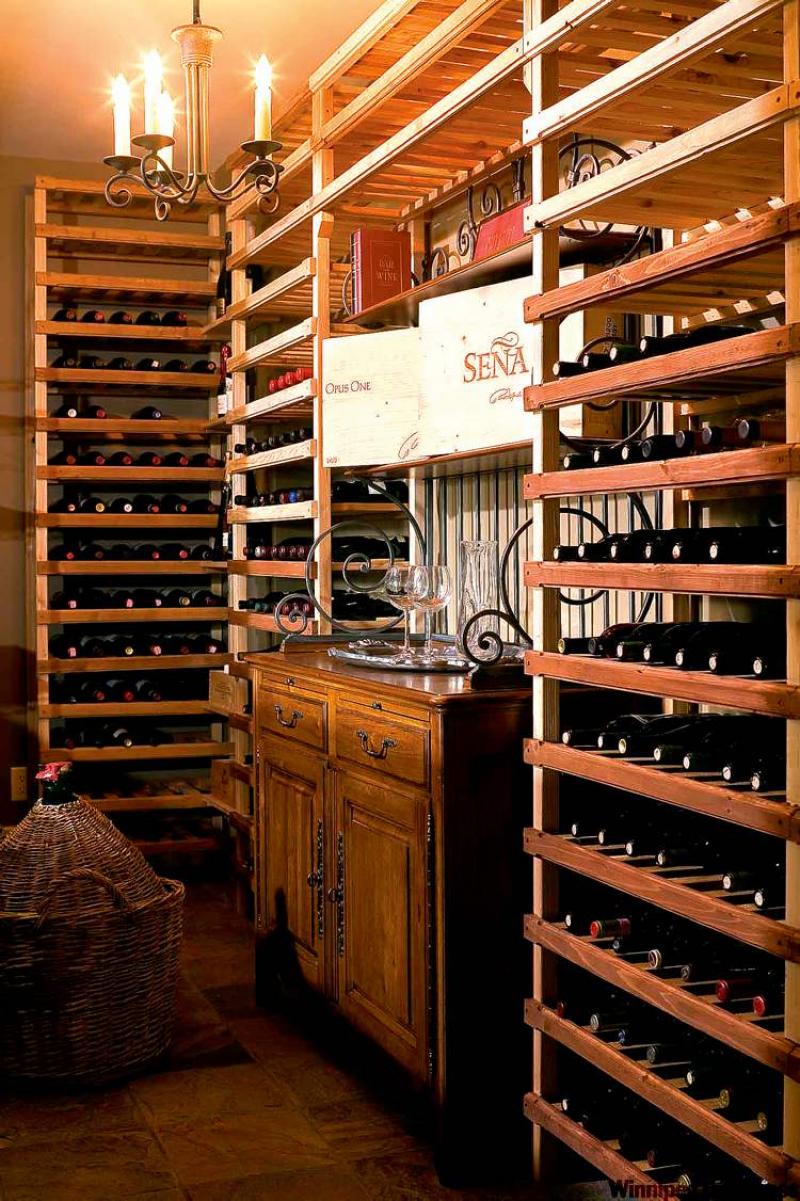
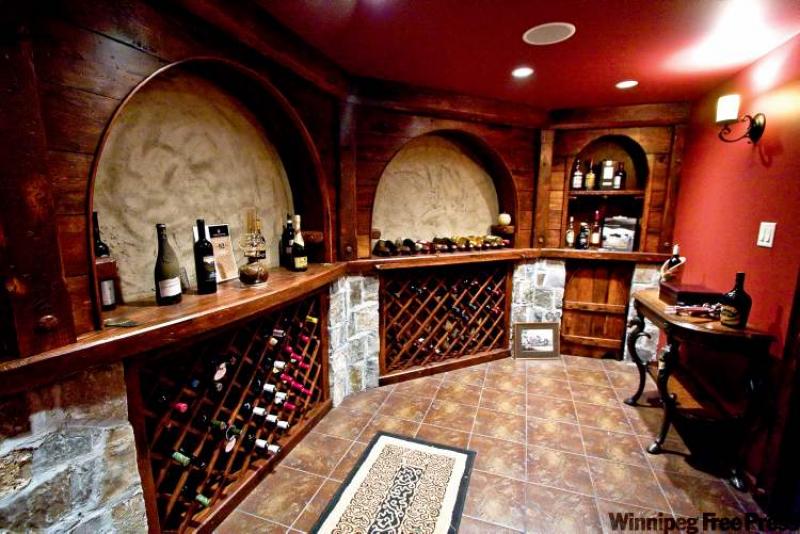
Wine enthusiasts can now collect, store and show off their star vintages thanks to a new trend that's seeing homeowners opening their doors to wine cellars.
In fact, many are popping the cork on their budgets, spending as much as $60,000 on a small room that houses hundreds -- and thousands -- of their prized possessions.
"The wine-cellar construction boom has continued to grow, especially in Canada," says Peter Durst, sales and design consultant of Toronto-based Rosehill Wine Cellars Inc.
"The idea of a wine cellar appeals to many people and has many benefits. A wine cellar is a way to make your resale stand out if you are a builder, a way to reward yourself and satisfy your passion if you are a wine aficionado. It's an encouragement to entertain friends and family at home. It can be a showcase or pure personal storage."
Most wine cellars run between $6,000 and $12,000. No matter how much money you're spending on your cellar, there are certain precautions and considerations to factor in to ensure your vino keeps perfecto.
Keeping an optimum humidity level is integral to wine cellars because extreme high humidity of 70 per cent or more with no air movement can be a recipe for bacteria and mould.
It can also cause valuable wine labels to peel off, rendering expensive vintages worthless. Instead of spending thousands on a separate humidification system, most homeowners opt to invest in a climate-control system, which works to raise humidity to 60 per cent and gets rid of any humidity over 65 per cent.
Climate-control systems for cellars operate at a lower temperature and are designed to move the air a lot more. They run about 60 to 70 per cent of the time.
Insulation is another key factor. When you're building a wine cellar, you're essentially building a fridge. Therefore, the better insulation you have, the less temperature fluctuation will occur in the cellar and the better your wine will keep.
Insulation requirements are determined by the outside wall area the cellar will occupy and the depth of the cellar below grade. The best type of insulation is sprayed-in-place two-pound polyurethane. However, this is a more costly option.
The second-best option is insulation baths fitted into the stud cavities. This means the outside walls and ceiling joists, which can be difficult sometimes given the placement of plumbing pipes, ductwork, electrical wirings, etc.
And, of course, what's a cellar without storage?
"If possible, the racking design should be determined before cellar construction commences," says Durst. "The walls can then be proportioned to the exact size of your racking layout, thereby giving the racks the look of a true custom installation. This is for both walls and ceiling height.
"Racks should be chosen according to your collecting style. Depending upon your budget, design ideals and available cellar space, you can use a modular, premium, custom or vintage-view racking/ storage systems."
No matter what type of system you choose, use a non-aromatic wood such as a hardwood like mahogany or cherry. Wine bottles are permeable and the wood smell will permeate the bottle and affect the flavour of the wine.
Lastly, like every hobby, wine cellars come with their own set of toys. The must-have for any wine cellar is an inventory-control system, which allows you to keep track of the wines you have as well as their important drinking details.
There's nothing worse than keeping something for 15 years and realizing it peaked five years ago and you missed the boat,
-- Postmedia News