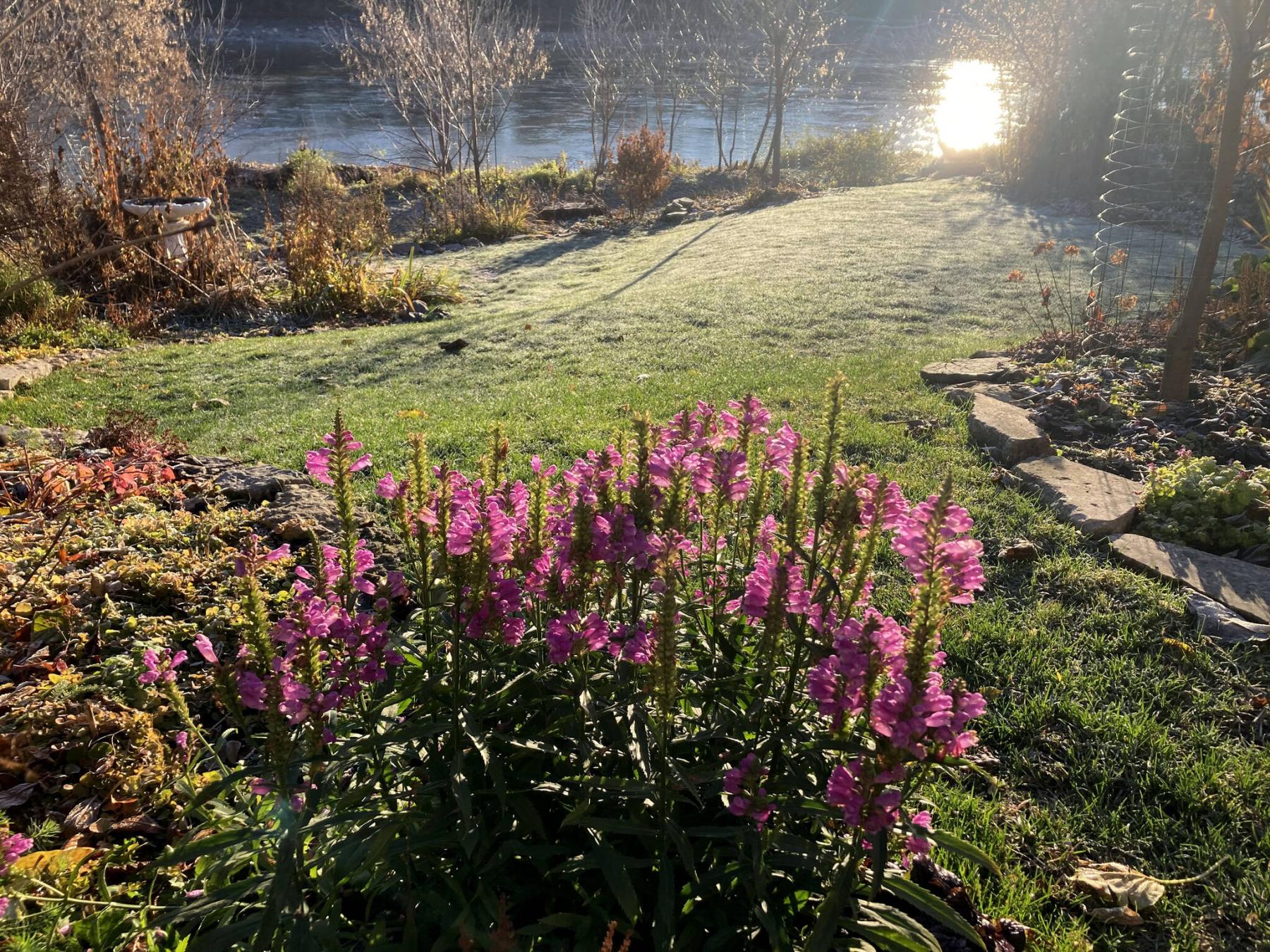
Debra Fast photo
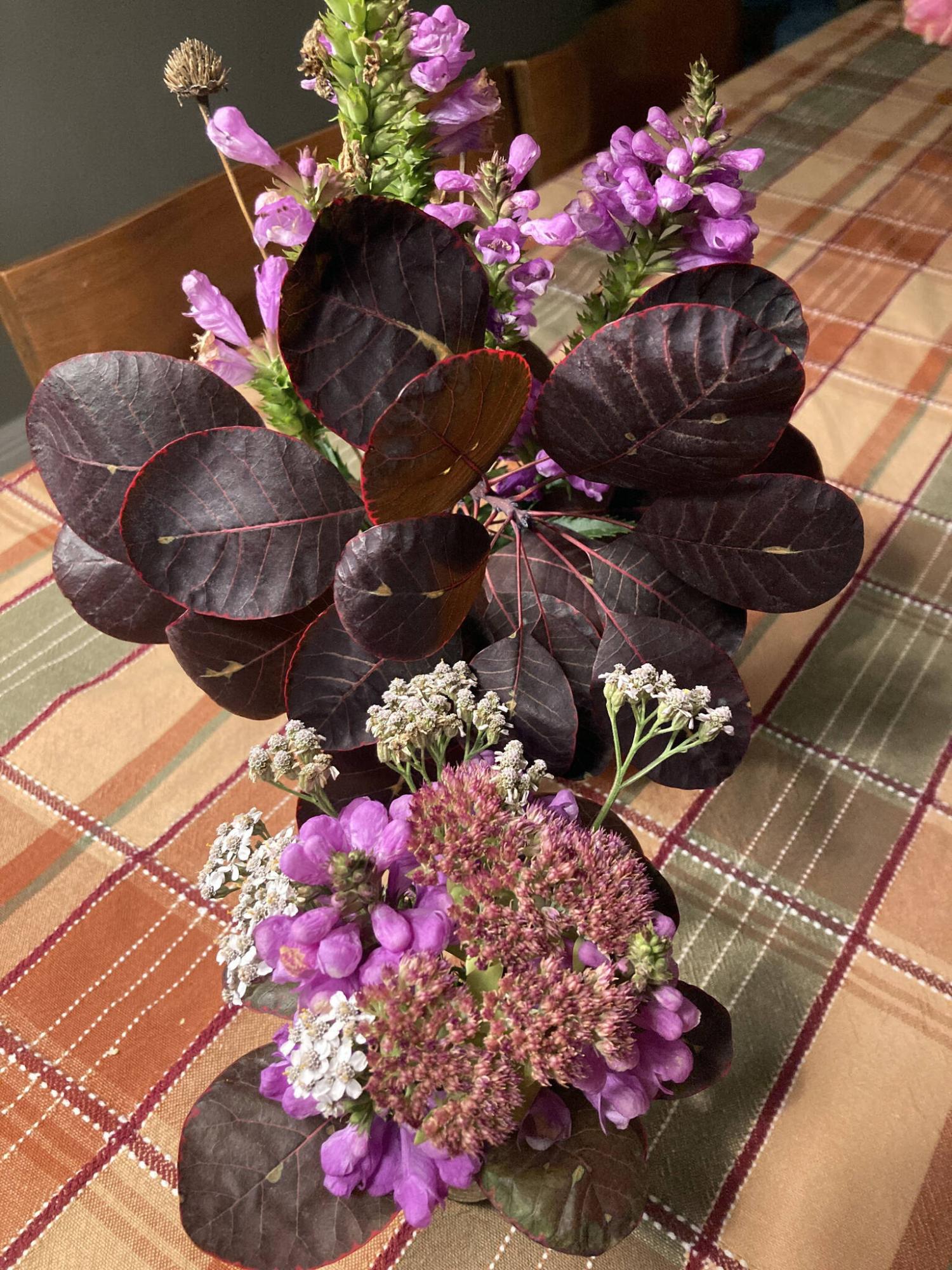
An unexpected fall bouquet of yarrow, obedient plant, sedum and smoke bush foliage picked from the garden in November!
Plant Haven International photo
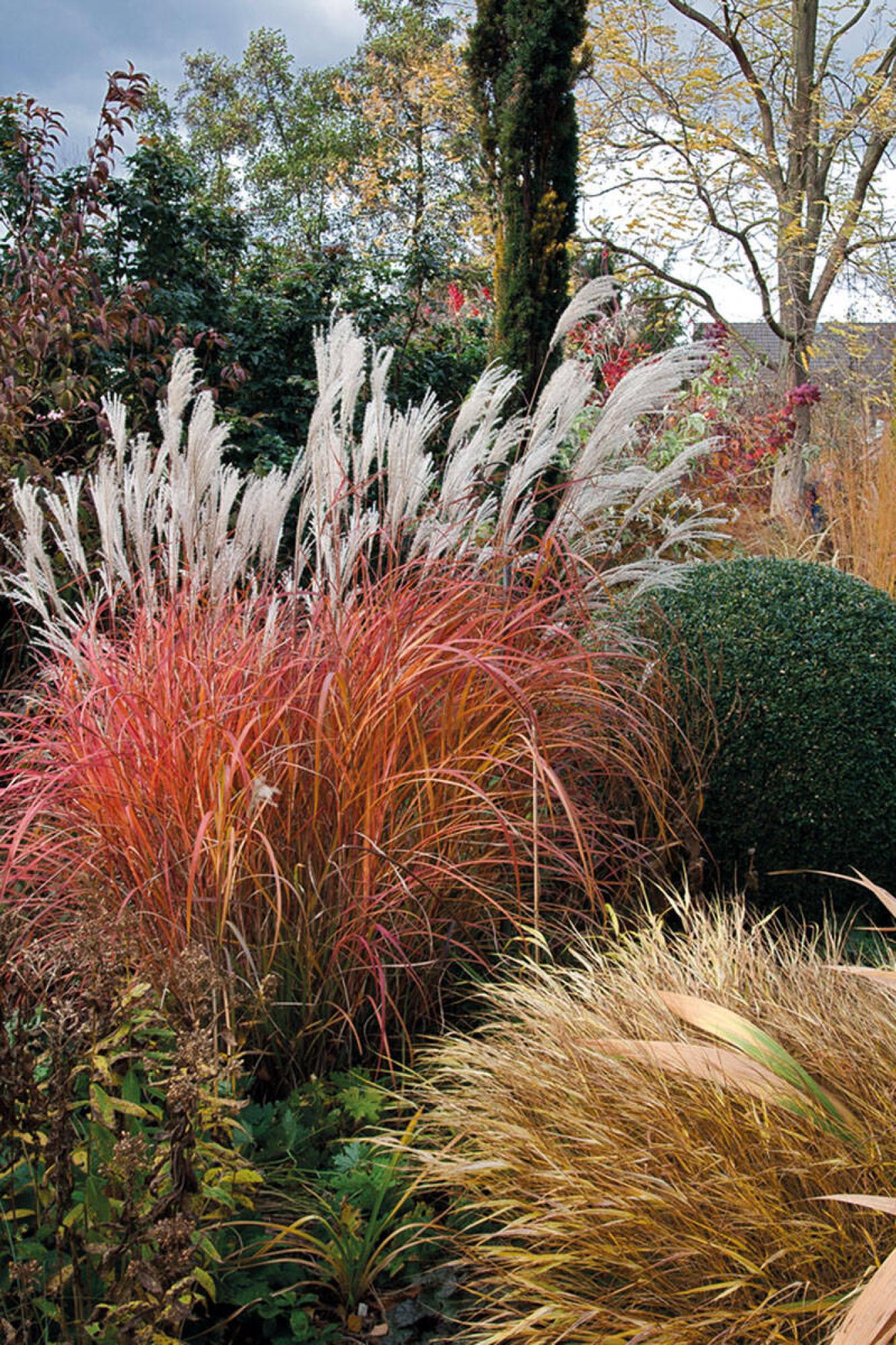
Miscanthus Fire Dragon will breathe vivid colour into your fall landscape with prominent silvery-white plumes all winter long.
Phoenix Perennials photo
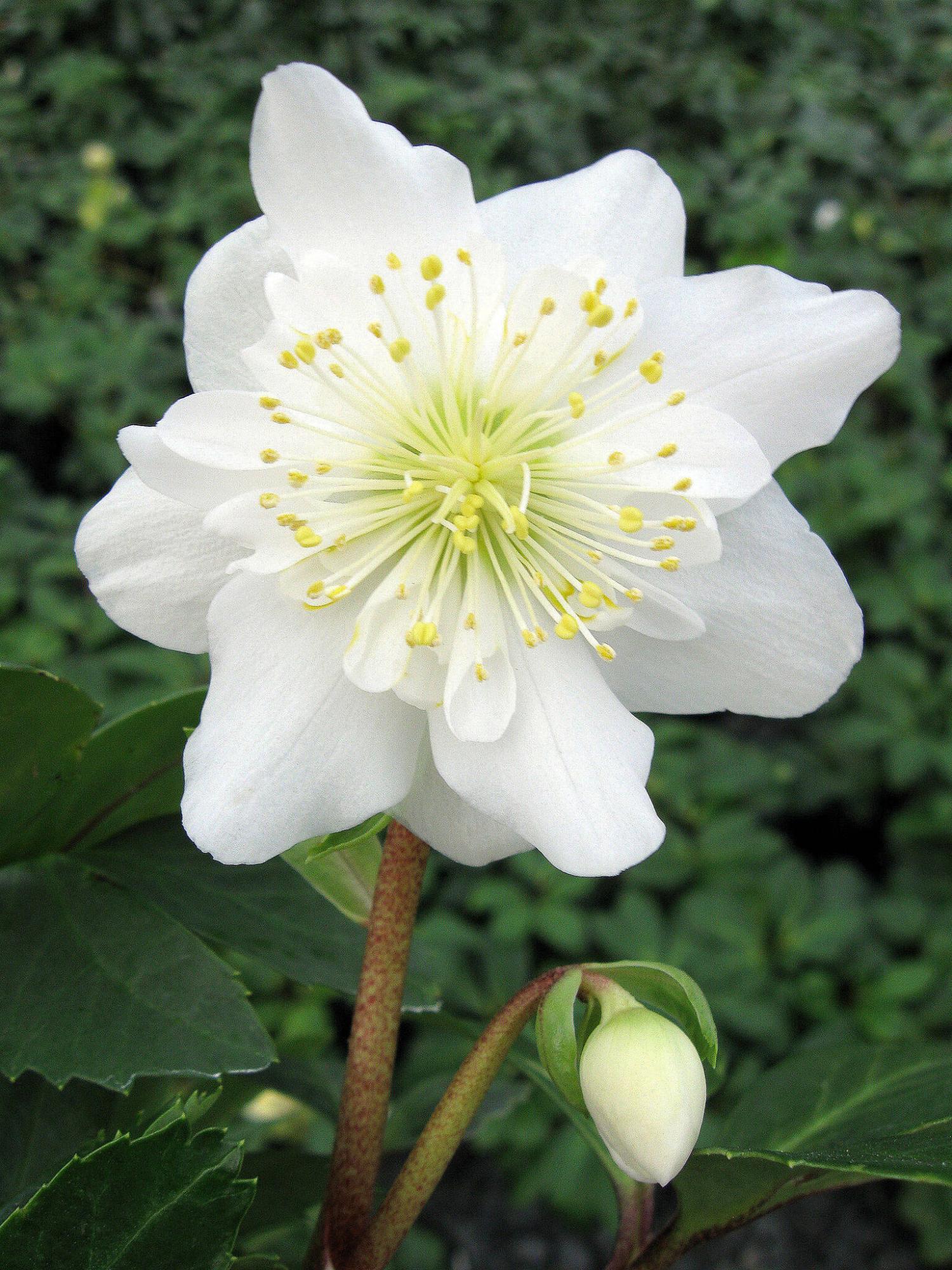
When other plants die back in fall, hellebore plants like Snow Frills holds their colour and structure.
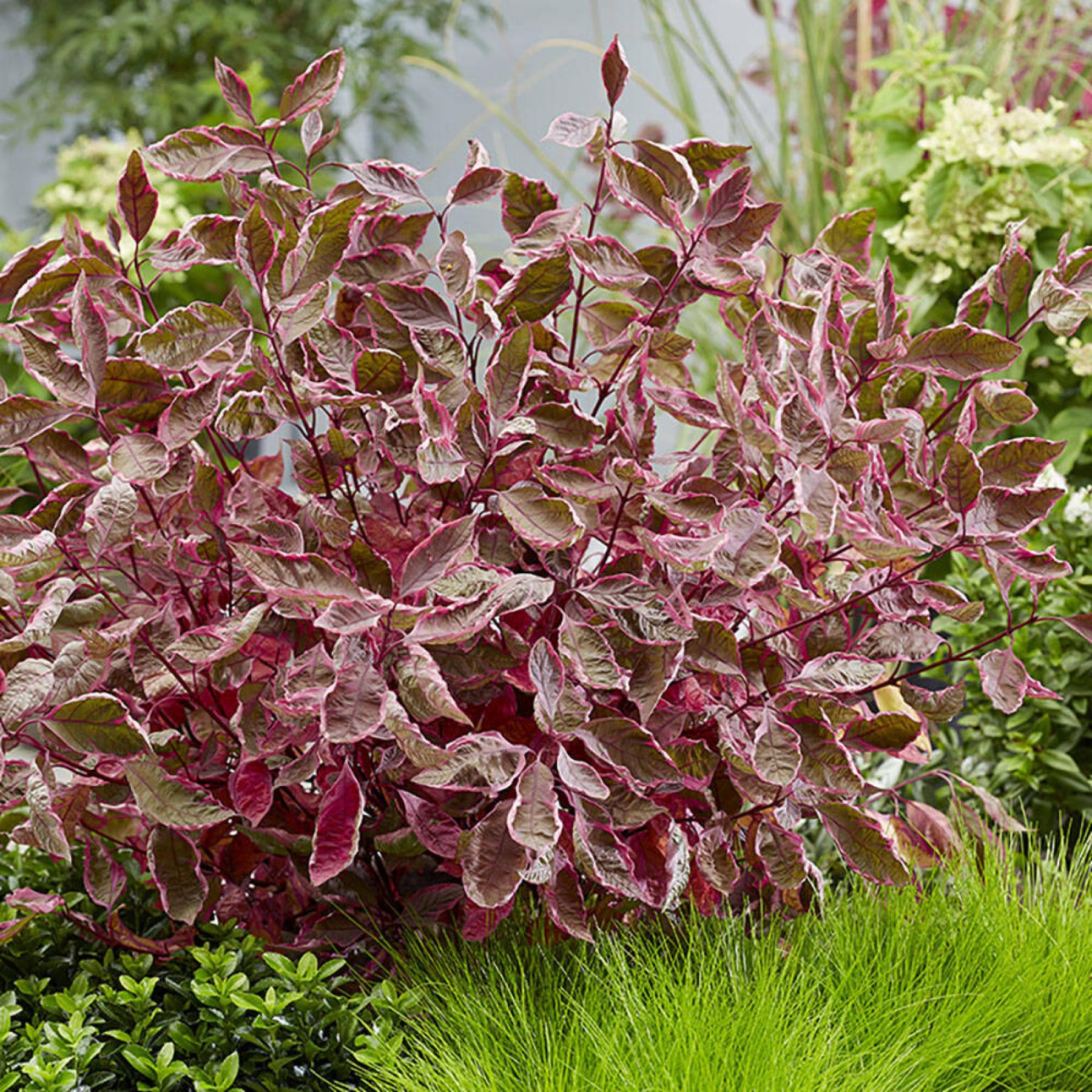
Proven Winners ColourChoice Shrubs photo
Enjoy the show with Sgt. Pepper dogwood which has burgundy and pink foliage in fall and burgundy-red stems in winter.
‘Today is warmer than usual.”
Across Winnipeg and southern Manitoba, those words have appeared on weather apps with surprising regularity throughout this warmer-than-usual fall — right up until Nov. 17. It was an exceptionally mild autumn in 2025, too, as well as in 2024. We could get used to this.
But what could an extended warm fall mean for landscapers and local gardeners?
Guy Dowhy, owner of Dowhy Design and Landscapes, saw his operating season extend well into November.
“We’ve enjoyed bonus time this year,” he said earlier this week. “This year we’re into our third extra week. It can be tricky because we know the weather can shut us down anytime.”
The chance to complete clients’ projects, though, is too good an opportunity to pass up. “It helps clear room for next year — every project gets moved up a few more days than expected,” Dowhy said.
But extending landscape projects into mid-November means planning is important. “We try not to start something we’re not going to get finished,” said Dowhy. But even as late as the third week of November, planting has continued. “Plants go in the ground dormant and wake up in their new homes without any transplant stress. This is definitely also the latest we’ve ever laid sod.”
It’s been an interesting time, too, for nurseries with live inventory that must be winterized. Mikkel Grabinski, owner of Creekside Tree Farm and Nursery in Petersfield, received numerous calls this November from customers wanting to purchase trees and shrubs. I caught Grabinski earlier this week just as he was heading out to plant half a dozen large spruce trees for a client.
“On Nov. 13, we planted 60 fruit bushes and 20 trees for a customer who is starting an orchard,” said Grabinski. “Normally, all the containerized trees at the nursery are tipped on their sides and covered with tarps around the end of October. It’s now two or three years where we’ve covered our trees around Halloween but ended up planting until Nov. 10-12. Next year, I think we’ll aim for Nov. 15 as our end date for the season,” he said.
Blooming surprises
Gardeners have been buzzing with excitement about plants in their gardens that have bloomed much longer than normal. In Debra Fast’s St. James garden, obedient plant (Physostegia virginiana) typically waits until September before it starts blooming. But this year, even after a mild frost, Fast’s obedient plant continued to flower prolifically. “It just doesn’t quit!” Fast said on Nov. 8.
That same day, she made two bouquets from her garden with plants that were still holding their colour and structure — yarrow, smoke bush, obedient plant, sedum and the dried seed heads of Cosmos.
Leila Oswald Wegert, a Selkirk-area resident, has marvelled at the long-lasting beauty this fall of an unusual perennial vine, Ampelopsis glandulosa, commonly known as Amur peppervine or porcelain vine. The vine was planted several years ago in the garden at Red Feather Farm Memorial Park. Oswald Wegert is a member of the Selkirk and District Horticultural Society which maintains the garden. “The vine has been spectacular this year — so full of multicoloured berries and really vigorous,” she said.
In Sandra Venton’s Winnipeg garden, two roses, Lambert Closse and Quadra, both part of the Canadian Explorer rose series, were still blooming in early November.
Of course, the blooms of Azure Monkshood (Aconitum carmichaelii), a late-season bloomer if ever there was one, will quite likely continue flowering in her garden for another couple of weeks.
In my garden, Rudbeckia Goldsturm and Tiny Tortuga turtlehead, both late-season perennials, extended their flowers into early November.
With the persistent snow-free conditions, I’ve taken time to observe which foliage perennials hold their colour and structure. The spotted leaves of Pulmonaria lungwort and the thick leaves of Brunnera and Bergenia provide a pop of dark-green colour in the garden. Heuchera coral bells, such as Northern Exposure Purple with its deep-purple foliage, catches my eye, too.
However, Aralia Sun King, one of my favourite foliage perennials in summer, lost its good looks weeks ago, collapsing as it usually does into a heap of dried leafless stems at the first whisper of frost.
Grow hellebores, suggests Sandra Venton. “The thick, leathery leaves keep their colour late into fall,” she said.
Indeed, after a long hot summer, hellebores perk up in fall’s cooler temperatures. But hellebore (Helleborus) is not a common sight in Manitoba gardens. Many varieties are rated for warmer climate conditions although there are select hardy types such as Helleborus Niger Snow Frills and Awesome Heavenly. Venton has grown Helleborus Black Onyx Odyssey in her garden for 10 years.
Suitable for part-shade or part-sun, with a mature height of 25 centimetres, hellebores are among the first perennials to bloom in spring. The National Garden Bureau has designated 2027 as the Year of the Hellebore.
Colour and structure
If extended warm weather in October and November becomes the norm in future years, gardens will benefit from the addition of plants that offer rich colour and attractive structure long after most other garden plants have died back.
We all love the wheat-coloured plumes of Karl Foerster Feather Reed grass which decorates countless fall landscapes, but when one cultivar is grown so widely, it starts to lose its impact. Why not up the ante with the rich, bold colour of Miscanthus Fire Dragon, a cold-hardy ornamental grass (Zone 3B) that has striking fall foliage in brilliant orange and red with a slight purplish undertone? Miscanthus Fire Dragon also produces an abundance of silky, silvery-white flower heads that resemble large tassels. After a hard frost, the brilliant fall foliage fades to a rich tan colour but the silver flower heads maintain significant visual interest in the winter landscape.
Dogwood shrubs are a popular favourite for their brightly coloured stems that stand out against the snow in winter. Sgt. Pepper dogwood shrub is a recent introduction that brings unique multi-season colour to the landscape. In spring it produces small clusters of white flowers. In summer, the bright-green and cream leaves have hints of pale pink on the margins. But in fall, the leaves transition to burgundy and hot pink. Now, that’s colour that would pop in the fall landscape.
To maintain the burgundy-red stem colour as the shrub ages, it is recommended to prune out one-third of the oldest stems every three to five years in early spring. Sgt. Pepper dogwood is hardy to Zone 3. It has a mature height of 1.2-1.8 metres.
Colder temperatures are likely here to stay from now until next spring. But the extended warm autumn season made it possible for Wegner Oswald and many others to complete all their outdoor tasks in time — and then some.
“I should be in good shape for spring,” says Wegner Oswald. “While I am grateful for the warm weather, I do hope we will have adequate snow cover this winter.”
colleenizacharias@gmail.com