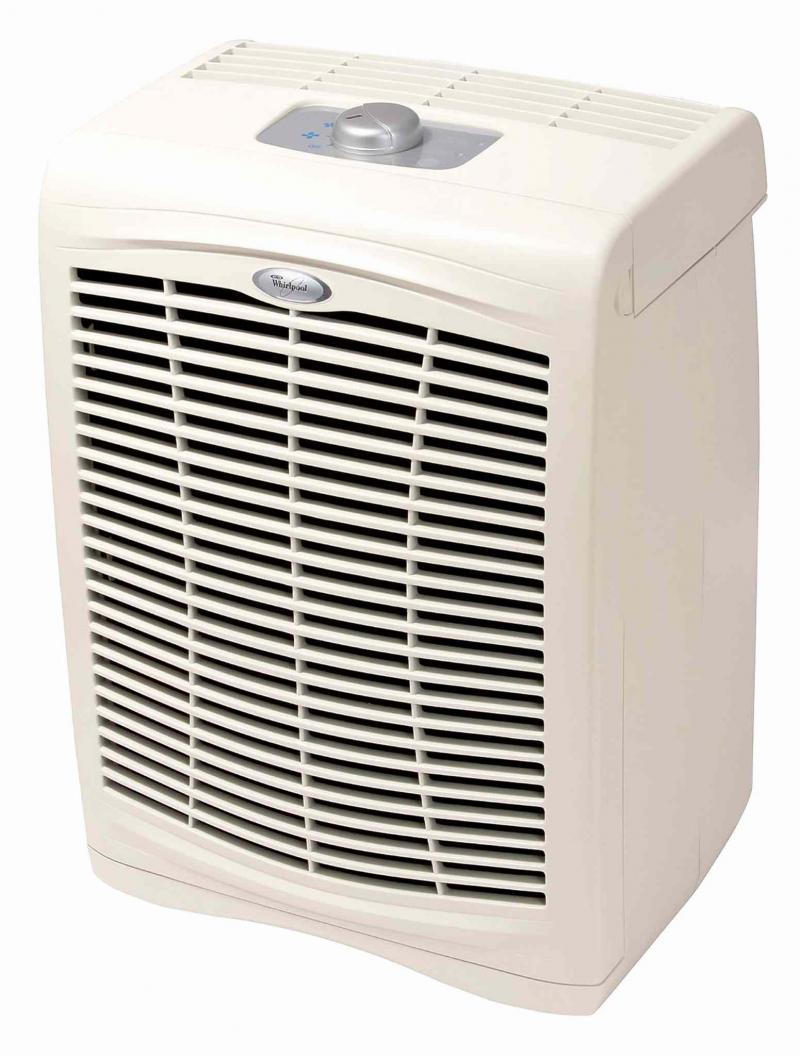
Question: I am considering getting an air purifier. It was rated good in Consumer Reports. My concern is I read it has lots of Styrofoam in it. As I am very sensitive to dust, odours and other things, and I am hoping the Styrofoam will not cause a health hazard to me. It is a Whirlpool-brand air purifier.
Can you tell me your opinion?
Thank you so much. Ariel M
Answer: I have little experience with stand-alone air purifiers, but I can offer insight into concerns with foam insulation and your health concerns. While there are many building products that have caused health issues for homeowners over the decades, foam insulation products are not normally a concern. Regardless, consultation with your doctor or other health-care professional is advised before purchasing and using such an appliance.
Buying an electric air purifier may be a good investment for someone like you who is sensitive to dust and other allergens that are often floating around in our indoor air environments. These small, relatively inexpensive devices may make a noticeable difference to your indoor air quality, especially if they are used in conjunction with a quality pleated air filter in your heating system.
As I have never owned such an appliance, I am relying on anecdotal information from clients, homeowners and published research I have acquired on their effectiveness. Many of these air-filtration systems may have charcoal-based filters, or other media, that require regular maintenance but may remove airborne particles common furnace filters may miss.
The key to any device or appliance that helps capture particles that are airborne in our homes is proper maintenance and cleaning. To ensure proper function, your new air purifier will have to be cleaned or serviced as per the manufacturer's specifications to be effective. This may include regular dusting, vacuuming, washing, or replacement of any filters or media in the air purifier.
Just like regular removal and replacement of furnace air filters, or cleaning of HRV filters, this is critical to ensure effective air filtration. Slacking off or delaying this maintenance may render the device almost useless and will simply be a waste of energy for operation.
Since any air-filtration device may be subject to condensation or moisture collection, they may contain insulation to prevent damage to components or leakage. I have no knowledge of the foam insulation contents of these units, but your research may be correct. Styrofoam is a brand name, but what you are likely referring to is some form of polyurethane foam insulation inside the air purifier. It is true any hydrocarbon-based products may produce some chemical residues, often referred to as off-gassing, but these are normally limited over time. Polyurethanes have been used for many products present in our homes for decades, with rigid foam insulation being only one type. They are generally regarded as quite stable and may only present a health hazard if burned. Unless you have extreme chemical sensitivity, it is unlikely the small amount of this insulation material contained in a stand-alone air purifier will affect your health.
As a home inspector, I do not have any specific medical training, so my answer to your health concern is only based on my knowledge of house components. Within your home, there are other components that likely contain larger amounts of polyurethane foams than a small air purifier. These may include your refrigerator, freezer, camping coolers, portable coffee mugs, heat recovery ventilators and other small appliances. Any packaged electronics or other fragile items normally come shipped in cardboard boxes lined with foam, or surrounded by pellets, to protect them from damage during shipping. While many of these do not have a constant source of air blowing across the surface, like the air cleaner, they may still add chemical pollutants to the air in your home. If you were particularly sensitive to these, I would suspect you would have had adverse reactions in the past.
Even if there is a chance chemical off-gassing from plastic foam components in a new air purifier would raise the levels in your house air, you would have to weigh these against the benefits of the appliance. If these are as effective as advertised in removing dust, pollen and other airborne contaminants from our indoor environments, that may override any negative factors associated with use. As with other chemicals we regularly use in our homes for regular cleaning and maintenance, the benefits may outweigh the negative aspects. While these may be toxic to us in large quantities, careful use may eliminate harmful bacteria, fungus, and other microscopic germs that can make us sick.
Over the years, homes and their contents have been made with many types of potentially harmful components in which the risks are not discovered until years or decades later. Asbestos, lead, formaldehyde, mercury and other toxic or dangerous compounds are some of these, but polyurethane foam insulations are not considered in the same category. Minimizing chemicals in our indoor environments is a wise endeavour, especially for someone with your sensitivities, but small amounts in electric appliances may be of little concern. If unsure, always contact your family doctor to ensure your specific health issues may not be compounded by the introduction of a new air purifier to your home.
Ari Marantz is the owner of Trained Eye Home Inspection Ltd. and the past president of the Canadian Association of Home & Property Inspectors -- Manitoba (cahpi.mb.ca). Questions can be emailed to the address below. Ari can be reached at 204-291-5358 or check out his website at trainedeye.ca.
trainedeye@iname.com