The questions I get asked most, especially this time of year, start out "when?"
As in, when should I seed my lawn? When can I divide my perennials? When should I plant a shrub?
In gardening, as in most things in life, timing can be everything. The last thing you want to do is plant your tomatoes prior to the last frost or prune the lilac bush before you get to enjoy its blooms.
Ditto for digging and planting a brand-new flower and then deciding afterward you'd rather have a pond in that spot.
Combine our unpredictable weather, busy schedules and bad decisions and you could have a recipe for disaster. However, in the world of horticulture, plants can be very tolerant -- if not downright forgiving. Here's some guidelines to answer some of my most often-asked queries.
When should I dig a new bed?
Spring is usually the time eager gardeners take on digging new beds in anticipation of planting flowers or a vegetable garden. They mark out the boundaries, strip off the sod and then dig by hand or rent a roto-tiller. But roto-tilling can churn up weed seeds to the surface or make an existing perennial-weed problem worse by chopping them into cuttings and re-distributing them.
Dig when it is neither too wet nor too dry. Wet soil is heavy and a pain to haul by hand, not to mention messy and prone to compacting. Disturbing dry soil contributes to erosion by wind or rain.
Once your bed is dug and the soil amended, the best course of action is to leave it be for an entire season. Apply an organic mulch to keep the weeds down and diligently dig out any weeds that do appear.
You'll reward yourself for waiting by having a fertile, weed-free plot that you should never have to dig up again.
When can I plant perennials?
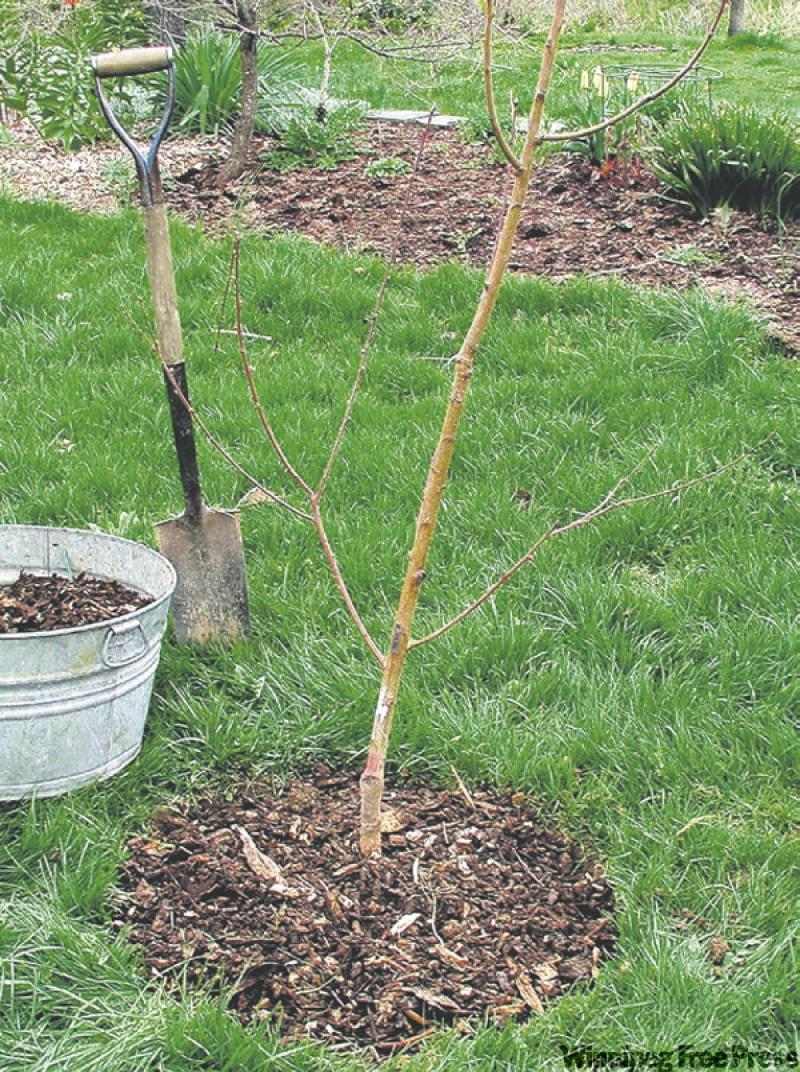
Most gardeners in the spring are itching to get plants in the ground, and rightly so. Spring is a perfect time to plant perennials once the soil warms up. Over the course of the summer you may notice spots in the landscape you'd like to add to or change and it's perfectly fine to plant all season long.
If the plants are potted in peat moss, remove as much of that as possible and, if the roots are tightly bound, gently loosen the rootball before planting it in the ground. Keep an eye on newly planted specimens for signs of wilting or stress, especially in the first few weeks, and give them extra attention if needed. Come fall, take advantage of the end-of-season sales if the plant material is healthy. Be sure to plant those specimens in the ground as soon as possible to give them a chance to put down some new roots and settle in for the winter.
When can I divide or move perennials?
There's an old adage; divide spring-flowering perennials in fall and fall-flowering plants in spring. There's a certain amount of wisdom in that but, to be truthful, you can divide or move plants anytime throughout the season, though preferably after they've finished flowering. Just be sure when digging to disturb the root ball as little as possible, taking as much soil with that rootball as you can manage and get the plant into its new hole immediately. Be sure to water it well to help it settle in and watch it for the next few weeks for signs of wilting.
When should I fertilize?
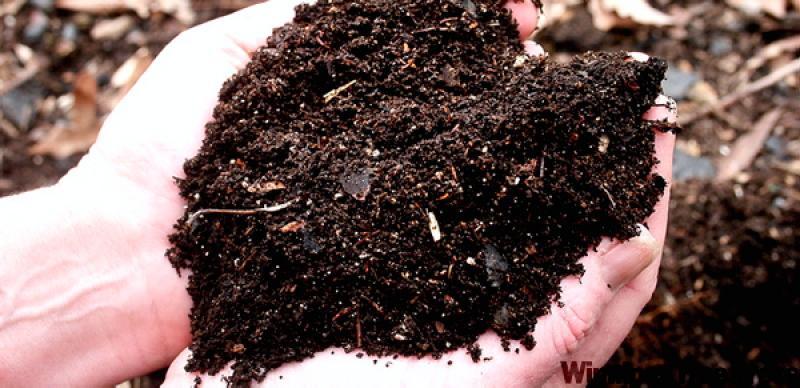
Plants need a steady supply of carbon, hydrogen and oxygen in addition to the three big nutrients nitrogen (N), phosphorus (P) and potassium (K), plus magnesium, calcium and sulphur. Micronutrients such as manganese, iron, zinc and copper should also be present. Our clay soil is mineral-rich but sticky, and dense, and doesn't drain well because it is lacking in loam, the black earth that is rich in decomposing plant matter. Fluffing it up with organic material helps it drain and will allow air to permeate the root zone.
One experienced gardener once told me he knew his soil was right because he could plunge his arm in it up to the elbow with little effort. Feed your soil, not your plants. If your soil has been amended with plenty of nutrient-rich organic matter and fortified with compost regularly, you shouldn't have to fertilize much, or at all. For containers housing soil-less potting mix, a slow-release fertilizer can be working into the mix at planting time, which will last all season, or water with liquid seaweed or compost tea.
You can compost grass clippings, fruit and vegetable kitchen scraps, coffee grounds and tea bags, or disease-free garden prunings. Don't throw perennial weeds, animal waste or anything treated with a herbicide in the compost heap.
When should I water?
Most lawns and gardens need about an inch of rain a week and more during hot, dry spells. Plants in containers may need watering several times a day as they can dry out quickly. The best time to water is early in the morning, ideally with freshwater you've collected with a rain barrel or tap water allowed to sit, warm up and lose the chlorine gas added during our water treatment. Soaker hoses and any method delivered directly to the plant's root system are the most water-saving ways to water. Adding a layer of mulch also helps conserve moisture during dry periods.
When should I prune?
Light pruning can be done throughout the season to keep plants looking tidy, to control growth habit or to promote new growth by removing old stems and branches. Major pruning (but no more than one-third of the plant's total top growth) should be done in the spring when the plant begins to produce buds, or in the late fall when it is going into winter dormancy. Always use clean, sharp tools to ensure the wounds will heal over.
linda.stilkowski@freepress.mb.ca