Burpee
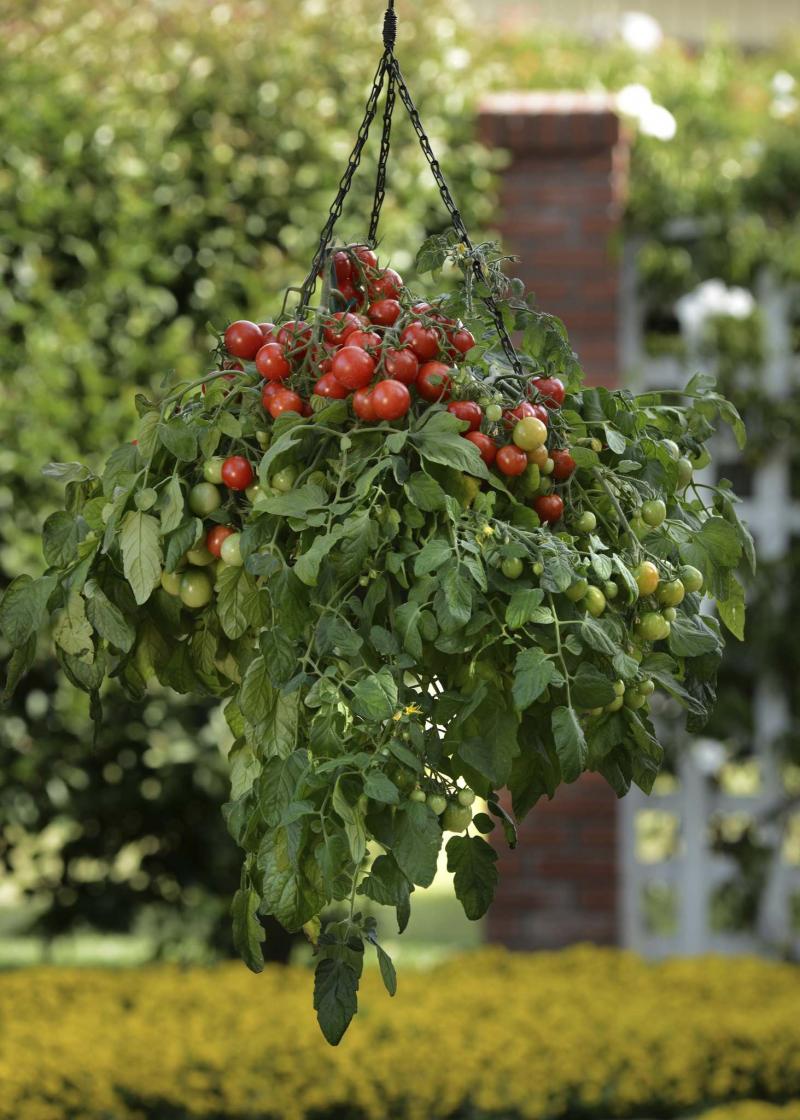
Looking for a compact, prolific tomato for your patio? Tumbler cherry tomato is a cascading variety that is ideal for hanging baskets or containers.
Baker Creek Heirloom Seeds
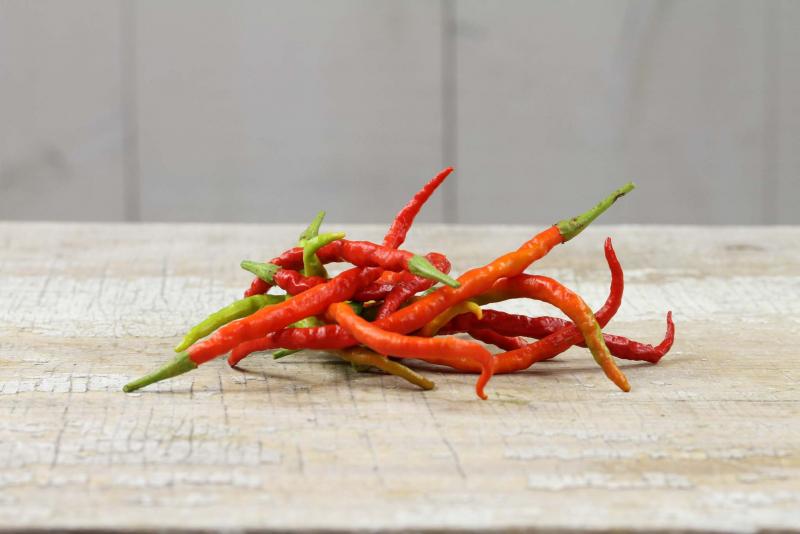
The slender India Jwala (a.k.a. the Finger Hot Indian) packs loads of pungent flavour.
Baker Creek Heirloom Seeds
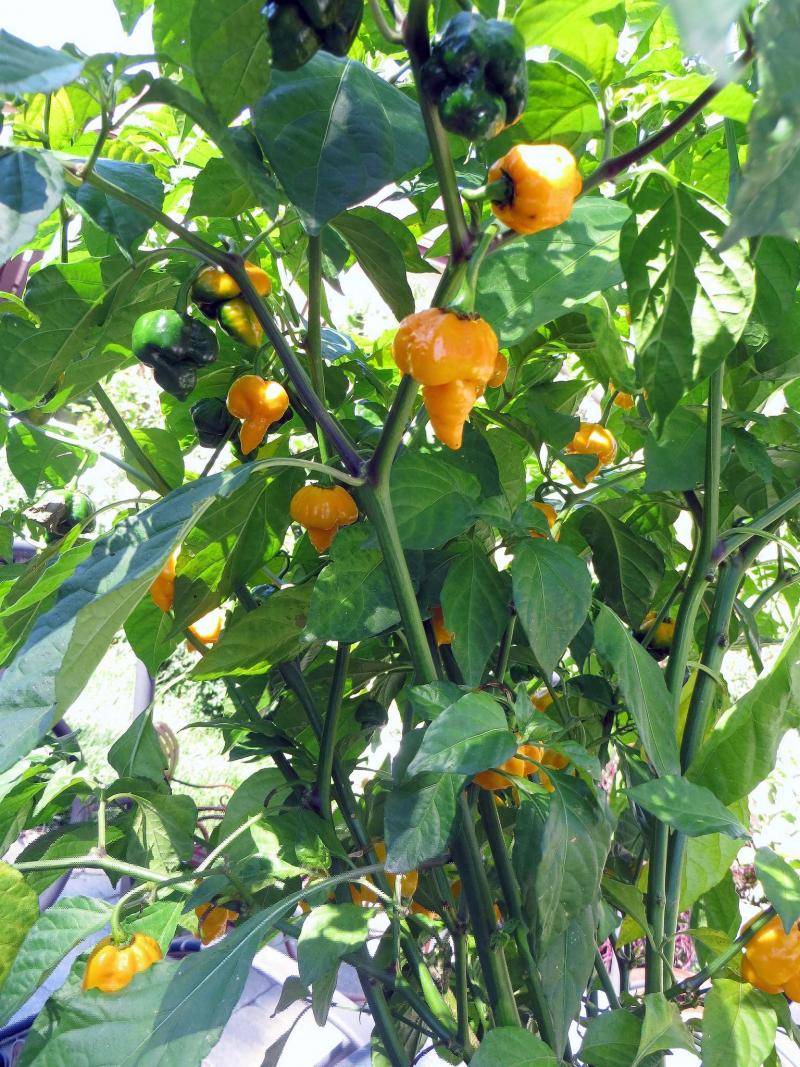
The Trinidad Scorpion Butch T is a super-hot pepper, reaching 1.2 million Scoville heat units.
Johnny’s Selected Seeds
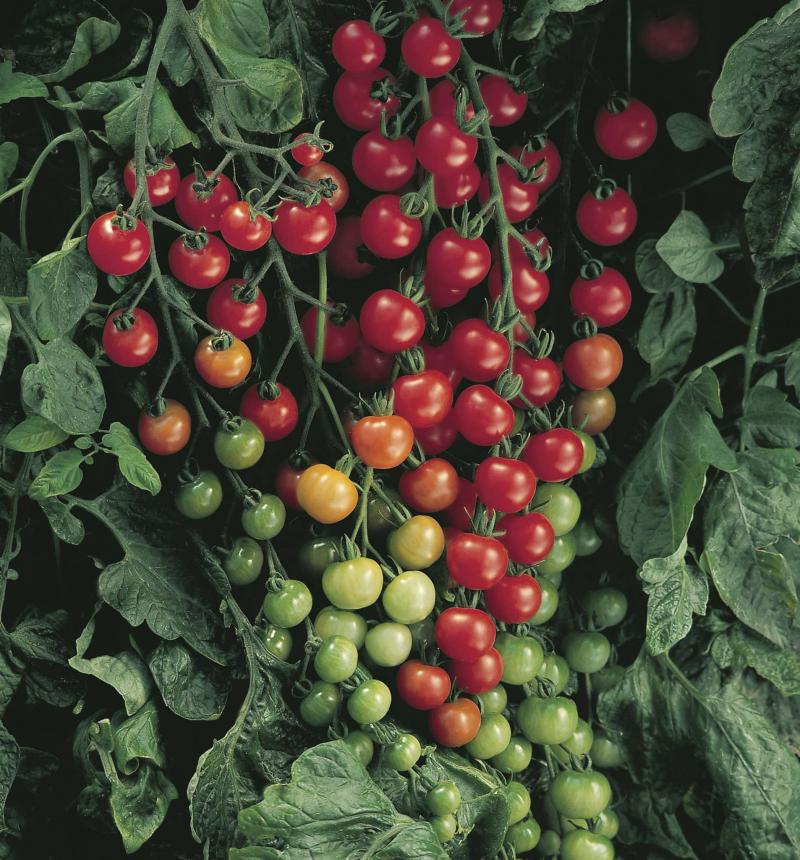
Super Sweet 100, a popular cherry tomato variety, produces large clusters of fruits.
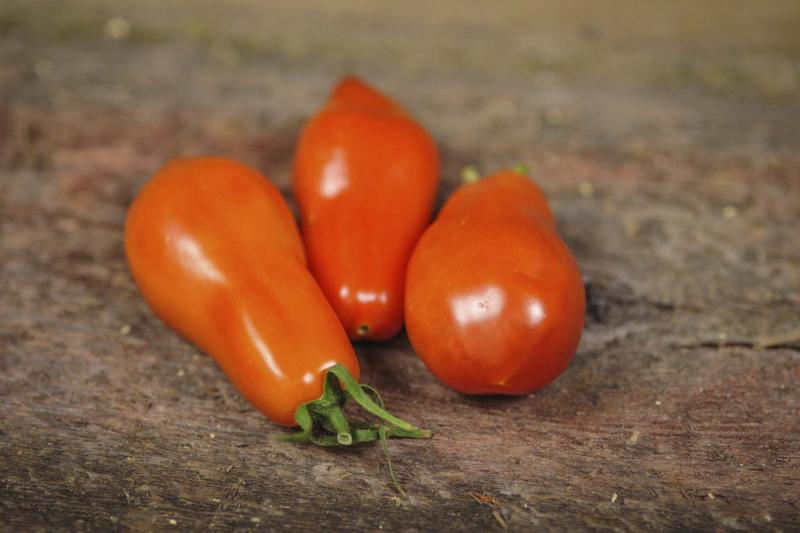
Baker Creek Heirloom Seeds
Classic San Marzano plum tomatoes are ideal for sauces.
A tomato or pepper grower’s path to delicious flavour may start with a recommendation from a neighbour or co-worker who has had success with a particular variety.
Choices can also be influenced by the power of a name and the mental image it conjures up.
Appealing images in seed catalogues also tease the palate but for some intrepid gardeners, it’s the joy of the hunt that drives them to seek out the rare and unusual. Sometimes, too, it’s healthy competition that shapes our choices.
For Ed Amman, who grows more than 100 different varieties of tomatoes and peppers each year in his Winnipeg garden, it’s all of these things.
Importantly, in order for any variety to become one of his many favourites, it must first pass the taste test with the perfect balance of flavours.
In peppers, Amman’s taste leans toward hot and spicy flavours. He has high hopes for a new variety he is trying this year — India Jwala, also known as the Finger Hot Indian Pepper. A popular pepper in India, the word "jwala" means "volcano" in Hindi. This pungent pepper has thin flesh, perfect for drying easily and making dried pepper flakes or grinding into pepper powder. India Jwala is a prolific producer that matures quickly. Peppers start out green and ripen to a fire-engine red colour, an indication of the amount of heat each slender fruit packs (from 30,000 to 50,000 Scoville heat units).
Trinidad Scorpion Butch T is even hotter at 1.2 million Scovilles, surpassing the heat of Bhut Jolokia (Ghost pepper), although not all hot pepper enthusiasts are agreed as to which is hotter. Typically the colour of this wrinkled pepper ranges from a glowing mustard yellow to red-orange. Carolina Reaper, believed to be the hottest pepper in the world (1.5 million SHUs), is another favourite variety that Amman grows. Last year a single Carolina Reaper pepper plant in Amman’s garden produced 200 pods, sometimes with tails.
Sante Fe Grande, a spicy 10-centimetre pepper, intrigues Amman with the promise of heavy yields and then there is the anticipation of Big Black Mama, a wrinkly, dark brown pepper with intense heat. Amman dries his peppers in a dehydrator. After grinding, he adds the pepper powder to an air-tight container and adds the amount of heat that he likes to recipes.
In addition to scorchers, Amman also enjoys growing cayenne and jalapeno pepper varieties with heat levels that vary from mild to hot. This year he is also trying Sweet Cherry Blend, a cherry tomato-sized pepper with a sweet flavour ideal for pickling and canning.
Amman grows even more tomatoes than he does peppers. One example, Super Sweet 100, is this year’s darling of cherry tomato varieties. An indeterminate type, the fruits are produced in large clusters.
Last year Fantastic tomato failed to impress but this year Amman is trying the new, improved Super Fantastic.
In addition to heirloom varieties such as Ferris Wheel and beefsteak types such as Beefmaster and Beefy Boy, Amman grows San Marzano, a classic plum tomato that is ideal for making sauces.
Amman starts all of his tomatoes and peppers by seed, generally at the end of March or first week in April. After the seeds have germinated and the true leaves have developed, he transplants the seedlings to larger containers.
As temperatures warm up in spring, they are moved outdoors to a wood-frame greenhouse and gradually acclimatized to direct sunlight.
Over the next week, weather permitting, Amman plans to transplant all of his tomato and pepper seedlings into the garden, preferably when the sky is overcast.
He adds a calcium product, The Talk of Tomatoes, to the bottom of each transplant hole to aid in preventing blossom end rot, which is caused by a lack of calcium if plants are not watered consistently.
Good cultural practices such as watering at the base of plants, mulching, preventing soil from splashing on leaves, and providing good air circulation help to prevent diseases that affect tomatoes such as blossom end rot, early blight and Septoria leaf spot, Amman says. He mulches with grass clippings around the base of his tomato plants and says that it is essential to maintain even moisture.
To prevent cutworm damage, the bane of tomato growers, Amman inserts a 10-cm nail next to the stem of each tomato plant. The nail acts as a stem protector by discouraging cutworms from wrapping themselves around the tomato stem and cutting it. Since he first started to use this method several years ago, Amman has not lost a single tomato to cutworms.
To stake his tomatoes, Amman prefers to use rebar rods that are 12 mm in diameter. He ties the plants with soft foam-coated wire that he buys on a large spool.
Once flowers develop, he removes all of the leaves and suckers below the first blossom cluster. Amman’s preference is to have one or two main stalks. He pinches off the rest. By the end of June, Amman will spray his tomato plants with copper sulfate, a fungicide, every few weeks as a further preventative measure against disease.
When plants are actively growing, Amman fertilizes garden plants once every 10 to 14 days and container plants once every seven to 10 days with a 10-52-10 water soluble formulation. Once fruits start to appear, he switches to a 15-15-30 formulation.
Local garden centres carry a range of ready-to grow tomato and pepper plants. Beth Sumka of Sumka Brothers Greenhouses on Peguis Street recommends Tumbler cherry tomato, a cascading determinate variety that is perfect for hanging baskets or patio pots. Sumka is also impressed by Rapunzel, an indeterminate cherry tomato that produces long trusses with up to 40 cherry tomatoes on each vine. When growing for competition, Sumka recommends Uncle Peter’s Special, a giant tomato variety that is exclusive to Sumka Brothers.
Pepper enthusiasts, Sumka says, will enjoy Sriracha Hybrid pepper, a mildly hot jalapeno pepper for making sriracha sauce.
Colin Remillard, co-owner of Jardin St. Leon Gardens on St. Mary’s Road, says that demand has been huge this year for the hottest pepper varieties. His inventory of Carolina Reaper has already gone home with his customers. Adventurous pepper growers, however, will be keen to try a new variety — Jay’s Peach Ghost Scorpion. A cross between a Ghost and a Trinidad Scorpion, Peach Ghost is a super-hot pepper (up to 900,000 SHUs) with a peach-coloured exterior. Remillard is trying this one in his own garden.
St. Leon Gardens is also carrying more than 100 varieties of tomatoes. For those who are looking for a compact variety for patio pots, Remillard suggests Sprite, a determinate grape tomato with a tidy growth habit. A prolific producer, Sprite’s oval grape tomatoes are said to have a delicious, sweet flavour. An even heavier producer, Black Cherry’s dusky purple-brown grape tomatoes have a rich, complex flavour.
At the opposite end of the scale, Remillard recommends Whopper, a juicy, meaty, crack-resistant beefsteak tomato that measures 10 cm or more across.
colleenizacharias@gmail.com
Garden Days is Canada’s annual celebration of gardens and gardening. In celebration of Canada’s 150th birthday, Garden Days will be a 10-day event from June 9 to 18. Register your special garden activity, at no cost, on gardendays.ca.