Dear Marc: I am buying my first home and I have never designed anything in my life! I plan to design my home myself and use some of my existing furniture from my previous rental and combine it with some new purchases. I was told the texture of an object is very important when designing a room. What kind of textures should I look for when co-ordinating the design of my new home? — Cameron
Dear Cameron: Harmony is of utmost importance in design. Every design element in a space affects its counterpart elements, be it colour, furniture or accessories. When it comes to design, the No. 1 item on everyone's mind is always colour. Homeowners tend to perceive colour as the determining factor of a successful design and leaving out the not-so-obvious elements, such as texture.
There are four types of textures in two categories: rough/smooth and hard/soft. Soft textures are most often fabrics such as drapes. Hard textures can be wood, lacquered surfaces, chrome, and glass. Then you can also classify these same elements in another category, to determine the intensity of their texture. Rough surfaces are brick or stucco and smooth surfaces are glass and chrome.
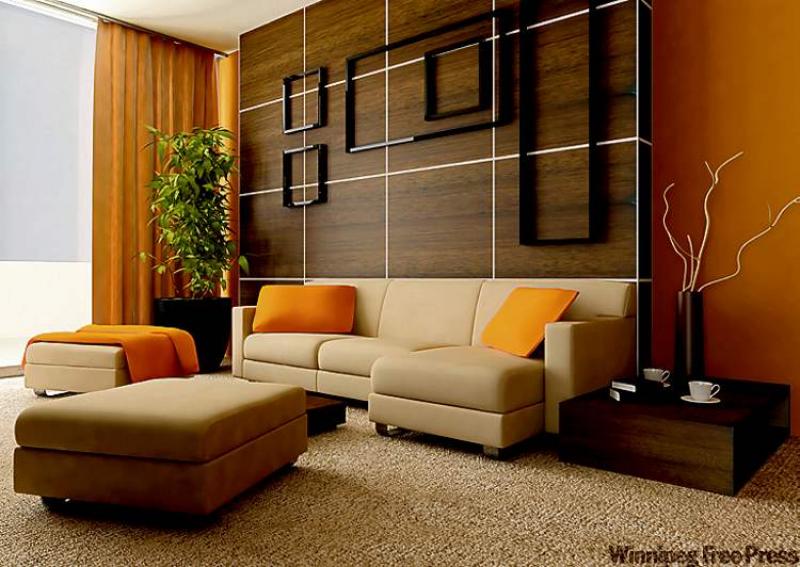
Designers use texture in different ways to tie in the design elements in a space. The texture of an item will affect the overall look of the furniture piece and the intensity of the colour. Have you ever noticed how you can live with a bright-orange shag area rug, but you would never dream of having your entire flooring in orange? The simple reason your perception of the flooring is different is the intensity of the texture. The long threads of the rug increase the surface for light absorption, which, in turn, will lower the intensity of the colour the eye sees.
The same can be applied to any accessory. Silk throw pillows with a soft/smooth surface will exude more colour intensity than a plush accent pillow with a soft/rough surface. Therefore, once again, we can conclude a rough texture will not only change the look of an accessory; it will also modify the final colour intensity. You can use this to your advantage by applying different textures to pieces you either want to accent and stand out, or to blend together with the rest of your design.
Textures can also be used to fool the eye in the dimensions of a space. Rough surfaces tend to bring the walls of a room inward, thus creating a more cozy atmosphere. The use of rough textures in large, open spaces is recommended to keep a space from looking too cold and impersonal.
On the other hand, soft surfaces are a great way to make a small room look larger. We've all noticed how small spaces tend to have traces of mirrors, chrome and glass. These smooth surfaces are introduced into small spaces to reflect light and make a space appear larger than it is.
Design is all about perception: the perception of certain objects and how they relate to one another harmoniously. The wonderful thing about design is that once you understand the fundamentals, you can apply these to any space!
Marc Atiyolil is the editor-in-chief of Canadian Home Trends -- Canada's Home Decor & Lifestyle Magazine. To ask him a question, visit CanadianHomeTrends.ca.