Google "green home tips" and the engine churns out 60 million results, about 59 million of which contain the same tangle of cliched, overlapping pointers.
For that reason, narrowing the choices down when it's time for a carbon-conscious, 21st-century renovation is a task best left to experts.
We asked some sustainability specialists to sift through some of the green ideas populating cyberspace, and pick out the ones that pack the biggest environmental punch for the lowest bottom line, in three price ranges.
From newly emerging gadgets that make energy savings a snap to revolutionary heating systems that can drastically reduce your home's fossil-fuel footprint, there are tons of eco-options on the market to fit any budget and way of life.
Whether you rent or own, it's important to know that all home upgrades are not created equal, and saving your pennies for the right project could make for a much happier planet.
Under $1,000
Going green is very similar to reforming your finances: The first step is to take stock of what resources you have coming in, and how much is being wasted.
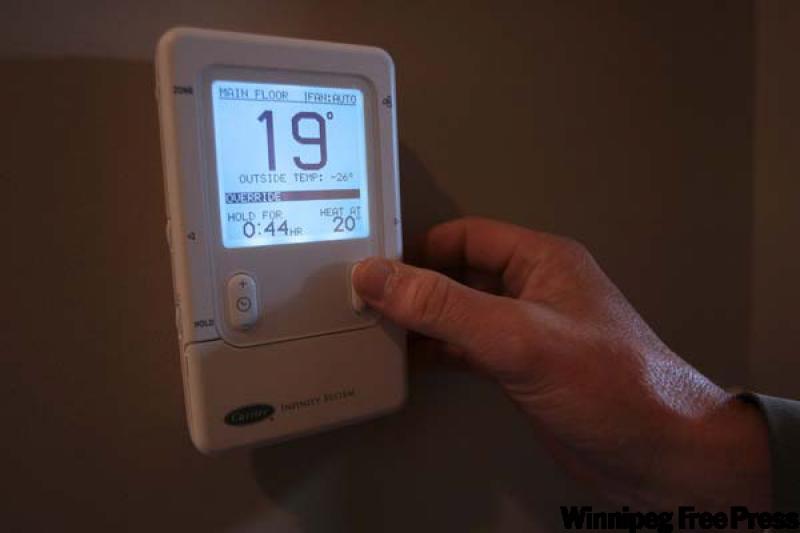
Climate-change science suggests time is of the essence, and there's no reason to wait to figure out how you could start saving on energy bills. Simi Heer, a spokeswoman for BC Hydro's Power Smart program, says installing a programmable thermostat or using an energy-monitoring device are two of the best, cheapest ways to conserve.
The latter ($25 to $40 in hardware and department stores) allows you to conduct a full energy audit of all the appliances in your home.
Once that's done, you can hire an electrician to install on-off switches that control multiple circuits, allowing you to eliminate "phantom loads" -- the energy pulled by appliances that are plugged in even when turned off.
Over the next couple of years, also look for the introduction of home area networks (HANs), which will eventually be able to connect automated energy-saving systems to smart metres, as an alternative to those on-off switches.
Getting a complete energy audit done by a professional (usually about $150) produces a broader summary of customized, affordable potential green improvements for homeowners, and can be booked for free under some government rebate programs.
$1,000 to $10,000
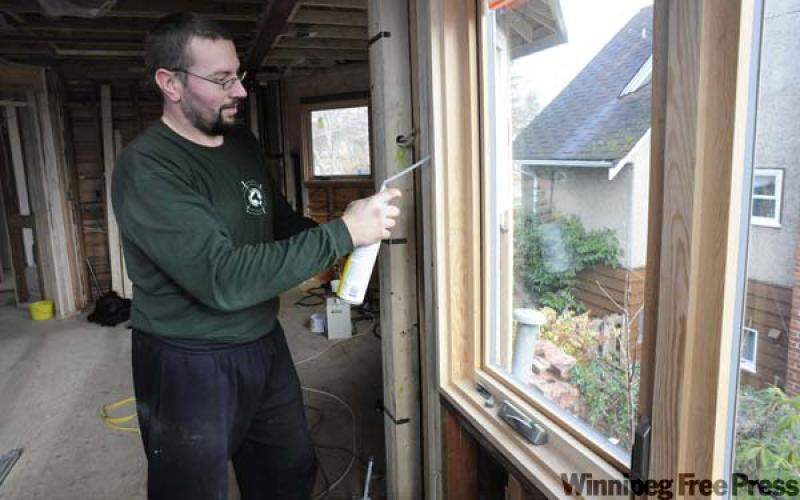
Single-pane windows, and those with heat-leaking metal frames, contribute greatly to heat loss. According to BC Hydro, windows can account for as much as 30 per cent of a home's heat loss.
While energy-efficient windows are now standard in Canada, there is a huge range of quality.
Fixing drafts around doors and windows can reduce heat loss by 10 to 15 per cent.
$10,000 plus
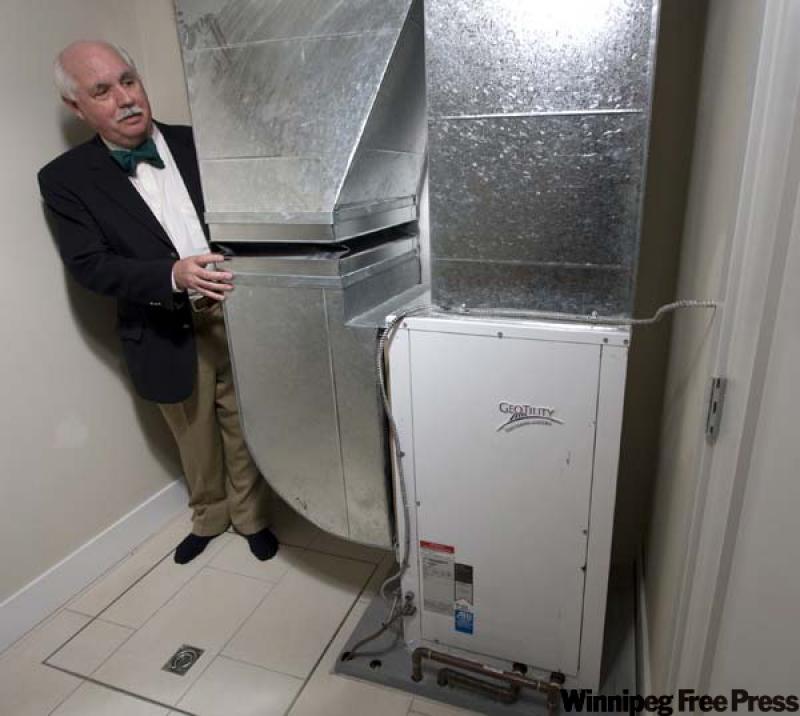
One of the most effective and increasingly popular ways to help cut back on fuel consumption is to install a heat pump.
Unlike other heating systems, which turn fuel or electricity into heat, a heat pump moves heat from one place to another, in the same way as an air conditioner. A new heat pump can cost between $25,000 and $30,000.
-- Canwest News Service