Most of us would agree that home-grown fruits and vegetables always taste better than any store bought variety. This superior taste is one of the biggest motivators for people to either start gardening, or continue year after year.
Exciting the palates of more and more gardeners are heirloom or heritage fruits and vegetables. Heirloom produce comes from non-hybrid seeds that have been grown for many years. They're open-pollinated, which means they can reproduce themselves from their seed.
Seeds are often considered heirloom if the variety has been around for more than 50 years, but some experts reserve the heirloom status for seed varieties that have been around for a century. For most gardeners, however, the official status of heirloom is not that important.
If you've never explored the world of heirloom seeds, Seedy Saturday provides the perfect opportunity to start. Tanya Stefanec, from Heritage Harvest Seeds, will be on hand, selling and promoting heritage seeds.
"Heirloom seed not only provides exceptional flavour, aroma and nutrient content but, by growing heirloom seeds, we are preserving the past while ensuring our future," Stefanec says.
"Best of all, heirloom seed is open pollinated, so gardeners can save their own seed year after year."
Seed-saving used to be the only way that farmers and gardeners could ensure they could plant their gardens or fields from year to year. Seed companies did not exist, so it was up to the grower to save some of the harvest for seed.
These seeds were selected from plants that performed best in a particular environment, creating varieties that were especially adapted to each region, including reference to diseases and pests.
While these varieties of fruits or vegetables were well-suited to their environment, they were not necessarily appropriate to modern agriculture. Some of them couldn't withstand the strain of shipping, while others didn't work with harvest technology. As agriculture expanded, and technology improved, new seed varieties were developed, called hybrid seeds.
Hybrid seeds are created from crossing two different varieties of a plant species. These seeds can have significant advantages, such as uniform ripening, disease resistance and more marketable appearance.
Unfortunately, hybrid plants produce seeds that are either sterile or very unlikely to exhibit the advantages of the parent plant, so growers stopped saving seeds and began purchasing them instead.
The annual purchase of seed creates an obvious expense for the grower of hybrid, and now, genetically modified seeds. For some producers there is an even bigger expense associated with these new seeds -- that of being sued.
It's possible for farmers who did not plant genetically modified (GM) seed to have their fields contaminated when pollen from nearby GM plants drifts into their field. Companies who own the technology of the GM seed can sue these farmers for growing GM crops without paying to use the seed technology, regardless of whether it's simply owing to contamination.
"Despite our best efforts to avoid GM contamination, it's a serious risk that we face as farmers," said Lisa Mumm, a Saskatchewan farmer and seed-grower and one of the presenters at Seedy Saturday.
"We're trying to protect ourselves from the double burden of being contaminated by genetically modified seed and then sued by (these companies)."
The legal issues associated with the introduction of genetically modified seeds and the ability of organic farmers to save seeds and grow organic food is a growing concern.
The right of seed companies to sue farmers whose crops become contaminated with GM pollen is being challenged in the courts by farmers from across North America.
"The future of family farming and organic agriculture depend entirely on our right to grow GM-free food," Mumm said.
"I'm very proud that 83 family farmers and organizations representing farmers have had the courage to join together against these corporations to protect our right to grow healthy, environmentally sustainable food."
The commercial benefits of new hybrid and genetically modified varieties have meant a decline in heirloom seeds. If these seeds are not grown, they eventually lose their viability and the variety can disappear. This is one of the biggest reasons for the decline in genetic diversity of cultivated plants.
Fortunately, the market for heirloom seeds is increasing as more and more people are becoming aware of their significance.
Tanya Stefanec has witnessed this growing interest.
"Over the past few years, the trend in seed-saving has greatly increased," she said. "Gardeners not only want to grow heirloom seeds but also want to save their own seed from year to year. This trend is very important to the preservation of heirloom seed and increasing biodiversity. "
The best advice for new seed-savers is to start off by saving seeds from a plant that produces seed in its first year. Carrots, for example, do not produce seed until their second year, which means storing them over the winter and replanting them the following spring.
Heirloom or any non-hybrid tomatoes are very popular for beginner seed-savers, as are beans, lettuce, peas and peppers.
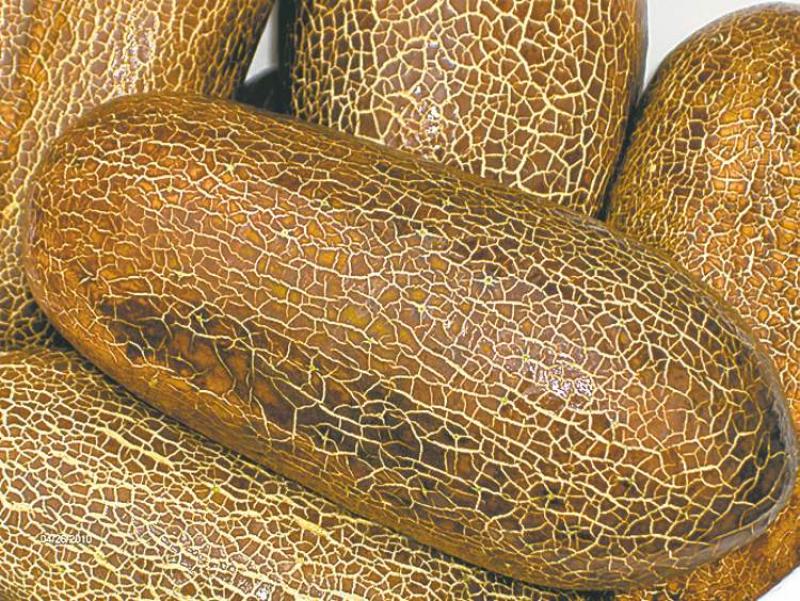
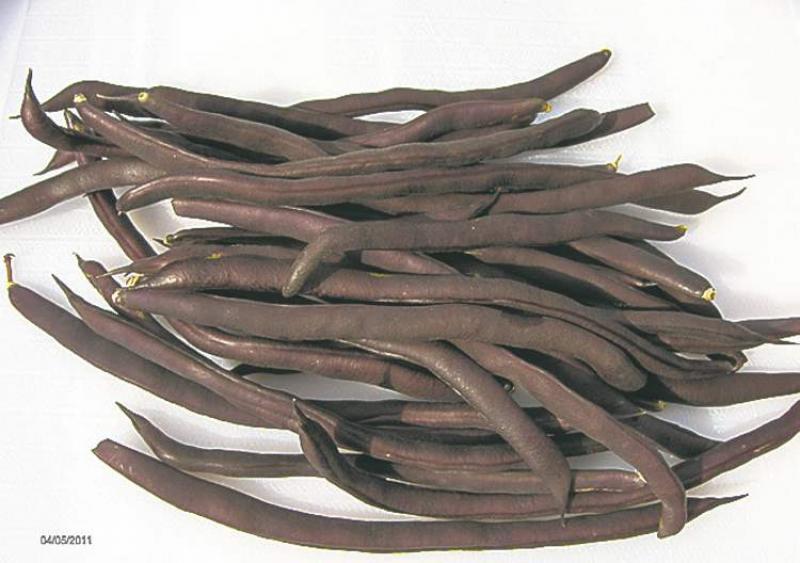
Some of the most exciting heirloom seed available from Heritage Harvest Seed this year is the Sioux Tomato (old-fashioned flavour and great for canning or slicing), Purple Peacock Bean, Kaiser Alexander Cucumber, Crisp Mint Lettuce and Golden Midget Watermelon (rind turns golden when ripe).
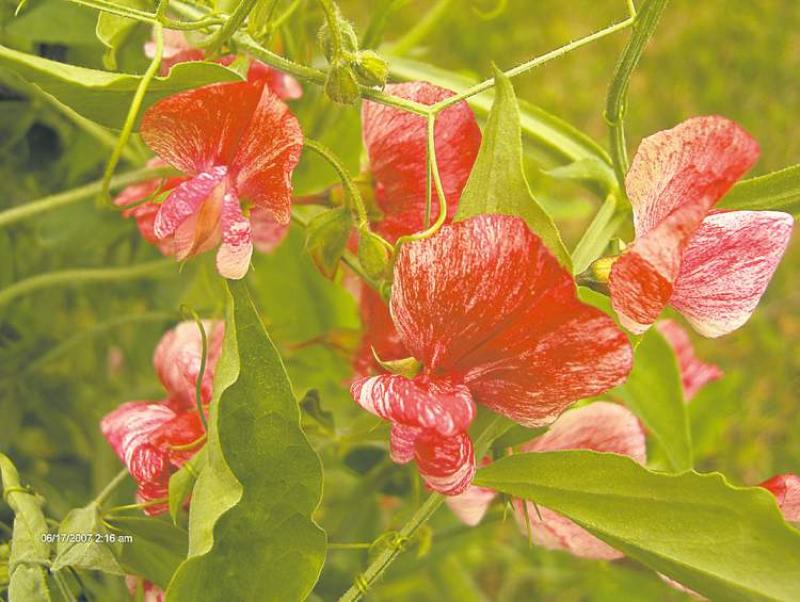
For heirloom flowers with exceptional fragrance, try any of the Heirloom Sweet Peas, Old Fashioned Vining Petunia and Jasmine Tobacco.
Anyone interested in learning more about these heirloom seeds and seed-saving is encouraged to come out to Seedy Saturday.
Karen is an active member of the Winnipeg Community Garden Network.
SEED starters will tell you that it's all about the flavor!
When the seed catalogues come out each December, filled with mouth-watering photos of tomatoes, peppers, carrots, beans and other vegetables, gardeners such as Lenore Linton want to try them all.
Linton, a Master Gardener, starts her seeds the first week in April -- first the peppers, followed by tomatoes and eggplants. She keeps a record book recording the date, varieties, how long each takes to germinate, when they're transplanted into bigger pots and when they're ready to be moved into the greenhouse or cold frame.
"Lights are the most important thing", she insists. "Don't start too early! Tomatoes, especially, need warmth. Know the optimum temperature for germination."
Linton is particularly passionate about vegetables grown from heirloom seed, and wants to try them all because the flavor is unsurpassed. Her favorite: green zebra tomatoes.
"They're so pretty and different. Slice onto a platter with grated cheese and some basil."
Linton uses only a few seeds from each packet she purchases, so that she can enjoy more varieties. The seeds will store for up to three years -- just be sure to mark the date on the packet and store in a cold room in the basement.
Seed lovers will gather today at Seedy Saturday, 10 a.m. to 3 p.m., at the Canadian Mennonite University, South Campus, 600 Shaftesbury Blvd.
-- Colleen Zacharias
Colleen.Zacharias@gardensmanitoba.com