Logee’s Plants for Home & Garden
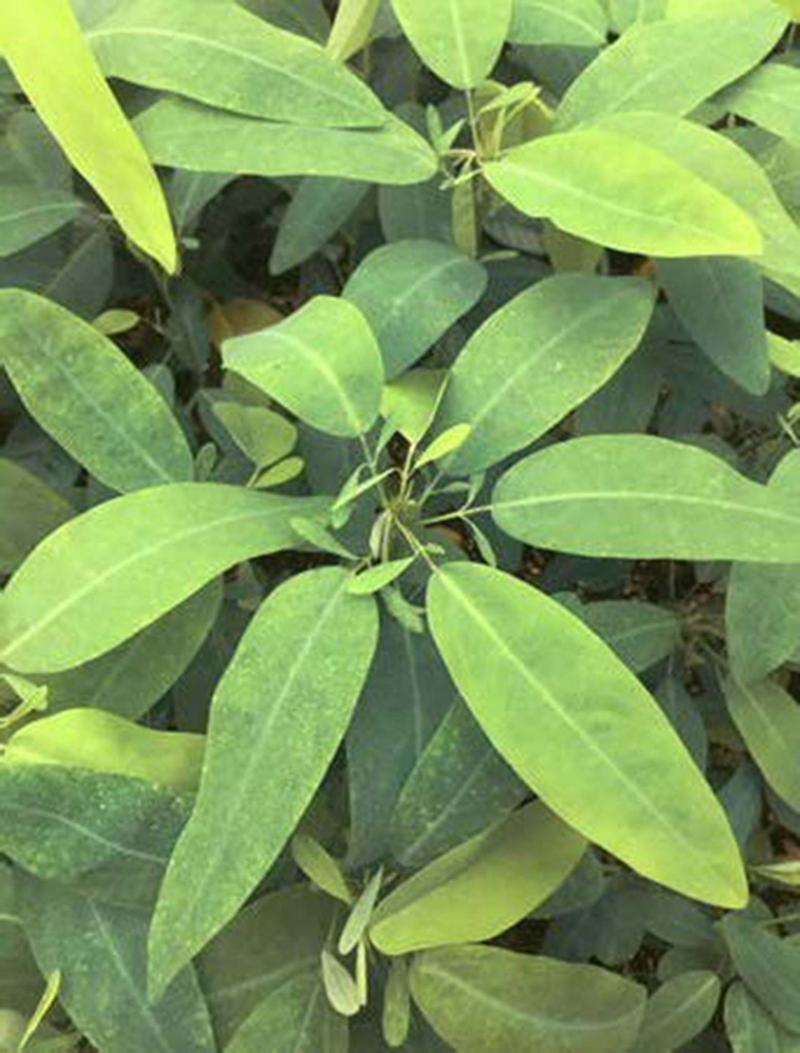
The telegraph plant is ultra-sensitive with leaves that tremble in response to vibrations and sound.
Thompson & Morgan
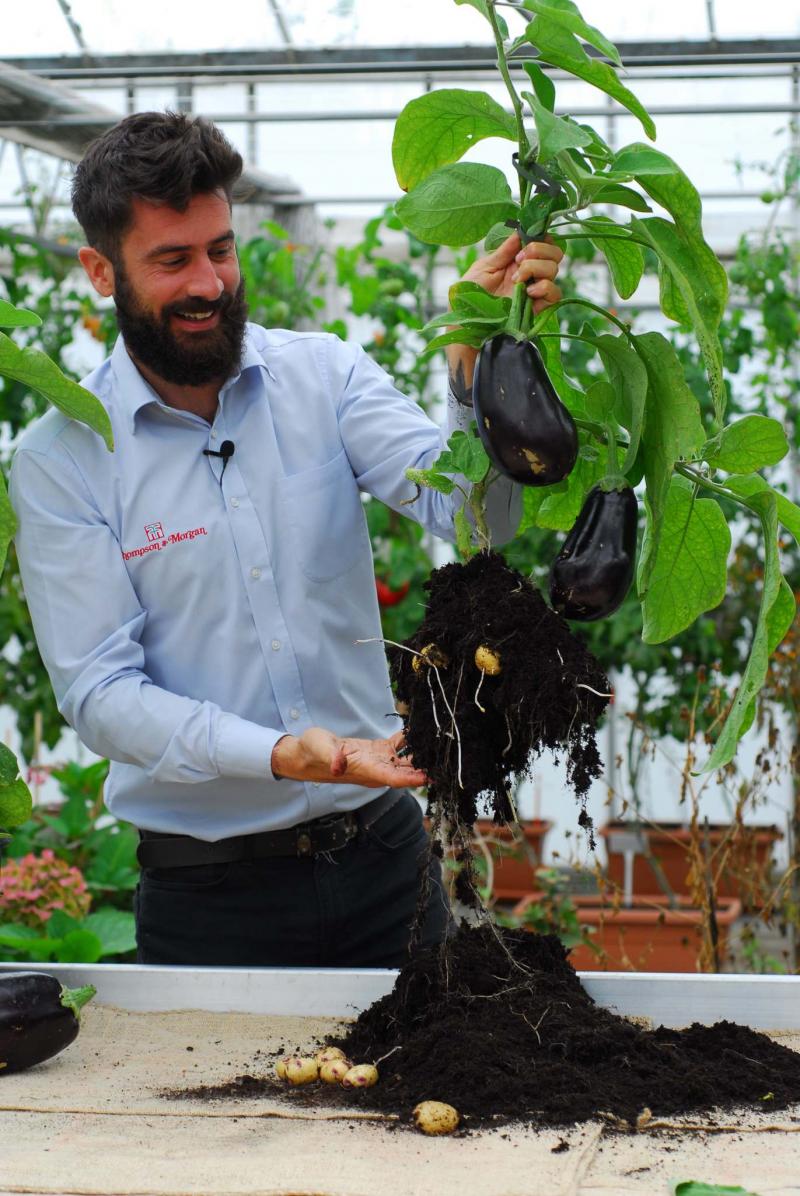
Revolutionary and maybe a little wacky, too, the Egg and Chips plant is a multi-purpose plant that produces both eggplants and potatoes.

Mr. Plant Geek
Michael Perry makes numerous radio and TV appearances, has his own clothing line, and models in his spare time.
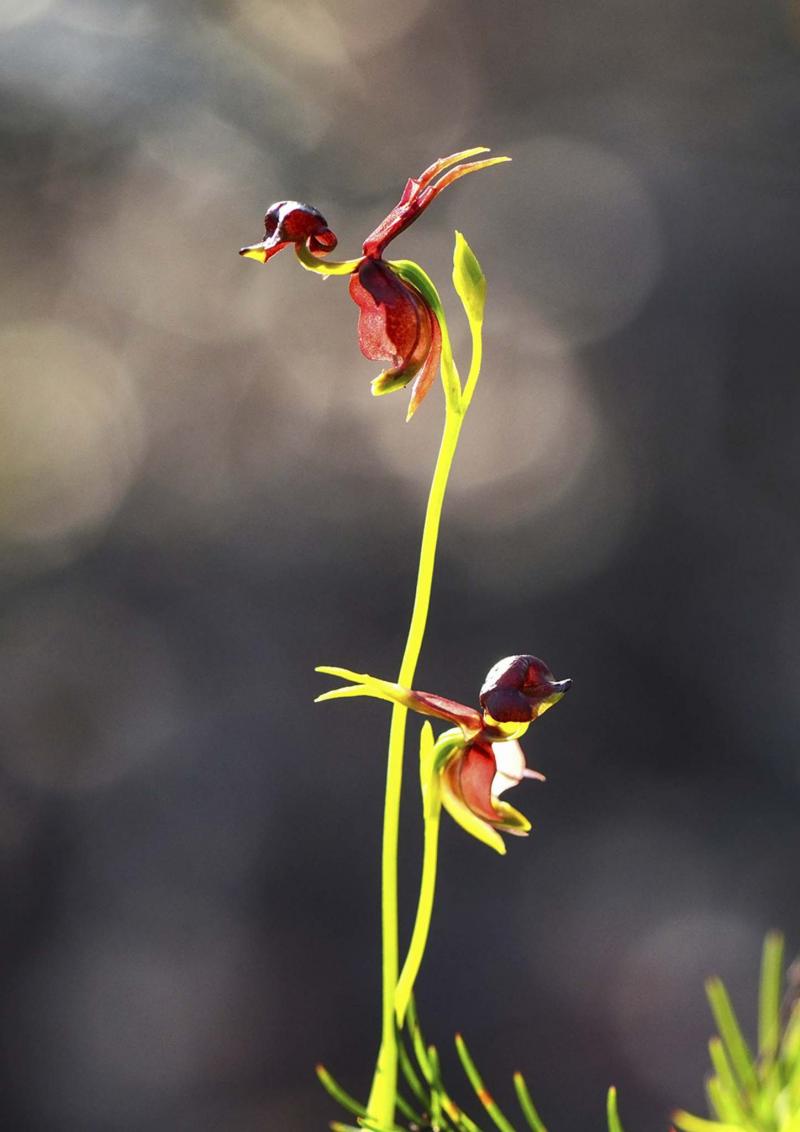
Photo by Wenbo Chen
Caleana major flying duck orchid grows in parts of Australia.
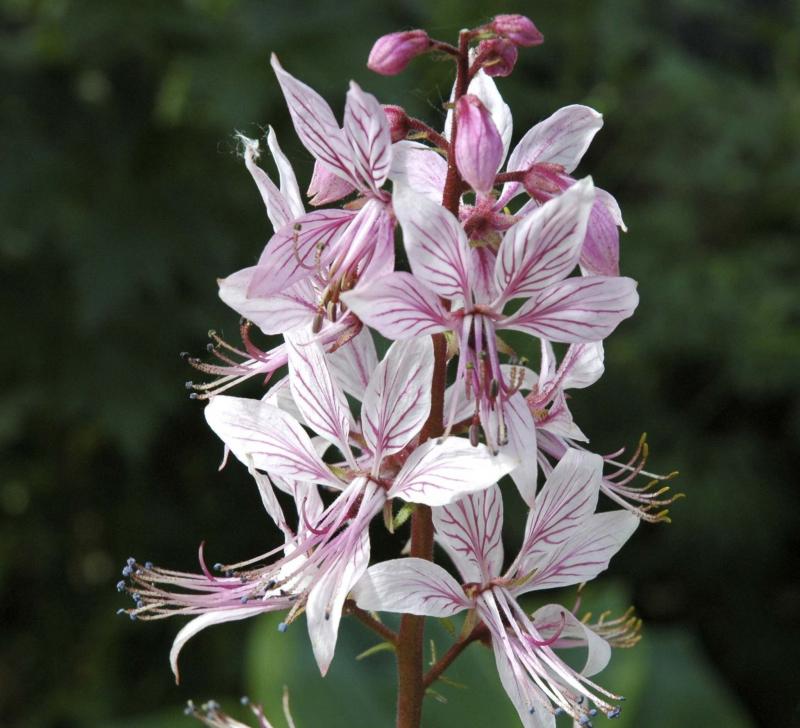
Photo by Becky Slater
Strange but beautiful, the Dictamnus (gas plant) emits volatile oils that are flammable.

Supplied
Michael Perry is the ultimate plant geek whose mission is to identify new plants, but also to understand and reveal their cool behaviours. He has travelled around the globe in search of the unusual and the bizarre.
Quick, who’s your favourite gardening guru? With the proliferation today of gardening experts, many of whom are authors of books or blogs or both, or who have carved out a presence on social media, it’s a crowded field with each personality offering expertise in one area or another. Michael Perry, one of the U.K.’s most popular and prolific horticulturists, has the skills and personality to stand out from the crowd on a global scale.
Perry goes by a fitting moniker — Mr. Plant Geek. It’s a name that has come to personify both an enthusiastic passion for plants and an ability to inspire legions of followers to explore and embrace gardening with a fearless sense of adventure.
Named one of the Top 20 most influential horticulturists in the U.K. by the Sunday Times, Perry has introduced hundreds of new plants to U.K. gardens. He has travelled the world in search of plants from the Netherlands to Japan and China, trekked through tea plantations in India and visited the rainforests of Africa and Costa Rica, as well as the urban jungles of New York to Los Angeles. He also lectures worldwide.
As if all of that weren’t enough, Perry serves as an ambassador for a U.K. plant subscription service, makes numerous radio and TV appearances, has his own clothing line and models in his spare time. Earlier this year, Perry launched a new presentation called the Weird and Wacky Plants Project, which has been playing to sold-out audiences throughout the U.K.. In February, one of his tour stops included Wisconsin Public Television’s Garden Expo.
Now, for the first time, he is coming to Canada. On April 12, Perry will be speaking at the Niagara Parks School of Horticulture where he will be bringing his Weird and Wacky Plants Project to a whole new audience. Perry will delve into the secret world of plants, revealing their strange and wonderful shapes and behaviours and why they do what they do.
The presentation is billed as an opportunity to discover plants with superpowers, plants that move themselves, plants with sexual prowess or strange aromas and more. I asked Perry for an example of a plant with superpowers and he gave the example of Dictamnus, which is commonly known as gas plant. The flowers or seed pods are coated in a flammable oil, Perry says, which can be lit with a match. It isn’t just the spikes of purplish pink flowers and foliage that emit volatile oils and a citrusy fragrance, but also the woody-like star-shaped seed heads. Hardy to our zone, Dictamnus albus is nevertheless an underused plant.
Plants that move? Perry says that has to be Codariocalyx motorius, formerly Desmodium gyrans, a tropical Asian shrub that is also known as the telegraph plant.
"It has small leaflets that rotate gently to maximize sun exposure," Perry says. "The leaflets can also move in reaction to vibrations and sound."
As for plants with sexual prowess, Perry says that plants can be saucy.
"Caleana major attracts pollinating insects," Perry says, "which attempt to copulate the flower, hence, initiating pollination." That isn’t the only characteristic that is a bit weird and wacky. Found in eastern and southern Australia, Caleana major is commonly known as the flying duck orchid and its colourful and intricate blooms bear a striking resemblance to a flying duck, beak and all.
Dendrobium spectabile is an unusual orchid that originates in Australia and New Guinea. It takes four to five years before producing bizarre ribbon-like hinged flowers. With the proper care, it is long-lived, eventually growing to 90 centimetres. Nepenthes ampullaria grows in the rainforests of South East Asia and unlike its carnivorous relatives, this pitcher plant is strictly vegetarian.
In putting the Weird and Wacky Plants Project together, Perry has received help from some of the world’s most prominent plants people. His own knowledge of plants is vast; however, he concedes that in spite of his extensive travels, he hasn’t been able to see everything up close in real-life, least of all, not in the wild. "I have worked with a range of botanists from around the world who have contributed their own images of some of these fantastic plants."
I asked Perry if he is motivated to find plants that aren’t commercially available or whether he is driven to develop plants with characteristics similar to the exotic plants he has come across in his travels to remote areas. "I like to find new plants that excite people, plants they can’t do without," Perry says, "but also plants that make gardening easier — more disease-resistant or longer flowering, for example."
For close to 18 years, Perry worked for Thompson & Morgan, a prominent mail-order seed and plant company in the U.K., where he was responsible for new plant introductions. As product development manager, Perry introduced the TomTato and Egg and Chips plants. The TomTato, a hand-grafted plant that grows both tomatoes and potatoes, has been a huge success commercially in the U.K. and created a stir worldwide. In North America, it is sold under the name of Ketchup ’n’ Fries.
The Egg and Chips plant followed shortly after, in 2016. Another grafted hybrid, it produces both potatoes and eggplants, or aubergines as they are called in the U.K.. This unique plant hasn’t crossed the pond yet.
Currently, Perry says, he is working with a number of European breeders to identify unique new plants and fresh concepts. Mum’s the word, for now. Perry says people are looking for more unique plants as well as plants they can show off to their friends. "Gardening can be very competitive," he says.
Houseplants are hugely popular and have moved from the windowsill and into the spotlight. What’s the next big thing? Perry would like to see window boxes become more popular. "A window box is the perfect in-between garden and the next natural progression from houseplants to the outdoors," he says. In this era of compact urban dwellings, window boxes are accessible to all.
If you have an image of the typical U.K. garden as a glorious English country or cottage garden spilling over with roses and delphiniums, Perry says that’s not necessarily true. "There’s lots of container growing and some questionable gardening features such as solar lights and gnomes," Perry says. He adds that most households make an effort with a hanging basket or two and vegetables are grown on separate allotments.
Incredibly, this avid master of the garden does not have a garden of his own. For now, his globe-trotting escapades and lecture tours don’t allow time for one; however, he is able to experience many different types of gardens all over the world. "There’s nothing better than having your own dirty hands," he says.
Audiences for Perry’s Weird and Wacky Plants show include everyone from gardening experts to intrigued non-gardeners. Perry wants people to take away a greater curiosity and appreciation for plants. He is a serious horticulturist with a twist. Brilliant and cheeky (that’s him wearing only begonias in the 2018 Naked Gardeners Calendar), he’s sure to gain many new Canadian fans. For tickets, visit niagaraparks.com.
colleenizacharias@gmail.com