Breakthroughs in technology mean homeowners in older houses can now enjoy the same advantages in home automation formerly available only in new homes.
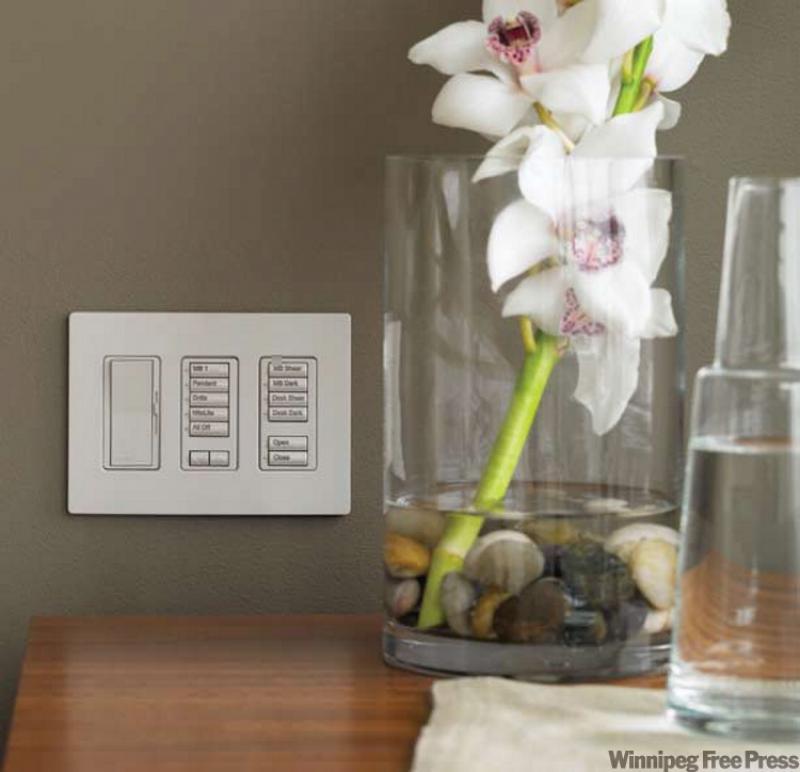
The heart of home automation is the ability for a homeowner to control or monitor, sometimes remotely, electrical devices in a home. Practical applications include control of lighting, draperies, audio systems, the monitoring of home security and the adjustment of heating, ventilation and air conditioning.
It used to be that only new homes were connected digital homes, sometimes referred to as smart homes. The systems were typically controlled and interconnected by wire; installation was easy to do only before the drywall was put up in new homes. Retrofitting an existing house was theoretically possible, but the added labour drove up costs.
The availability of wireless systems has made a big difference when updating and retrofitting older, frequently heritage, structures. Jobs that now cost $10,000 used to be in the six digits.
Home automation systems are popular with security-minded people. Owners have the ability to monitor and control their home system or view images from video cameras from anywhere in the world via a personal computer or iPhone over the Internet.
With these systems, you can turn off your house lights from beside your bed or from anywhere in the world. Systems can be programmed to do just about anything. Sensors can warn of fire, water leaks and sudden temperature drops.
Twenty-five years ago, you had to get out of the car to open the garage door. Now there is a greater expectation that pretty much anything can be automated. Curtains, window blinds and shades all can be tied into smart homes. With a touch of a button, curtains close, lights dim, the TV turns on and a DVD loads in a home-theatre system. Window coverings are the latest items to join programmable indoor and outdoor lights to give a house a lived-in look, even if owners are away.
A remotely controlled 10-foot motorized track for a curtain, wired into a home automation system, can cost $1,000 to $1,500. Smaller blinds and shades in difficult-to-reach spots with no existing wiring can be powered by batteries. Sun sensors let you program drapes to close either at night or in strong sunlight.
Smart-home systems are ideal for video and music lovers. By connecting an iPod dock to the system by hardwire, tunes can be played in any room of the house or even outside.
A central hard-drive and signal distribution allows video to be viewed on multiple televisions. If somebody comes to the door while a television program is in progress, an image from the front-door camera can be displayed on the television.
-- Canwest News Service