For centuries, small living spaces and limited budgets have inspired designers to create multipurpose rooms and furniture.
In 1866, for example, Charles Hess of Cincinnati received a patent for an "Improved Combined Piano, Couch and Bureau" that could offer musical accompaniment to a hotel, boarding school or apartment parlour by day and additional sleeping arrangements by night.
Most everyone has had the pleasure (or pain) of sleeping on a sofa bed, one of the most ubiquitous examples of "transformer furniture."
And who hasn't enjoyed watching a Murphy bed spring from a wall? Invented by William Murphy in the early 1900s, the wall bed has not only intrigued users, but also provided fodder for comical antics in Hollywood skits for years.
Lately, the convertibility cause has been embraced by style-demanding, but spatially challenged apartment residents and material-conscious eco-designers.
Most recently, the green superblog, treehugger.com, listed "transformable" as one of the 13 attributes that editors there use to characterize green design. (Among the others are local, ethical and sustainable.)
While massive, morphing robots lay waste to the streets of New York and the pyramids up on the big screen, many eco-bloggers in contrast argue transformer objects and spaces can offer clever conservation and calm to cluttered rooms and increasingly dense residency-environments.
Yet the cool factor of transformer products sometimes comes with an awkward disadvantage. It slices, it dices, it can even flambé, but can it do any of them, let alone all of them, well?
While a cabinet that turns into a desk may save on materials and increasingly precious floor space, if it fails to fulfil either function well, any potential savings could quickly be neglected, or worse, the entire piece could end up in a landfill.
"Feature creep," or the continual addition of new features to a product to increase its desirability, is most evident in software design, but yields a cautionary tale to the design of everyday transformer products.
Most products (and even many spaces) work best when designed and used with a single purpose in mind. Cushions firm enough to sit on, for example, often prove uncomfortably hard to sleep on.
While balancing aesthetics, affordability and functionality is the challenge of good design, achieving that balance can prove quite problematic in transformer design. Necessity is the mother of invention; and so we endeavour to eke out more uses from fewer materials and less space, which in turn urges us to think more critically about our needs, habits and living requirements.
Transformer furniture and spaces range from the silly and absurd to the remarkable and phenomenal. Here are a few designs worthy of note:
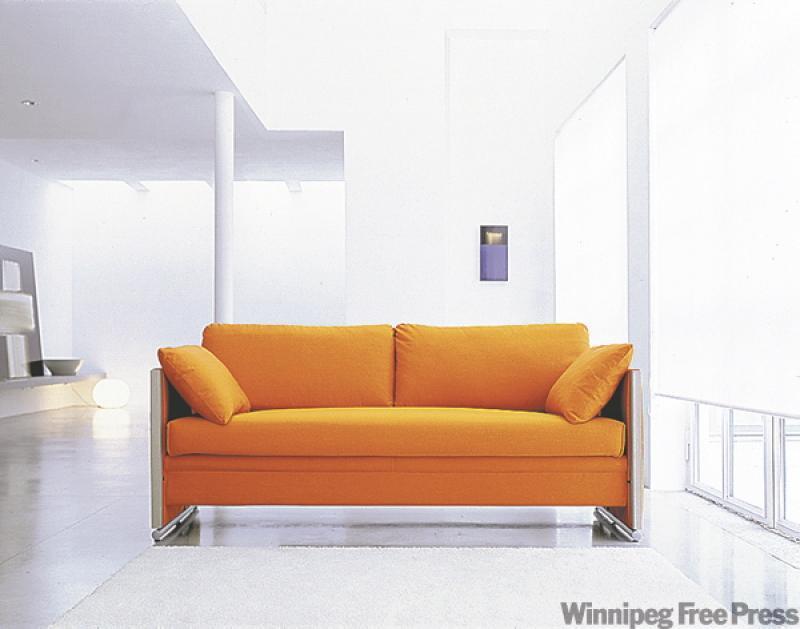
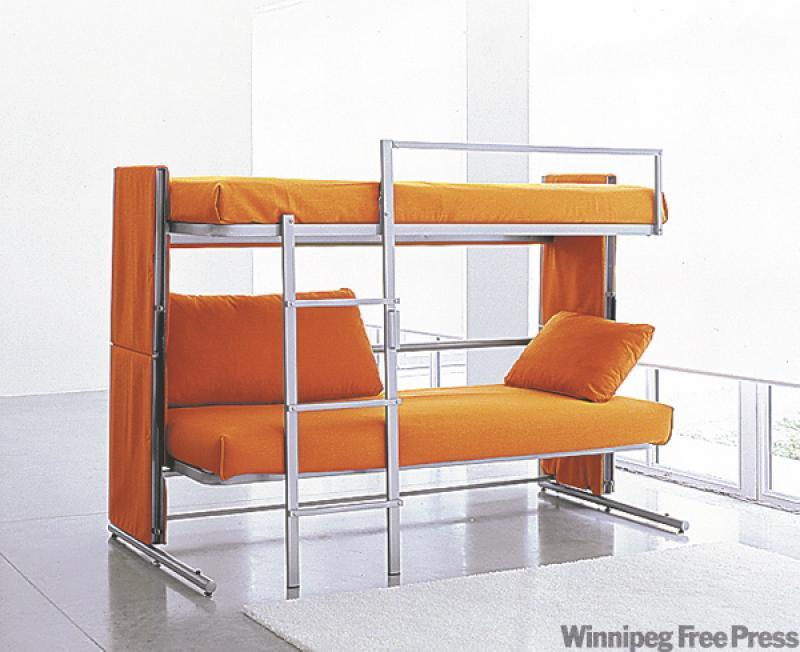
"ö Taking the sofa sleeper to new heights, BonBon's Doc couch is also a bunk bed.
Stylish seating by day, with a simple movement, the Doc transforms into a practical, ready-made bunk bed with integrated supporting ladder and protection guard. See bonbon.co.uk.
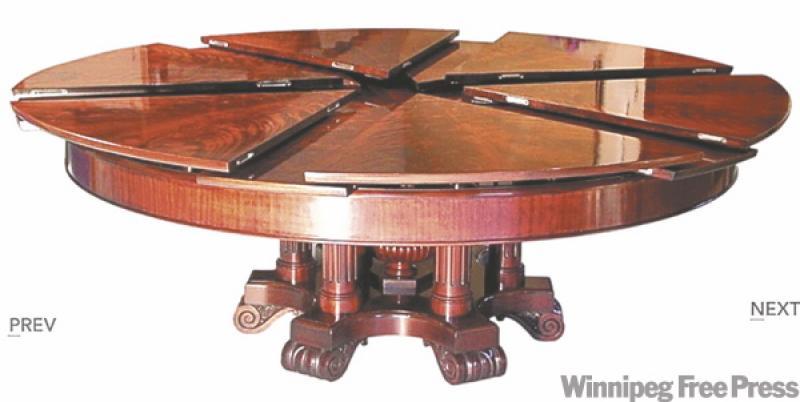
"ö Among the oldest transformers, tables that shrink, expand, raise and lower to accommodate entertaining needs are not new. How they are accomplishing this transformation, however, is becoming more innovative.
By far the most of the impressive (and expensive) of the group is the Fletcher Capstan Table. At the press of a button, this round table can double its seating capacity while remaining truly circular.
And unlike many other expanding tables, its expansion leaves are all stored within itself. See dbfletcher.com.
"ö If you can't decide what you need more, a table or seating, Futaba is a coffee table that converts into a loveseat.
An eloquently simple design solution that converts with ease, the Futaba demonstrates transformer need not be clumsy and unwieldy. Its nearly $5,000 price, however, is a different story. See inmod.com.
-- Canwest News Service