Trevor Gloyn, general manager of the Prairies and Territories region of Canada Mortgage and Housing Corp., answers these questions pertinent to today's homebuyers:
Why should we work with a real estate agent?
While it is possible for you to house-hunt on your own by looking through newspaper ads, watching for "For sale by owner" signs and checking out real estate sites on the Internet, it can be tedious and time-consuming work.
A real estate agent is familiar with different neighbourhoods, has special insight on homes listed for sale and is experienced in helping buyers negotiate the best price for the right home.
To find a real estate agent, ask friends and neighbours for recommendations.
Call your local real estate association for advice. Meet with a few different agents and have a list of questions prepared.
Be specific about the type of home you're looking for and the area in which you want to live.
Visit www.cmhc.ca to download the Checklist for Evaluating Real Estate Agents as a starting point to finding the agent that understands your wants and needs for your new home.
This is our first home purchase. How do we know what kind of house we need?
Ask yourself the following questions:
"ö How large a home do you need? Should it have several bedrooms, more than one bathroom, a home office or a two-car garage?
"ö Are you planning on making lifestyle changes in the near future? Will your family be growing? Will your teenagers be moving away soon?
"ö Are there special features that you'd like your new home to have, such as air conditioning or a hobby room?
"ö What type of neighbourhood do you want to live in? Do you need an area with public transit, a school, shopping and parks?
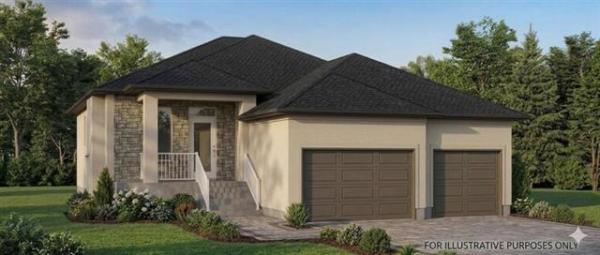
"ö Would you prefer a custom-built home with new appliances and finishings? Or are you looking for a resale home with mature landscaping and a developed basement?
"ö What type of home would you feel most comfortable living in?
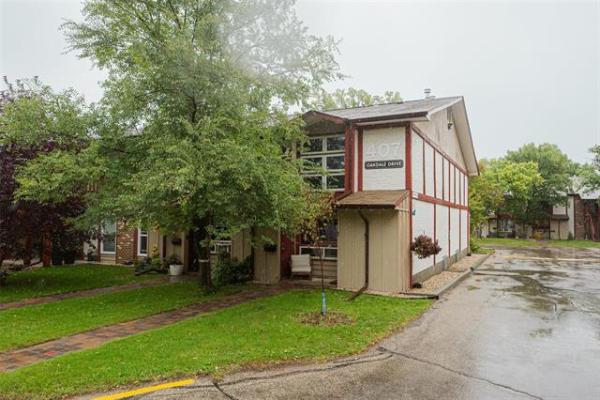
If you're an urban professional, you might want a condominium. Or a single-family detached home might be what your young family needs.
What are the most important things to look for in a house?
Beyond the number of bedrooms and bathrooms, and the size of the backyard, there are other things you need to consider that will have an impact on the total cost of your investment.
Check the home's energy rating. Many houses in Canada have an Energy Rating tag that rates the energy efficiency of the house on a zero to 100 scale.
It is usually posted on the electrical panel. The higher the rating, the less it costs to operate the home.
Ask to see copies of bills to get an idea of what the home costs to run on a monthly basis.
Don't forget to factor in property taxes. If it's a condominium, ask about condo fees.
Look closely at the age and condition of the carpeting, furnace, air conditioner, roof, windows, and siding. Have these been replaced recently or will they need to be replaced in the near future?
While it's a good idea to have the home inspected by a professional before you buy, there are some signs of concern you can spot yourself.
Look for long cracks in the basement, stains in the ceiling from water leaks, and crumbling concrete at the base of the house on the outside.
Visit www.cmhc.ca for a handy home hunting worksheet. Print out several copies to keep notes on each home that appeals to you for comparison later.
Unless you're having a new home custom built, remember that not every home will have exactly what you're looking for.
We found a house we love. How do we know we'll love the neighbourhood?
The neighbourhood and surrounding amenities have as much to do with enjoying your new life as your perfect home does.
Consider the "feel" of the neighbourhood. Are the homes well-kept? Are there sidewalks? Do residents drive slowly in the area? How close is the main street? Is the community a "sustainable neighbourhood?"
This type of neighbourhood is designed to meet residents' needs while protecting the environment. All shops, schools, recreation and other daily destinations are a convenient, safe distance away. This helps reduce driving costs and emissions.
As well, the homes are designed to reduce heating costs. And there are a variety of dwelling types to enable people to move as their needs change, but stay in the neighbourhood longer.
There are many other characteristics of a sustainable neighbourhood. Visit www.cmhc.cato find out more.
Now can we make
an offer?
Even if a home seems perfect, and you're anxious to make an offer, it's a good idea to go back and take a closer, more critical look at it.
Look beyond the things that caught your eye on that first visit such as the current residents' furniture and decorating accessories. Imagine the home empty.
Does your own furniture work in this environment?
"Listen" to the home. Do the floors creak? Is the air conditioning noisy? Can you hear traffic or kids from the street?
Visit the neighbourhood on different days and times, chat with prospective neighbours and observe the activity in the area.
Finding, buying and moving into a home is a huge undertaking.
Once you're settled in, you'll be glad you took the time to make sure your new address is absolutely right.
-- Canwest News Service