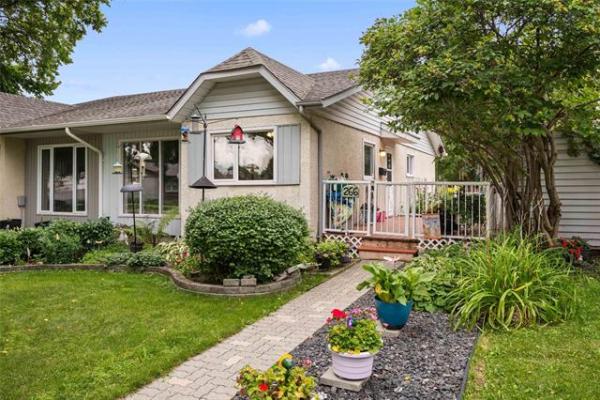
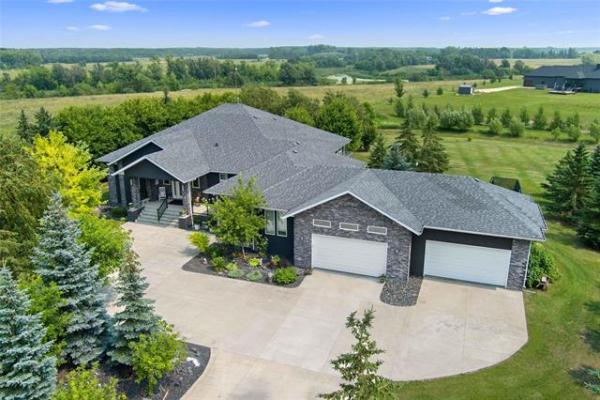
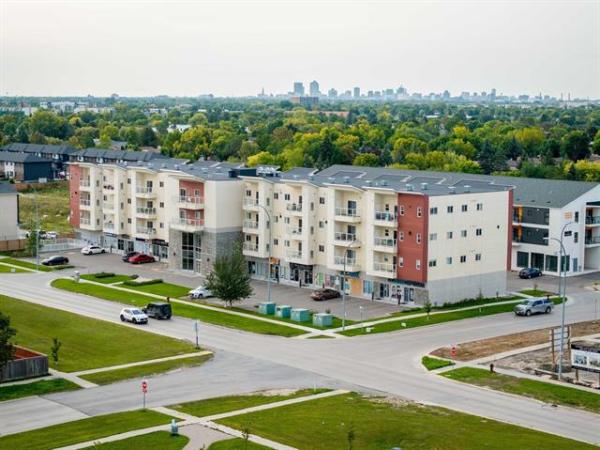
“Stylish 1,078 square foot townhouse, three bed, two bath, radiant heated floors, Energy Star appliances, large windows overlook landscaped yard with patio. Perfect home for entertaining. Walk score: 82.”
While a "walk score" has yet to appear on a Canadian MLS listing, judging by its rapidly growing popularity among real estate agents and websites, it is likely only a matter of time.
Although many people appreciate the presence of shops and services a short walk from their front door, until Walkscore.com launched its calculation tool in 2007 there was no way to quickly measure walkability for a property.
The website's algorithm, which calculates walkability by awarding points for amenities within one mile of an address, helps translate a previously subjective assessment, such as "close to shopping," into a quantified ranking people can use to inform their decision-making processes. Amenities range from restaurants to libraries.
According to a recent article in the Boston Globe, walkability has become the new buzzword in the American real estate industry. U.S.-focused sites such as Zillow.com, ZipRealty.com and Postlets.com are now providing prospective buyers with a "walk score" for each listed property. Some realtors are reporting that, in this difficult market, houses with high walkability scores are proving easier to sell -- owners can save money by walking to mass transit and by using less gas when running errands.
On walkscore.com, people can type in an address, watch the program find services located nearby, and then generate a Walk Score from one to 100. A score below 50 is "car-dependent." A score of 90 to 100 is a "walker's paradise."
However, the listings are neither comprehensive nor indicative of the quality of the services. When I typed in my address, the program completely missed the three small (and beloved) community grocery/cafes located just few blocks away. (My score was 80.)
Further, the program cannot reflect how nice (or unpleasant) the walk to nearby shops and services might be. It can't answer whether there are sidewalks or not, for example. Still, for those wondering if a neighbourhood has good bones -- "pedestrian-oriented" density -- the Walk Score does offer a good place to start.
Healthy 'hoods
Could your neighbourhood be making you fat? A growing body of research indicates there is a significant relationship between the built environment, physical activity and health.
Not only does residency in a walkable neighbourhood help people save money, reduce their carbon footprint and improve their connection to community, it encourages walking and, therefore, can contribute to physical fitness.
That's from Smart Growth BC which, with Lawrence Frank of the University of B.C.'s Active Transportation Collaboratory, just released the findings of one of the first comprehensive Canadian studies on the relationship between physical activity and objective measures of the built environment.
According to the report, some components of the physical environment within a kilometre of a person's residence are significantly associated with a lower likelihood of being overweight. Residents of neighbourhoods with the highest proportion of street retail, for example, were found half as likely to be overweight as residents of neighbourhoods that are but islands in a sea of parking lots.
If urban form can have such a significant (positive or negative) influence on health and health-related behaviours, in the near future health advocates (e.g. public health officials, recreation professionals, educators and others) could play an invaluable role in the community and regional planning process. From preparing a community plan and designing major real estate developments to outlining future transportation plans.
-- Canwest News Service