
New Homes


New Homes
New housing-market forecasts are reassuring
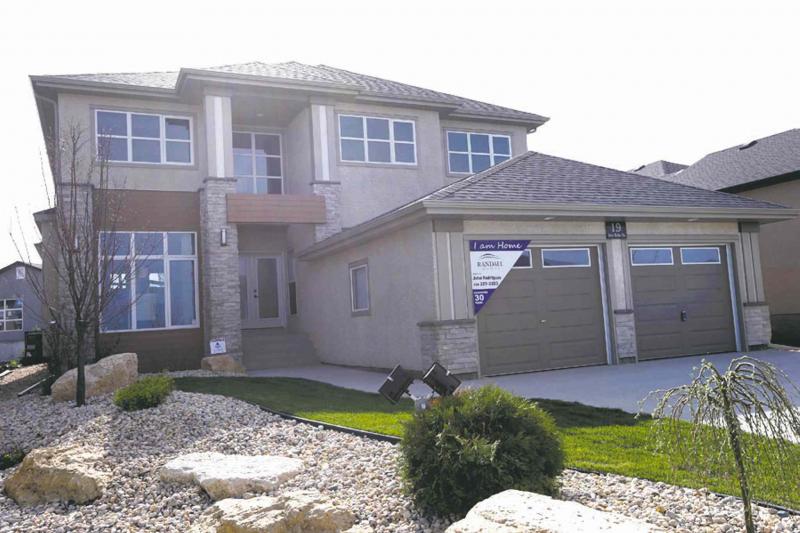
Housing starts in Manitoba and across the Prairies are expected to cut back on the throttle a bit in 2014 and 2015, but still be generally strong.
The Canada Mortgage and Housing Corporation released their updated forecast last week and the numbers were anticipated and reassuring.
The regional projections cite a decline in net migration from record levels in 2013, and a growing inventory of existing housing stock, as primary reasons for the reduction in starts.
Not surprisingly, Alberta will still experience growth, primarily due to the rebuilding of Calgary. Edmonton will cool off by 12 per cent over the next two years from a record 2013. Starts in Saskatchewan will decline by 10 per cent but, then again, there is no way that Regina or Saskatoon could be expected to maintain their torrid pace of growth over the past two years.
New-home starts in Manitoba are also expected to decline by double-digit proportions in 2014 before bouncing back slightly the following year. This will primarily be outside the Winnipeg CMA where reductions will be half what is occurring elsewhere in the province.
So, the Prairie numbers seem to reflect a trend that is happening across the country: an easing from record highs in 2012 and 2013 to more historically consistent numbers.
Part of the reason for the recent cooling-down period has been attributed to the government's tightening of mortgage lending rules. Mortgage insurance is required when the buyer is purchasing with less than 20-per-cent equity. The same rules apply for second homes. Private mortgage insurers are expected to pick up most customers not working with CMHC.
Within Winnipeg, it appears to be business as usual. There will still be a need for more than 2,000 single-family detached starts and even more in the multi-family sector. This group appears to be a bit of an anomaly. Although there will be an increase in existing inventory, there will also be an increase in demand. This is attributable to a demographic profile of growth among younger households and older households looking to downsize.
The resale market will continue to grow to more than 12,000 transactions in each of the next two years, thereby providing ample choice. Average prices are expected to reach $285,000 in 2015, further exemplifying the value of your home.
Mike Moore is the president of the Manitoba Home Builders' Association.

New Homes
Are young better or worse off than parents?
I'm not sure why, but there's a pervading school of thought that millennials are finding life much tougher than their parents, are having trouble securing a job and are holed up their parent's basement until they are financially stable.
According to a recent BMO report, this is not true. As a matter of fact, they may be better off than their parents.
For the sake of this discussion, the millennials are those in the 25-to-34 age bracket. The comparative years for their parents were in the 1980s.
One argument is that jobs are easier to find now than in the 80s. Remember, there was a recession at the start of that decade and unemployment carried on for a few years afterwards. According to Statistics Canada data, the unemployment rate and duration of unemployment were both higher in the mid-80s than today.
Similarly, better-educated young people today have a median income that is two-per-cent higher (all figures adjusted for inflation) than their parents. To be fair, median income did fall in the early 80s from the more prosperous late 1970's. It's also important to note that median income fell again in the mid-1990s.
In that vein, young families in this age group are considerably wealthier than their peers 30 years ago when it comes to income. However, on the down side, more young families owe more today than in their parent's time. A higher proportion have debts (2.4 per cent) and mortgages (6.4 per cent). It's also probably fair to say that there is more student debt today as well.
Largely due to external, government-imposed charges, the cost of housing is considerably higher relative to the median wage rate now than it was 30 years ago. The Toronto and Vancouver markets badly skew national figures, driving national averages skyward. These numbers are not broken down by BMO regionally, but it's fair to speculate that the costs and averages vary from province to province.
On the other hand, mortgage rates are considerably friendlier now than in the early 1980s. Young people have been able to lock in for five years at rates unheard of by their parents, who are able to tell horror-stories of rates that were above 20 per cent in 1981.
Our 25-to-34 generation appears to be well on their way towards taking over and doing just fine financially. There will be bumps and hurdles, but their time is coming.
Mike Moore is the president of the Manitoba Home Builders' Association.


New Homes
First-time buyers feeling the financial pinch
The housing market in Winnipeg and throughout Manitoba is healthy, but it could be better.
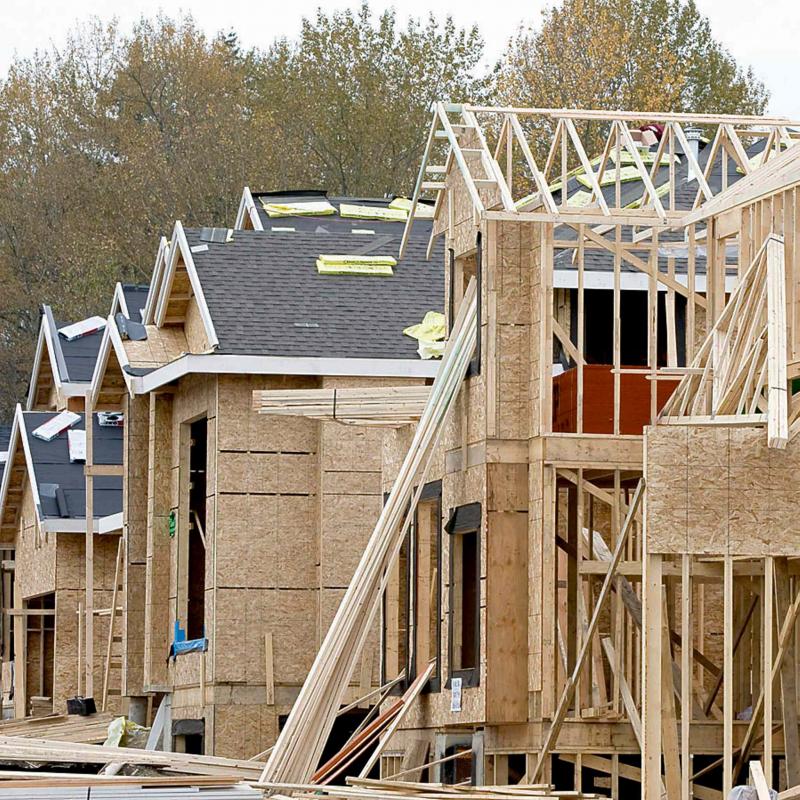
New-home construction in the past few years has been happening at record rates, but will definitely cool down a bit this year -- it almost has to in order to catch up with demand.
Similarly, all reports from the Manitoba and Winnipeg realtors' associations indicate that demand is still far exceeding supply and we remain a seller's market. Winnipeg has less than half of the listings per capita that both Saskatoon and Calgary enjoy. Demand is especially high in certain neighbourhoods where you seemingly have only to mention that you're thinking of selling your house to have lineups forming to place an offer on it.
Winnipeggers are famous for clinging to familiar neighbourhoods, generally where they were born and raised. Perhaps it's a resistance to change; perhaps it's just a certain level of comfort.
For the person with the means to live where they want, it's the price of choice. However, numerous other factors may negatively impact the most vulnerable homebuyer; the first-time buyer.
Generally, but not always, the first-time buyer is younger and just getting started in the working world. Single or married, they may have been renting for a few years or just living with their parents while they saved enough money for a down-payment. This is where the problems start.
Canada Mortgage and Housing guidelines require that a homebuyer must have five per cent of the total selling price for a down-payment in order to qualify for a mortgage. Although this may be true on paper, there are numerous reported examples of first-time homebuyers who cannot get mortgage loans even when they have the necessary down-payment and can demonstrating that they are able to make their monthly payments. In many cases, their financial institutions want more than five per cent.
Other initial costs can also impede the first-time home buyer. Manitoba's Land Transfer Tax has long been a thorn in the side of the Winnipeg realtors. Originally designed to be revenue-neutral, covering just the administrative costs of changing a property title, this tax now averages more than $3,000 per home sale.
We need to create incentives to encourage Manitobans to stay in Manitoba, rather than throw impediments in their way and perhaps lose them to another city or province. We need to combine our resources to assist the first-time homebuyer, not discourage them.
Mike Moore is the president of the Manitoba Home Builders' Association.