Renovation & Design




Renovation & Design
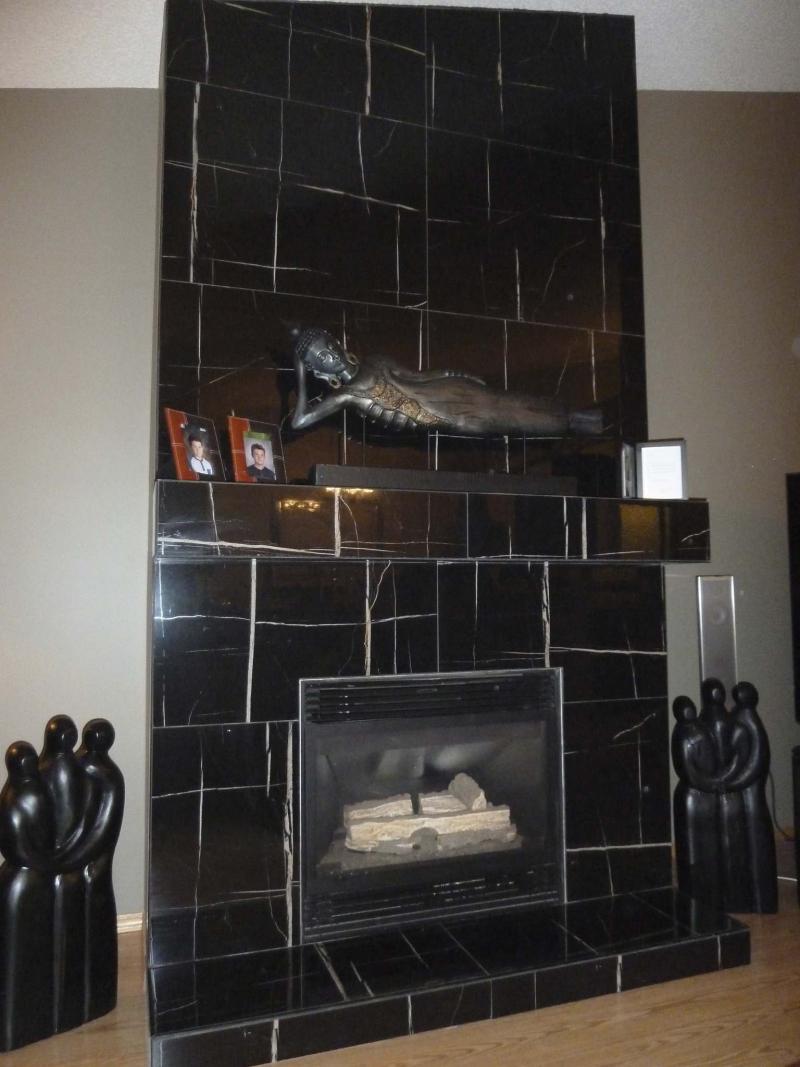
Sealing needed after replacing gas fireplaces
Question: I’ve changed two gas fireplaces in my home that were B-vented and replaced them with direct-vent units. I’m now hearing what I think is water dripping from condensation in the old venting. Would it be wise to get a stainless steel chase cap for the roof?
— Thanks in advance for any advice, Randall.
Answer: Any time you are concerned about moisture intrusion not directly attributable to precipitation or snow buildup, it should be dealt with ASAP.
It is likely you are hearing melted frost or dripping condensation in the abandoned chimney vent or flue, and sealing it at the top and bottom should stop the problem.
Converting older fireplaces to more modern ones is becoming more popular, primarily due to the ease of installation of newer direct-vent units. Even older natural gas units such as yours have a limited life expectancy. Often, the issue may be more about safety than performance when upgrading.
Many older gas log inserts were designed and installed with a safety defect. The gas valve and piping may have been installed too close to, or directly beside, the burner. While the implications are obvious, some of these older models may have since been modified to provide more safe operations. Regardless, most new gas fireplaces vent directly out the rear of the unit, which eliminates issues with tall chimneys.
The problem does arise in homes like yours that may still have a double-walled metal chimney, or B-vent, sticking up through the roof. This could also be installed inside a more traditional masonry chimney, with a rectangular flue. Determining which type of chimney you have, and the location, may have considerable bearing on how you deal with the condensation issue.
If you have a simple B-vent going up through the attic and exiting the roof, there may be two options to take to eliminate the condensation issue. The best option may be to completely remove the chimney, repair the roof where it used to protrude and seal and insulate the attic floor. Sealing the roof may depend on the age and condition of your roofing.
If you have older roofing that needs replacement, chimney removal and patching of the roof at the time of upgrading is a no-brainer. If you have newer shingles, repairing a small hole after the chimney and flashing are gone may be relatively easy for an experienced roofer. Since the shingles are relatively new, finding the same make and style may be possible, to ensure the esthetics of the roof are maintained. Patching a small hole in the sheathing should not be that difficult, whether it is older solid planks or newer plywood.
The more difficult part of the repair is patching and properly air-sealing the floor of the attic.
Once the B-vent is completely removed, there will either be a hole in the drywall or plaster ceiling on the upper floor of the home, or an opening in the attic floor, which may continue through a chase all the way to the basement. Patching a hole with sheathing may be relatively straightforward, but may require climbing into the attic. Once this is achieved, patching the polyethylene air/vapour barrier and/or blowing a few centimetres of foam insulation above will be critical to achieving a good seal. Additional insulation may be applied over the finished opening to complete the job.
If the metal chimney goes through the walls of the home through a chase, sealing the bottom of this will also be warranted after removal of the old vent.
This could be completed by partially blocking the chase with batt insulation at the lowest area, often the basement, and then sealing with further material. A piece of rigid extruded polystyrene may be the least costly option for this task. Alternatively, a few cans of blown-in foam may be used, but may require several applications to ensure proper adhesion to the entire area. This part of the job may not appear to be that important, but may prevent the "stack effect" from forcing warm, moist air into the attic, even if you have sealed the floor relatively well.
The second alternative may be to leave the current vent in place and simply seal and cap it at the top and bottom. While you have asked about capping it above the roof, that will be required but may only be half the job. Sealing it above the roof line may only require partially plugging the flue near the top, after removal of the rain hood. Once blocked, a can or two of foam insulation should be blown in to air-seal this area. A round, galvanized metal cap may be available for purchase at your local home centre or heating supply wholesaler, which will finish the job and prevent precipitation and pests entering the abandoned chimney.
The more complicated part is sealing the old vent at the bottom. If this part of the flue is still visible in the basement, or inside a closet or chase, sealing may be easy, as previously described. If it is hidden, then opening up a wall or ceiling may be required to access the bottom of the old pipe. Once exposed, it should be sealed similarly to the method used above the roof. If this is not done, warm air may still enter vent, condense and freeze where the pipe is exposed in the cold attic.
Preventing actual or perceived condensation inside an older, abandoned B-vent fireplace flue will require proper capping and sealing, as you suggest. The key is to ensure both the top and bottom are sealed to completely prevent warm air intrusion and frost from forming inside the cool vent.
Ari Marantz is the owner of Trained Eye Home Inspection Ltd. and the past president of the Canadian Association of Home & Property Inspectors — Manitoba (cahpi.mb.ca). Questions can be emailed to the address below. Ari can be reached at 204-291-5358 or check out his website at trainedeye.ca.
trainedeye@iname.com
Renovation & Design
Dish soap is useful for cleaning more than just dishes
Question: I have an antique buffet in the kitchen with a beeswax finish. As a result of Thanksgiving, I have a turkey grease stain on it. I tried removing it by rubbing beeswax on it, but the stain is still there. Any suggestions? Thank you.
— Caroll
Answer: Dish soap is a great product for removing stains on wood surfaces; it is mild, does not contain bleach and is formulated to cut through grease. If this is not successful, try wood cleaner from your local hardware store.
Question: I have a side-by-side fridge/freezer. Today I was cleaning it out, and when I took off the top of the crisper drawer and turned it over it was very stained. I do know that, sometimes when I put fresh veggies or fruit into the crispers they breathe, creating condensation on the underside of the glass, but I didn’t really think anything of it. How do I get rid of the stain?
I was washing the glass in warm water and dish soap, then tried a bit of borax and then soaked a paper towel with vinegar and laid it on the towel for a few minutes, all with small results.
— Laurie
Answer: The discolouration you are describing is very common in fridges. You are on the right track using mild products such as dish soap, water and borax, but it is the cloth that you use that will make all the difference in the world in terms of cleaning ease. Use a green scrubby pad or a plastic scrubby pad, something with abrasion; otherwise, this project is going to be long and tedious. Consider putting a rubber shelf liner or tea towel on the glass, creating a barrier between the container and the glass.
Note: Every user assumes all risks of injury or damage resulting from the implementation of any suggestions in this column. Test all products on an inconspicuous area first.
I enjoy your questions and tips, keep them coming. Need a Presenter on the topic: Effective Speaking or The Power of Words? Check out: Reena.ca