
Resale Homes
Resale Homes
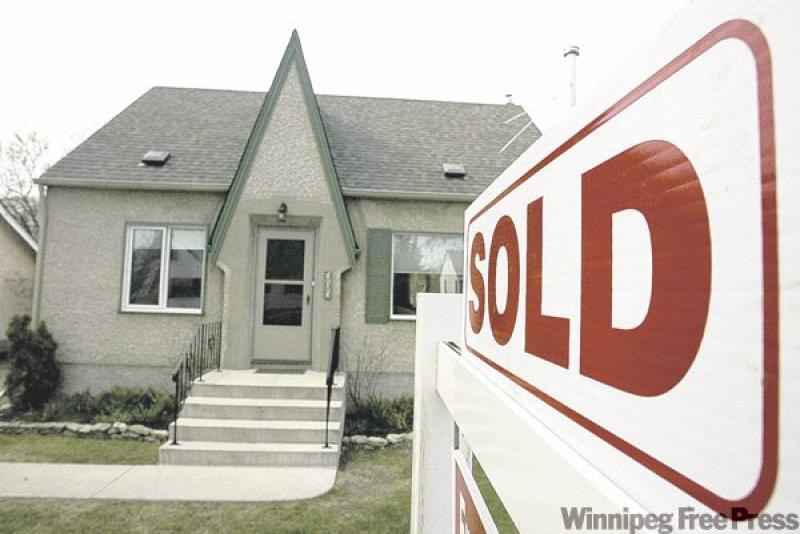
Sold
North Kildonan
Address: 365 Douglas Ave.
Asking Price: $159,900
Sold Price: $185,000
Taxes: $2,471
Square Footage: 1,080
Bedrooms: 3
Bathrooms: 1
Lot Size: Pie-shaped
Listing Agents: Geoff and Regan Archambault, Century 21 Advanced Realty, 997-1761
North Kildonan
Address: 285 Glenway Ave.
Asking Price: $144,900
Sold Price: $145,000
Taxes: $1,465
Square Footage: 1,150
Bedrooms: 3
Bathrooms: 1
Lot Size: 43 x 115
Listing Agents: Geoff & Regan Archambault, Century 21 Advanced Realty, 997-1761
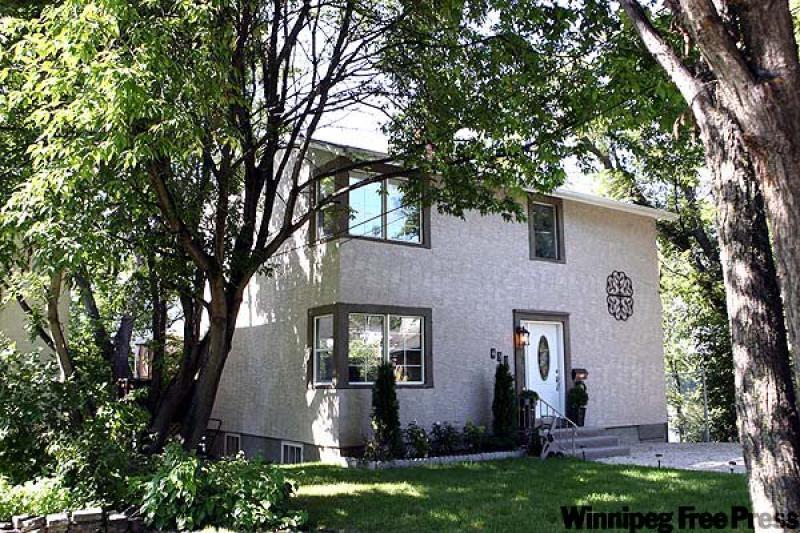
River Heights
Address: 411 Campbell St.
Asking Price: $289,900
Sold Price: $285,000
Taxes: $3,088.69
Square Footage: 1,265
Bedroom: 3
Bathroom: 2
Lot Size: 40 X 120
Listing Agent: Arlene Johnson, RE/MAX Executives Realty, 987-9800
Downtown
Address: 508-340 Waterfront Drive
Asking Price: $350,900
Sold Price: $350,900
Taxes: n/a
Square Footage: 1,193
Bedrooms: 1
Bathrooms: 1
Listing Agent: Sheldon Zamick, Sutton Group Kilkenny, 291-8403
St. James
Address: 292 Berry St
Asking Price: $159,900
Sold Price: $163,000
Taxes: $1,733
Square Footage: 1,280
Bedrooms: 4
Bathrooms: 1.5
Lot Size: 34 x 130
Listing Agent: James Born, Newman Greenberg & Assoc., 784-3555
Offered at...
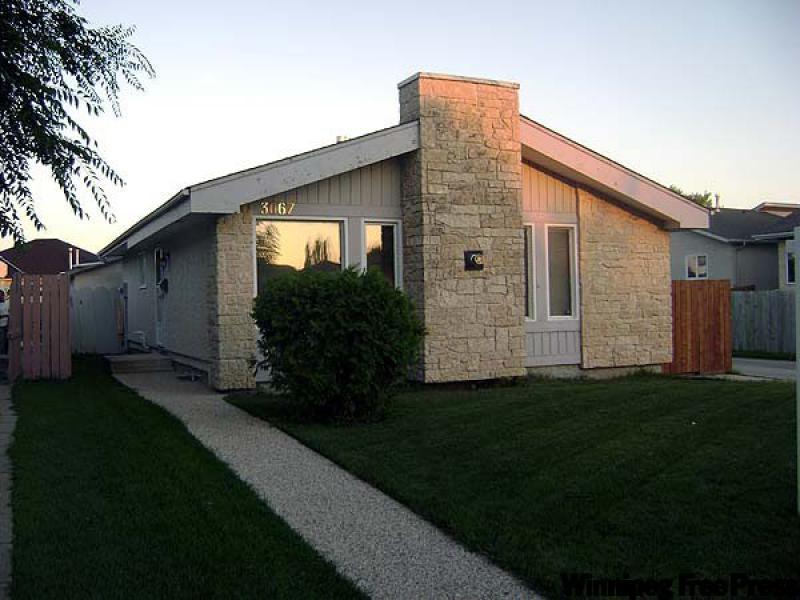
Southdale
Address: 67 Dayton Dr.
Asking Price: $279,900
Taxes: $4,093
Square Footage: 1,915
Bedrooms: 4
Bathrooms: 3
Lot Size: 50 x 105
Listing Agent: James Born, Newman Greenberg & Assoc, 784-3555
North Kildonan
Address: 671 McIvor Avenue
Asking Price: $419,900
Taxes: $4,728.32
Square Footage: 2,580
Bedroom: 3
Bathroom: 3.5
Lot Size: 109 X 199
Listing Agent: Arlene Johnson, RE/MAX Executives Realty, 987-9800

Resale Homes
U.S. used home sales reported higher in July
WASHINGTON -- Sales of existing homes in the United States rose 3.1 per cent in July, easily beating Wall Street's expectations, as buyers snapped up deeply discounted properties in parts of the country hit hardest by the housing bust.However, the number of unsold properties hit an all-time high, the latest indication that the worst housing market slump in decades is far from over.
The National Association of Realtors reported Monday that sales rose to a seasonally adjusted annual rate of five million units. Sales had been expected to rise by only 1.6 per cent, according to economists surveyed by Thomson/IFR.
Home sales were 13.2 per cent lower than a year ago and prices were down dramatically. The median price for a home sold in July dropped to US$212,000, down by 7.1 per cent a year ago.
Despite the third monthly sales jump this year, the number of unsold single-family homes and condominiums rose to 4.67 million, the highest number since 1968, when the Realtors group started tracking the data.
That represented a 11.2 month supply at the July sales pace, matching the all-time high set in April.
Sales were up in all regions of the country except the South, which posted a 0.5 per cent decline. Sales rose by 5.9 per cent in the Northeast, 0.9 per cent in the Midwest and 9.7 per cent in the West.
Analysts say that until the inventory level is reduced to more normal levels, the housing slump is likely to persist. The inventory level is being driven higher by a massive wave of mortgage foreclosures.
Despite the rise in sales, Lawrence Yun, the Realtors' chief economist, was reluctant to conclude that the U.S. housing market has hit bottom.
While buyers are pouncing on lower prices -- especially in places like California, Florida and Nevada -- sales are sluggish in formerly stable states like Texas.
"People are responding to lower prices," Yun said, but there is "too much uncertainty" about the housing market's future to mark a definite bottom.
One key unknown is the ability of mortgage finance companies Fannie Mae and Freddie Mac to supply money for loans. The two government-sponsored companies have cut back the availability of mortgages significantly as they cope with mounting losses from foreclosures and officials ponder whether to shore up the two struggling companies.
President Bush last month signed sweeping housing legislation that aims to prevent foreclosures by allowing an estimated 400,000 homeowners to swap their mortgages for more affordable loans, but only if their lender agrees to take a loss on the initial loan.
Even with government help, nearly 2.8 million U.S. households will either face foreclosure, turn over their homes to their lender or sell the properties for less than their mortgage's value by the end of next year, predicts Moody's Economy.com.
The Associated Press