


Renovation & Design

Renovation & Design

Big-box home design

Patrick Langston
January 21

Advertisement

Renovation & Design

Get with the times

Salmon-pink bathrooms, emerald-green shag carpeting and avocado kitchen appliances can really date a home. When a room is in dire need of a makeover, there are simple ways to update the look as well as extensive renovation options, depending on how much money and effort a homeowner is willing to expend.

There are myriad relatively inexpensive ways to bring a bathroom, kitchen or bedroom into the 21st century, beginning with a new colour palette and modern accessories.

For a complete transformation, however, more substantial elements of the space should be changed -- like cabinetry, countertops and flooring. It's all about what the homeowner needs, can afford, and how much return they're expecting from their investment.

Sometimes a simple change like a fresh coat of paint can spruce up an outdated room.

"Painting is one of those easy, inexpensive things that can be done in a few days and can have a significant impact on a renovation," said Frank Turco, senior manager of trend and design for Home Depot Canada.

"You're refreshing the walls, so you're also repairing holes and cracks, therefore enhancing the esthetics of the walls. And a fresh coat of paint is cleaner; it can hide odours."

Turco recommends changing the light fixtures in the room, another relatively inexpensive way to revamp a space.

"Lighting can impact a room -- it can make colours on a wall look lighter or darker, put attention on a focal point and create mood."

Wallpaper is also back, but not in a wall-to-wall fashion; Turco suggests papering just one wall for more visual effect. Homeowners can opt for printed wallpaper or new paintable wallpaper.

"If you want to create wainscotting, buy a chair rail for the middle of the wall and then paint it white or apply textured paintable wallpaper beneath it," he said.

Finally, update a space by changing the hardware and faucets. Again, this can be an inexpensive or pricey move, depending on the material and design of the accessories chosen.

Sometimes there's no way to renovate a room other than to completely gut it. If new countertops, vanities, cabinetry and flooring are on the to-do list, then it's time to start planning a major project.

Many homeowners decide to take the DIY plunge and go it alone. But when a renovation requires plumbing, electricity or other specialized work, it may be more advisable to hire experts. And managing a team of workers can be overwhelming, so hiring a contractor can become a valuable investment.

"Contractors can take over the headache," said contractor Albert Dayan. "If you try to be the contractor, then you have to hire an electrician, a plumber and a guy to lay ceramics -- you end up with 15 contractors. You lose time and money." Hiring a contractor eases that burden. "We do everything for the customer."

A contractor also knows where to get cost-efficient supplies quickly, Dayan said.

"I can see the end result before I even start working on a space, because I have more experience. I consider what the client wants and can help them choose everything. Because I'm a contractor, I have faster access and better deals on supplies."

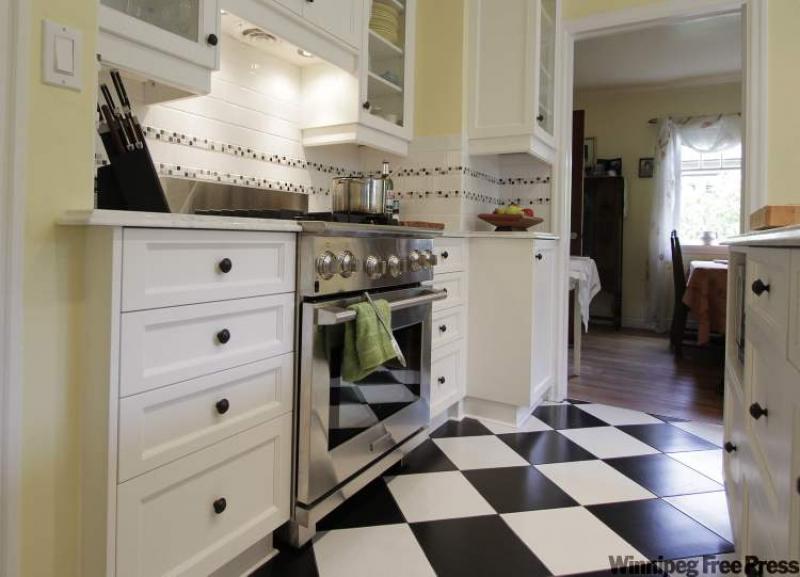
Sometimes gutting the entire space isn't necessary; Turco said kitchens, for example, can be renovated by simply revamping certain key elements.

"Some houses will have old, dated laminate countertops," he said, "but countertops today that mimic granite and stone can be sold pre-fab. Buy a 6x10-foot piece and edge finishing. It takes a little labour (considering the sink and faucet component), but it can completely transform the room."

Turco also suggests switching the tile backsplash. Tiles are relatively inexpensive and it's a pretty straightforward DIY project.

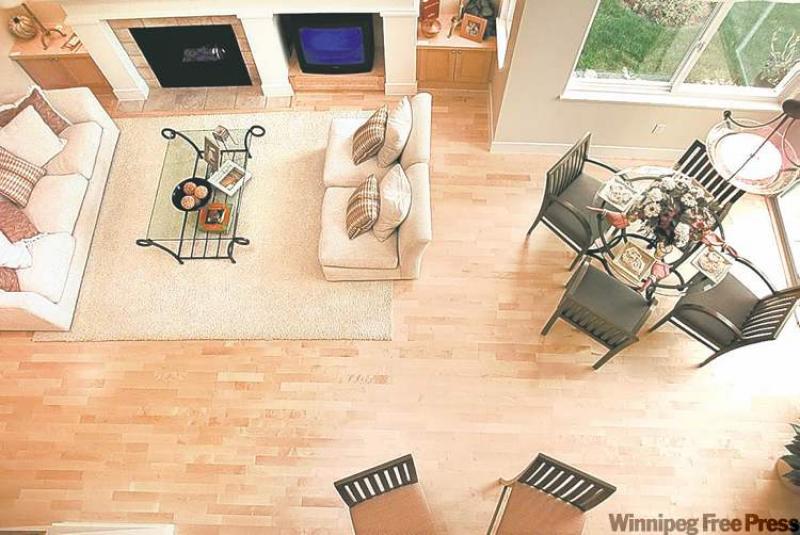
New flooring will also revive a kitchen.

"Vinyl may sound dated," Turco said, "but it has come back in a huge way. Today's vinyl (flooring) is amazing -- there's stone looks, outdoor paver looks, hardware plank looks; it's completely revolutionized but still very affordable and easy to install. Laminates are also easy to install and come in hardwood as well as stone looks."

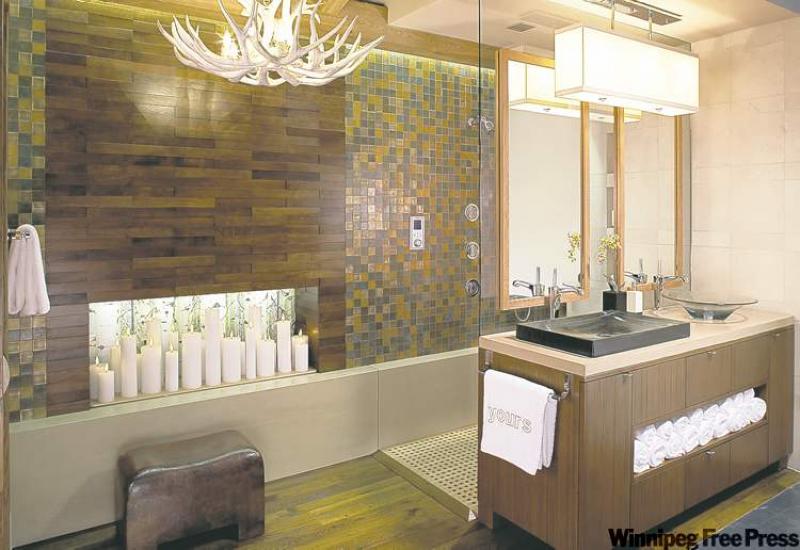
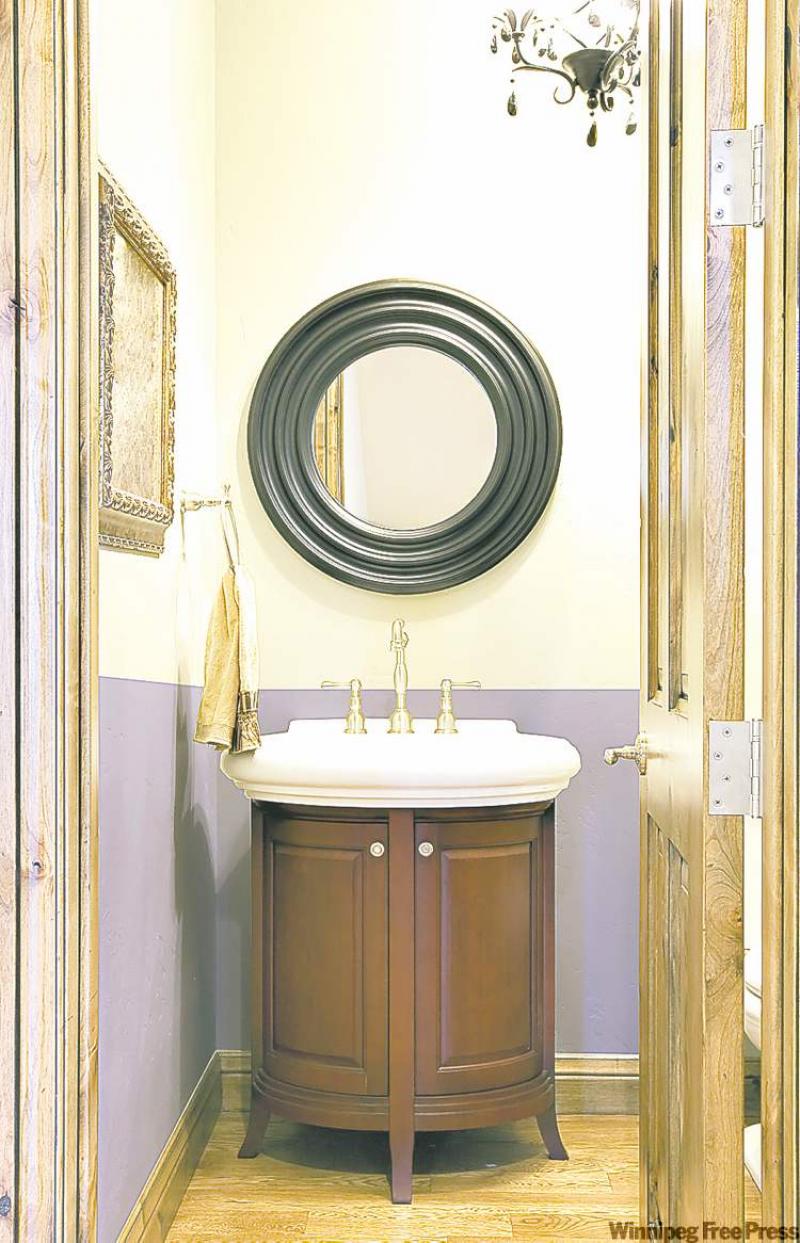
If you're renovating your bathroom, consider updating the vanity and bathroom accessories.

A renovation project can cost anywhere from a few hundred to a few thousand dollars, and many homeowners want to know whether their investment will pay off if they sell their home. A kitchen renovation almost always increases a home's value, as does a bathroom reno -- particularly the master bath.

"As long as the bones of the house are in good shape, I would recommend a renovation to bring up the value of the home," said realtor Meghan O'Donnell. "It really depends on the motive of the client and whether they need to sell quickly."

Which is not to say, of course, you should be updating your home only if you're planning to sell. After all, you live there now; make it the best place it can be.

-- Postmedia News

Some do's and don'ts of home renovations

Do go with a company that can provide licences and references. It's not uncommon for contractors to be asked for these.

Do make sure you've established a project budget.

Do take this opportunity to purge. Get rid of junk; the last thing you want to do is renovate for your old junk.

Do think about what you want out of your renovation. If you need a home office, incorporate one into your plan; if you're a baker, have a functional baking area in your kitchen. Think about your lifestyle and make sure the renovation fits your needs.

Don't be afraid to think outside the box. Look through magazines and get inspired. Even when something might appear unattainable, don't be too quick to discard it; give it a chance and you might find a way to make it work.

Don't think of immediate needs, but consider the long term. This is especially true if you're planning to stay in your home for a while. What are you going to need five years from now, for example?

Don't be afraid to overspend, provided it's reasonable. If you're talking four to 10 per cent over budget and, at the end of the day, it's going to make you and your family happy, then it just might be worth it.

Don't forget to take advantage of free services. Talk to the associates at stores like the Home Depot and other hardware/building stores. There are experts there with knowledge in the field and in the industry.

Jennifer Cox
January 21

Renovation & Design

ASK THE INSPECTOR: Let's vent on best way to improve air flow

QUESTION: We own a two-storey detached home built in the early '70s. We installed a high-efficiency furnace three years ago and noticed paint peeling from the soffits around the southern-facing side of the home shortly thereafter, as well as shingle damage. We have replaced the roof shingles and added additional roof vents but, during the process, noticed the second-storey wall of the house extends up to the roof between the attic and the soffit. This creates a triangular space running the full length of the house.

Some have said ventilation holes should be created through this wall to allow better air circulation. Can you please comment? Glyn Allen

ANSWER: Adding attic ventilation can often be a fairly simple task, but sometimes is tricky when you have a complex roof system. One thing that should rarely be attempted is to increase attic ventilation by putting holes or vents in walls, either interior or exterior. While the explanation for this may be quite complicated, it should be relatively easy to remember not to put vents in house walls.

Before we explore this issue further, I should add one exception to my earlier statement. The one area it is acceptable to install vents on an exterior wall is at a gable end, which is the triangular area under the peak of a gable roof. The reason this is acceptable is that this wall is not really a wall of the house, but the outside wall of the actual attic space.

There is debate about the effectiveness of gable vents, but I have found they can prevent some issues like you have experienced, especially in older homes with limited or no soffits. In that situation, installation of gable vents may be the only way to get reasonable airflow to allow proper ventilation of typical roof vents.

From your description, the triangular wall you are describing should be wedge-shaped and run above the lower part of the main-floor portion of the house. Other than the very top of this area, the wall has no connection to the upper floor attic. If you cut any openings or holes in this area, you will compromise the building envelope and leave the wall open to potential moisture damage.

If you have been successful in adding enough new soffit vents at the bottom of the upper floor roof, along with a sufficient number of roof vents near the peak, you will not need to touch this side area. If the soffits were filled or blocked with insulation in the attic, or the soffit ventilation is inadequate, a small vent may be possible at the very top of this gable end. However, this can only be verified by looking in the attic to ensure this location is proper.

There is a chance I am not interpreting your dilemma correctly, but I have seen many homes, often split-levels, with this type of roof configuration. If your home has a more complicated structure, then it may be even trickier to determine whether gable vents are warranted.

If there are any dormers, ventilation of the attic above those areas can be even more difficult, depending on design. Often, dormer roofs may be a lower slope than the rest of the home and may have limited room at the eaves for insulation and vents. In those cases, premature deterioration to roofing will be likely if major repairs are not undertaken. These can be done from the exterior when the roofing is upgraded, which may leave you out since you have recently changed the roofing.

To avoid a lengthy discussion about building-envelope issues, I will limit my comments to your question about attic ventilation. Having said that, there may be other factors at work that caused your roofing and moisture issues. Changing your furnace is one item you have noted that is definitely contributing to the problems. As well as improving the exterior and attic components, you should also strive to make changes in the interior of your home. These changes should primarily be lifestyle-related to reduce the relative humidity inside the living space.

Since you have tightened the building envelope in your home by eliminating the chimney from the old furnace, you are now keeping more warm air inside the living space. Within this warm air may be a considerable amount of moisture, which is leading to many of the problems you are experiencing. You will have to make a stronger attempt to reduce or remove the moisture from the living space. This can be done by using bathroom and kitchen exhaust fans more frequently and for longer periods of time to mechanically remove the damp air from those problematic areas. Also, setting the fan on your new furnace on continuous low speed will also help dry the air.

While it may have minimal impact, positive or negative, adding a gable vent is not done very often anymore. Cutting any other holes in exterior or interior walls to attempt to add ventilation to an attic will not only fail to achieve that goal, it may cause major damage. Improving existing ventilation at soffits and on the roof is the proper way to prevent further problems, so you may ignore recommendations that suggest otherwise.

Ari Marantz is the owner of Trained Eye Home Inspection Ltd. and the President of the Canadian Association of Home & Property Inspectors -- Manitoba (www.cahpi.mb.ca). Questions can be emailed to the address below. Ari can be reached at (204) 291-5358 or check out his website at www.trainedeye.ca.

trainedeye@iname.com

Ari Marantz
January 14

Renovation & Design

SOLUTIONS: Pens and refills spell frustration for writer

QUESTION: I use pens that take refills. The last two worked for awhile and then stopped working. The store clerk suggested warming them; they worked briefly and then stopped. Is there anything else that I can do? Refills aren't cheap! Love your column, it is definitely a must-read! Dawn, Portage la Prairie

ANSWER: I agree that refills are not cheap. Since there are thousands of different types of pens and refills, your best bet is to contact the manufacturer of the pen instead of talking with the sales person. Warming the pen tip with a candle flame is typically the best way to get ink flowing but this should be longer lasting then a few uses (and risky as it could damage the pen tip). If the manufacturer does not give you a satisfactory answer, you may want to consider changing pen brands.

QUESTION: How can I remove shoe polish from carpet? Thanks. Norma, Winnipeg

ANSWER: Wash the area with heavy duty laundry detergent. If unsuccessful, apply glycerine and leave for one hour. Wash with warm water. When shoe polish stains won't budge, clean with one of the following: Rubbing alcohol, Goo Gone or Spot Shot for carpets these are great options.

QUESTION: I am not only getting tired of replacing numerous plug-in air fresheners around my home but it is also becoming expensive. Do you have a recipe for homemade air fresheners? Thanks in advance. Ruth, Winnipeg

ANSWER: Here is a very simple air freshener that you can make yourself. In a spray bottle mix half-cup rubbing alcohol, one cup water and 10 drops lemon essential oil. Spray room as needed. You can even add a few drops of this recipe to your vacuum bag. Also, placing sprigs of eucalyptus around your home will leave you with a nice aroma. Or put a bowl of vanilla in rooms that need freshening.

Another option is to purchase a catalytic lamp. Although a little pricey, it should last for many years. These fragrance lamps are said to actually purify the air, eliminate unpleasant odours and leave behind wonderful fragrances that will fill your home or office.

One more solution is beeswax candles -- what a wonderful scent when lit. This is another great way to make a room smell nice without adding a bunch of unhealthy toxins into the air.

Feedback from Manitoban Who Cares:

Dear Reena:

Regarding the subject of toilet paper in the Winnipeg Free Press on Dec. 10, 2011: What is the best toilet paper to buy to get the greatest bang for my money? My husband uses so much toilet paper, what a waste! Erma

This subject has bugged me for years. Not only does the quality come into play, but both the width and thickness become problems. I can't stand to see the recycled paper floating around in the bowl after a flush. Where is the saving when two or more flushes of water are required? Many times the width of the paper makes the roll look lost on my holder. It's irritating! The other week I purchased what I thought was good quality toilet paper with a pleasing thickness and softness. I was surprised to see that my toilet paper would not flush down, instead the paper was blocking up. Out came the gloves to remove the paper. The solution: use less paper so that both me and the bowl are happier. A.M.S., Winnipeg

Fabulous Tip of the Week:

-- Make your own gold cleaner: Stir together one teaspoon baking soda with half-cup water. Buff gold with a soft cloth. Always test on an inconspicuous area first.

Reena Nerbas is the author of the national bestselling Household Solutions series. Her website is www.householdsolutions.org You can contact her at Box 429, Blumenort, Man., ROA 0C0.

Reena Nerbas
January 14

Renovation & Design

Spa features create a luxurious bathroom

Debbie Travis / House to Home
January 14

Browse Homes

Browse by Building Type