
Renovation & Design
Renovation & Design
Turning your home into a green machine
Adopting an eco-friendly lifestyle is something many people do selflessly in an effort to protect the environment and ensure the generations to come have a healthy planet at their disposal.
But that same lifestyle can also pay instant dividends, helping homeowners save money and creating a healthier atmosphere in which to live. Homeowners can make several manageable changes around the house that can protect the environment without disrupting one's current lifestyle.
Clean green
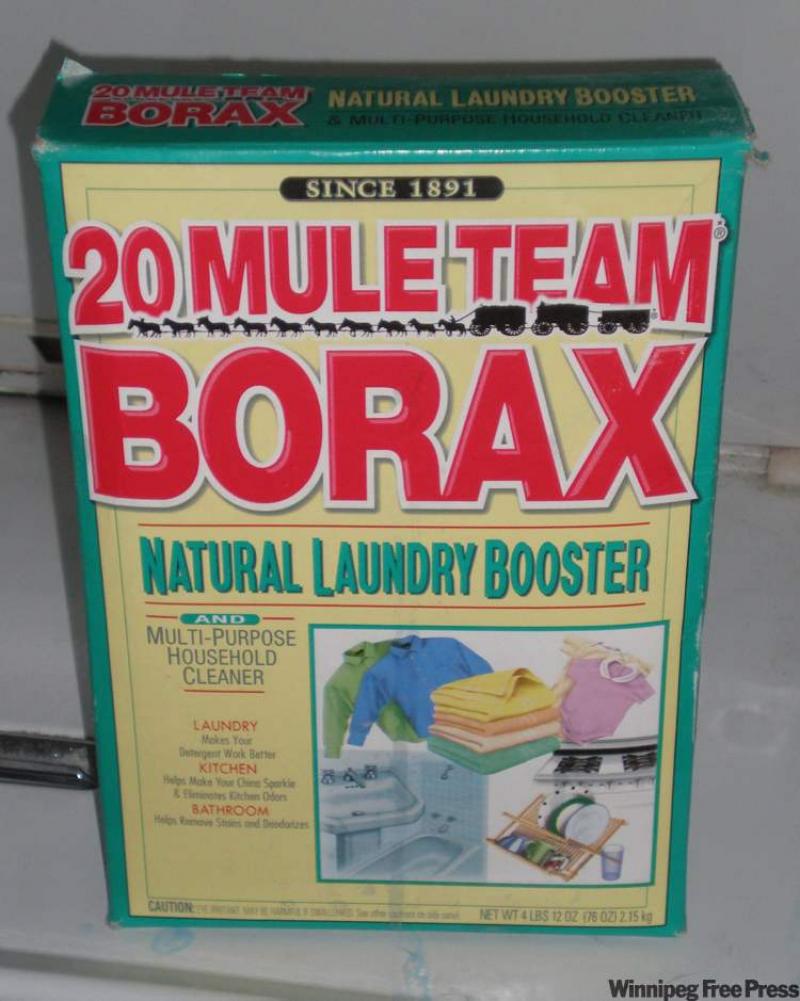
Instead of using harmful chemical cleaners when cleaning around the house, choose green cleaning supplies that don't release harmful chemicals or toxins into the air.
Paint with the planet in mind
Homeowners with painting on their to-do list should choose no- or low-VOC (volatile organic compound) paints.
Fix those drafts
Chances are, at this point in a long winter, homeowners are well aware of which rooms were warm and which might have had drafts. Visit those colder rooms and plug any air leaks around the house. This will result in a lower heating bill and could save substantial amounts of energy. For homeowners with attics, checking the attic for air infiltration should be done each and every year.
Explore alternative landscaping methods
Xeriscaping, a style of landscape design that requires little or no irrigation, can save significant amounts of water. If xeriscaping is a viable alternative, homeowners will save water while also reducing the use of potentially harmful pesticides and chemicals commonly used to keep lawns looking lush.
Go low-flow
If replacing shower heads, faucets or even toilets is on the to-do list, replace existing fixtures with low-flow models to save water and money.
Shop for sustainable materials
Sustainable flooring is growing in popularity now that going green has truly taken off. Search for wood that has been harvested in an environmentally friendly way. Sustainable flooring materials include bamboo and cork, which many homeowners find as aesthetically appealing as it is eco-friendly.
Double it up
Single-pane windows not only allow lots of external noise into the house, but they also contribute to heat loss in the winter, forcing residents to turn up the thermostat and waste more energy as a result. Installing double-pane windows will keep more external noise at bay and allow homeowners to minimize heat loss in the winter.
Unplug the appliances
Perhaps nothing around the house silently uses energy as much as a plugged-in appliance that's not being used. Certain estimates suggest as much as 40 per cent of a monthly utility bill is going toward powering home appliances that are turned off. While every home is different, it's a safe bet most homes can save energy by simply unplugging appliances that aren't in use.
-- Postmedia News




Renovation & Design
ASK THE INSPECTOR: Sometimes, beauty should only be skin deep
QUESTION: I live in a 92-unit bungalow condominium complex in Winnipeg. I have a heated garage with a concrete floor. Also, there is a concrete grade beam across the front where the garage door is located. When the garage door is closed, half the door is on this piece of concrete and half is on the outside adjacent to my concrete driveway.
Over the past couple of years there has been some surface breaking and small cracks in the concrete. Some small pieces have broken off but there is no evidence that the damage is going very deep in the concrete slab. I bought some cement patching compound and did a patch job which does not look too bad.
Can a grade beam concrete strip, that the garage door rests on when closed, be brought down a few inches and re-concreted so that it looks like new or will the whole grade beam have to be dug out and re-concreted? I sure hope that you can help me in regard to this matter. Bernard Palmer
ANSWER: I commonly see some deterioration to driveway or garage concrete slabs just below the vehicle door from moisture running down the door and collecting at the bottom. You have taken the right approach in patching this area, but anything beyond that may do more harm than good.
When the surface of any concrete component of your home becomes worn due to moisture, road salt or mechanical damage it should be patched to prevent further deterioration. This applies whether the surface is lightly spalling or there is significant cracking or damage. This patching should be done to prevent further deterioration from moisture that can seep into the exposed interior. This moisture can expand when it freezes and further push apart the damaged areas. A good patch job will also improve the look of the concrete, while improving the moisture resistance of the surface, but is not the primary concern. If left too long, structural damage to the concrete can occur, which will be much more costly to repair in the long run.
Cutting or altering concrete foundations or grade beams is not something to be attempted by homeowners, especially for purely aesthetic reasons. I can see little benefit to cutting any of the existing concrete for a repair, unless there is deeper damage than the small cracks and surface wear you have stated. Cutting the concrete may only provide a smoother surface, which can actually prevent adherence of patching material. An uneven section of concrete has more surface area than a smooth section and more nooks and crannies for the patching compound to bond. Other than proper bonding of the patching material, there is also a much more sinister reason not to cut the concrete.
The concrete grade beam for your garage is properly designed to carry the load of the garage walls and alteration, in any way, may compromise this function. Your grade beam is likely sitting on poured concrete piers, commonly called piles, which are the real support below the shallow grade beam. Weakening this short concrete wall by cutting it may cause it to crack between the piers, causing further damage. Also, steel reinforcing rods, or re-bar, are embedded in the concrete to add further strength. If the re-bar is installed near the top surface of the grade beam, cutting down a few inches to allow installation of new concrete may damage or completely remove sections of this important reinforcement. That will only further weaken the concrete and certainly lead to worse damage.
Another issue to address is the potential difficulty in attempting removal of even a small section of the concrete to allow proper forming for new topping concrete. Because the grade beam should be relatively flush with the driveway and garage pad, it may be next to impossible to remove a portion of the top. Cutting straight lines through the surface may be relatively easy with the proper saws and blades, but removal of the material in between may require use of pneumatic tools. Using a pneumatic hammer or chisel to bang away at the concrete is another way to cause serious damage to otherwise healthy concrete. Because a garage grade beam is normally less than a metre deep, there is the possibility of creating serious structural cracks from the pounding required to remove the top layer.
I understand your thinking that you may require a thicker layer of concrete than provided by surface patching for a proper repair, but in this case it does not make sense. Patching the deteriorated surface of the grade beam and any cracks may be all that is practical. Removing otherwise stable sections of the short foundation wall, just to replace it with a newer layer, will certainly lead to weaker concrete. The aesthetic result may also not be to your satisfaction, unless you order redi-mix concrete, which will also be overkill for this situation.
Having stated that your current patch and repair job "does not look too bad" leads me to believe that you have done a reasonable job. You may not need to go further unless the new patching compound crumbles, which is likely over time. If the patching continues holding strong, applying a clear sealer to the surface of the entire area of exposed concrete may also help prevent further water penetration.
Beyond that, any further repairs may not only be unnecessary but can be detrimental to the future integrity of the concrete.
Ari Marantz is the owner of Trained Eye Home Inspection Ltd. and the President of the Canadian Association of Home & Property Inspectors - Manitoba (www.cahpi.mb.ca). Questions can be emailed to the address below. Ari can be reached at (204) 291-5358 or check out his website at www.trainedeye.ca.
trainedeye@iname.com