
Renovation & Design







Renovation & Design
The sky is the limit for flooring options
Patterned carpet
Texture adds visual interest to flooring and manufacturers, such as Canada-based Krause, are offering carpet with a variety of embossed-looking designs. Made of nylon with a "kinked molecule" for better durability, the patterned carpet is available in a variety of patterns and colours, including Lucerne and Bermuda Dunes www.krauscarpet.com
Engineered hardwood
With our often dramatic weather changes, solid hardwood floors can become problematic. During cold weather, gaps can appear between planks, which is why engineered hardwood flooring is a popular choice for installers since it doesn't shrink and expand as much. Tarkett's Millstone Collection of engineered hardwood includes many different finishes, including maple wheat and maple slate. www.tarkettna.com
Broadloom
Fine wool broadloom is perhaps the ultimate in carpet luxury. Masland now makes its easy to take its wool broadloom and turn it into an area rug of whatever size you need. Just pick a style and colour -- such as asana or porcelain -- choose an edging of leather or cotton twill, and the size and Masland will custom-make it for you. www.masland carpets.com
Leather flooring
Nothing beats leather for sheer luxury and leather flooring is a great way to make a room the centrepiece of a home. Available in planks, leather can be as easy to install and click and go, or comes in nail or glue-down products. Torlys leather flooring comes in numerous leather finishes, including Modena Wine. www.torlys.com
Ceramic tile
Other than their durability, the largest advantage ceramic tiles have over other floor products, such as hardwood and laminate, is the immense variety of colours available. Also unlike woods and laminates, various colours and styles of ceramic tiles can be mixed and matched and/or cut and arranged to create unique designs. www.totem.ca
Vinyl
Old-fashioned felt-back vinyl has given way to more robust fibre-backed products such as Tarkett's sheet vinyl. The new material makes for a cushioned feel underfoot, while the latest patterns and designs are more realistic looking than ever, such as pompano tile (top right) and vogue tile. www.tarkettna.com
Slate tile
Natural stone tiles, such as slate, offer a texture and style that can only be found in a product that comes straight from the mountain to the home. Available in a variety of shades, slate tiles provide a natural look that goes well with both traditional and contemporary decors. Their high frost rating also makes them a good choice for colder areas. www.totem.ca
Laminate tile
This Terreco charcoal slate rectangular-shaped laminate tile from provides the best of both worlds. It combines the look and feel of a ceramic tile with the slate colour of a natural stone at a very affordable price. Better still, because the tiles are laminate flooring, they click together easily, making for simple do-it-yourself installation. www.qualitycraft.com
Renovation & Design
ASK THE INSPECTOR: Questions on central exhaust system's use
QUESTION: I am a regular reader of your column and I thought I would ask you about a system. We purchased a house that is about seven years old now. When we purchased it, we did not receive any information from the previous owner about the central exhaust system. It is connected to the two upstairs bathrooms, so the exhaust fans in those rooms do not work by the switch outside the rooms. We have been running the system year-round and wonder if we should be running it all the time like that. In the winter, we are exhausting moist air from the bathrooms but in the summer we are also exhausting air that we are cooling with our air conditioner. I have not been able to find out any information on the proper use of this central exhaust. What is the proper way to operate the system?
-- Terry and Melanie Voss
ANSWER: The central exhaust system in your home is quite a simple system that requires little maintenance or service. I will explain its purpose and how you should be using it in the summer as opposed to the heating season.
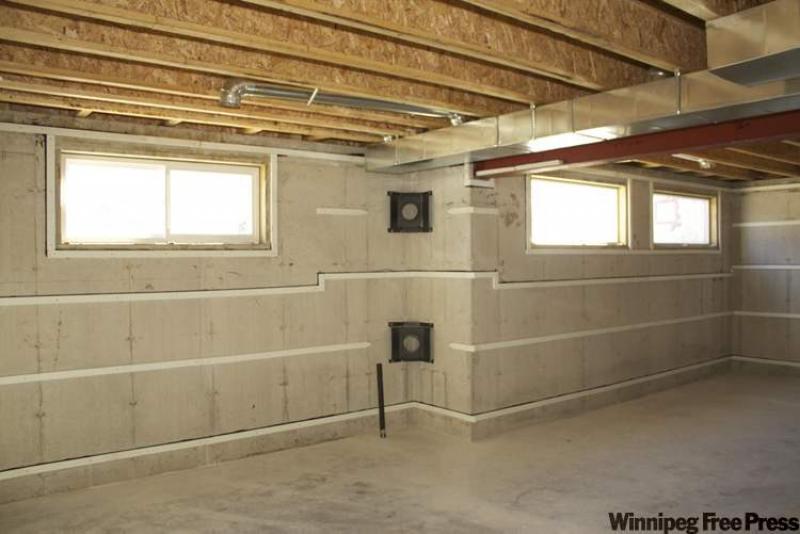
Unlike older homes that have individual exhaust fans in each bathroom, each with integral ducting and vent hoods to the exterior, your home has only a single fan located in the basement. This larger-capacity fan is connected to registers in each bathroom, and normally at least one more in the main part of the home. These registers are connected to ducting that terminates in the fan housing. From there, a partially insulated duct vents exhausted air to a hood on the exterior wall of the house or foundation. The purpose of this central fan is to remove excessive moisture and stale air from the home. It can also increase the influx of fresh air from the exterior if a fresh-air intake duct is installed in the basement or connected to the ducting for the furnace.
The main reason this single fan has replaced multiple bathroom exhaust fans is for simplicity and to better control relative humidity (RH) in the home.
Older homes may have two or three individual bathroom exhaust fans, typically mounted in the ceiling. These would have to be individually vented outside through the exterior walls or up through the attic. The ducting for each unit would have to be partially or completely insulated and sealed to prevent condensation and leakage.
These ducts and the vent hoods on the exterior would need periodic inspection and maintenance and would each be a possible entry point for pests or water into the home. With a single central exhaust fan in the basement, the ducting for the bathroom exhaust could be hidden in the walls and terminate in the basement where they are connected to a single duct and the fan housing. From there, one single partially insulated duct could be vented through the foundation or exterior wall between the floor joists.
This simplifies the entire system and requires only one penetration of the building envelope rather than several. Also, the vent hood for this fan will be located only a little bit above grade at the exterior, allowing easy inspection, cleaning and repairs. This is a major advantage over roof-mounted vent hoods that could be blocked or frozen without anyone knowing.
The other big advantage of this system improvement is the ability to minimize buildup of excess moisture in your home. New homes are built very tightly and have minimal air leakage through the building envelope.
For this reason, significant amounts of moisture can accumulate in the air inside the home. This moisture comes from normal daily activity such as showering, bathing, cleaning, cooking and respiration from the occupants. This damp air must be periodically removed from the home to prevent condensation, sweating windows, mould growth and other moisture issues.
Most central exhaust fans have individual switches or timers in each bathroom, but there should also be an additional control in the main area of the home. This is often located near the furnace thermostat and should ideally be a humidistatic control. If you have one of these installed, that is the way you should be controlling the central fan.
This humidistatic control should normally only be operated in the heating season and sometimes the shoulder seasons when your windows are normally closed. A typical winter RH inside the home is around 30 to 40 per cent and can be higher in the summer. If your main fan control has this range of numbers on the housing, turn the dial to the approximate number depending on the outside temperature. If the RH in the home exceeds this level, the fan should automatically turn on and exhaust enough house air until the RH drops below the desired setting. Some of these controls have an area of "normal operating range" rather than actual numbers and the dial should be set in this location during the heating season.
The final item to address is the use of this fan and control in the summer or continuous use in the winter. The humidistatic control, if you have one, should be turned off or to the maximum setting in the summer as soon as the weather warms enough.
Once you start to leave your windows open, or close them and run your air conditioner, the fan should be shut off. You don't want it to cause an influx of outside air this time of year, because it often has a higher moisture content than the inside air.
Also, central air conditioning will significantly reduce the RH in the home, so additional moisture reduction is not necessary when your A/C is in use. Your bathroom fan controls should still get rid of stale air when used and should be sufficient for indoor air quality issues.
In winter, you don't want to run the fan all the time, as that may cause the RH in the home to drop too low and your home will feel overly dry. If you don't have a proper humidistatic control or it is not functional, call a licensed HVAC contractor or electrician to install one for the proper use of your central exhaust fan system.
Ari Marantz is the owner of Trained Eye Home Inspection Ltd. and the president of the Canadian Association of Home & Property Inspectors -- Manitoba (www.cahpi.mb.ca). Questions can be emailed to the address below. Ari can be reached at (204) 291-5358 or check out his website at www.trainedeye.ca