Renovation & Design


Renovation & Design
SOLUTIONS: High-end dishwasher serves up problems
QUESTION: Our son recently purchased a new high-end Bosch dishwasher. Since then their glasses have become cloudy after washing. They have tried a variety of detergents -- what else might they do? Edna, Winnipeg
ANSWER: Soak etched glasses in undiluted white vinegar for 15 minutes. Or, wash dishes with warm water and concentrated dishwasher detergent. I noticed a big difference when I switched to Cascade powder detergent, liquid made my dishes foggy. Or run a dishwasher cycle of etched dishes with citric acid in the soap dispenser. If the film comes off, it is likely caused by hard water minerals, improper amounts of detergent, or unsuitable water temperature. If it's permanent etching, you can't make dishes clear again.
QUESTION: I enjoy your column in the Free Press and am wondering if you have any suggestions with respect to an obnoxious odour inside a stainless steel-lined Bosch dishwasher -- the unit is about five years old and is used approximately three times per week. I keep it very clean and always rinse and pre-wash the dishes before putting them into the dishwasher because I do not wash them every day. I have noticed this off odour after opening the washer if it has not been used for a day or so. Can you help? Leslie, Winnipeg
ANSWER: Dishwashers (much like washing machines) are made with airtight seals and therefore if the machine is left for a day or so, mildew begins to grow inside of the machine just like a wet cloth that sits too long.
Leave your dishwasher open a crack when not in use. Pour one cup of vinegar inside the dishwasher between cycles. For the ultimate clean once or twice a year, ventilate and use the product 'Iron Out' -- any rust or stains will disappear.
Clean out the filter; make sure the hose is not plugged or incorrectly installed or laying flat thus sending sewer gas odour into the kitchen. Clean out the seal around the dishwasher. Lastly, don't leave any dishes that have egg on them inside the dishwasher or the entire machine will smell.
QUESTION: I have a problem with cleaning something and was wondering if you could help me. My new canvas pillows on my outdoor chairs had bird droppings on them. I hosed them down with water and applied some shampoo to the white spots, washed them using a soft brush and let them dry in the sun. There are still white marks on them, very light but visible.
I took them inside, applied some hand soap to them, scrubbed them with an old wire dish washing scrub pad, rinsed them in the shower in warm water and set them out in the sun to dry again. The white marks are very light but still visible. Can you suggest something else that would work? I cannot remove the covers from the chair back pillows or the chair pillows that are sat upon. Thank you for any help you can provide me. Sincerely, Jo-Ann, Melita
ANSWER: Sounds like you have been busy! Be careful when using regular hand soap to remove stains; doing this can actually set stains. Rinse and blot all areas with water. Next blot mess with three per cent hydrogen peroxide (test on small area first). Leave for one hour. Blot and rinse with water. If stain is noticeable spray with WD-40, blot and rinse with dish soap and water.
Feedback from caring Manitoban:
This is to 'Brady in Tyndall, Manitoba' who was concerned about the well water turning the clothes brown from the rust in the water.
Although many iron removers available on the market may do the job, some don't do as well as they advertise. It depends on the 'grains' of hardness in the water, not only from the iron, but other minerals. I would highly recommend the Kinetico system. Twin tanks do not require any electricity to operate; regeneration is automatic only when required but does so using already soft water; easy to maintain, etc. Only thing: it's not cheap, but does a great job of removing iron. André, St. Andrew, Man.
Fabulous tips for choosing sun block:
-- SPF: Sun Protection Factor, in theory means, the higher the number, the greater protection.
-- The American Academy of Dermatology recommends wearing an SPF of 15 or higher for maximum protection. SPF is available in levels from 2 to 60. An SPF of 50 only provides one per cent to two per cent more protection than an SPF 30.
-- For water activities, choose a sunscreen that is waterproof with the claim of providing protection in the water for 80 minutes, (water resistant" provides only 40 minutes of protection).
Reena Nerbas is the author of the national bestselling Household Solutions series. Her website is www.householdsolutions.org You can contact her at Box 429, Blumenort, Man., ROA 0C0.




Renovation & Design
SOLUTIONS: Diet Pepsi can take old carpet off cement
QUESTION: Do you have any wonderful solutions for removing outdoor carpeting from cement steps? The carpet on the steps at my front door is in tatters and I need to remove it, and then replace it. Thank you, I love the information that you're putting out there. Gail, Winnipeg
ANSWER: You can either pour hot water onto the area and scrape it, or pour Diet Pepsi over the carpet, making sure the seams are soaked, then peel the carpet off the cement. Either way, time and elbow grease are required.
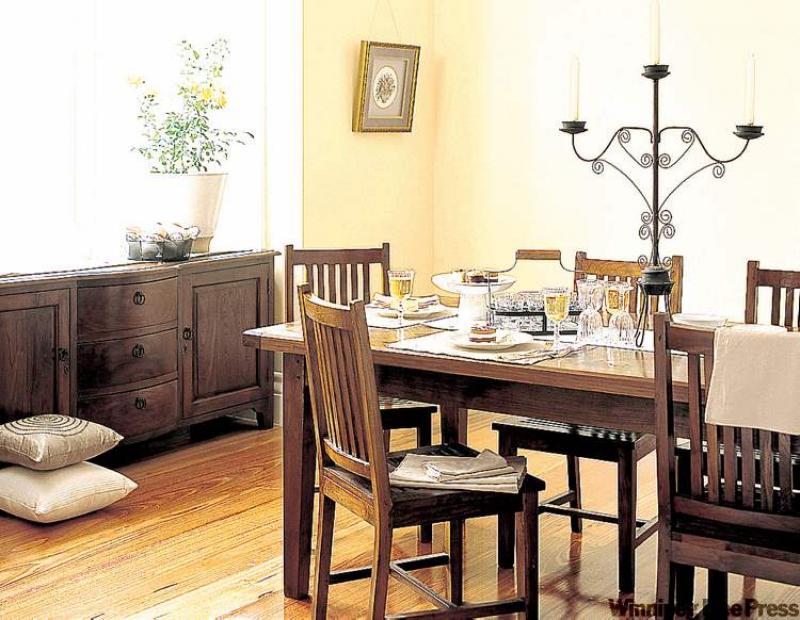
QUESTION: My oak dining-room table has two large white marks, which I believe were made when someone either placed a hot pizza carton on the table or spilled a glass of water. This happened during a reception after my wife's funeral and I did not notice it until the next day. Do you have any suggestions on how to remove the spots? Thanks. Peter, Winnipeg
ANSWER: I am sorry, very sorry to hear about your wife. The first solution I would try is to smear the area with mayonnaise and wait for an hour. Wipe the area and check if the stain is gone. If the stain remains, cover the spot with a tea towel and press it with a hot iron to draw out excess moisture in the wood. If neither solution is successful, you'll have to refinish the table. Warmest wishes.
Update from Peter: Thank-you ever so much for your sage advice on removing the white stains from the oak dining-room table. As you suggested, I applied mayonnaise (with olive oil) and left it on the stains for an hour, then wiped it off. Better, but the stains were still visible. So I followed your second tip and laid a tea towel over the spots and ironed (no steam). Voila -- the spots disappeared like magic. Thanks for helping me become a better housekeeper.
QUESTION: I really enjoy reading your column and your very practical solutions to seemingly impossible situations. We have one that I have not seen in your column. We noticed some spruce gum on our outdoor furniture fabric. We were wondering if you have a solution for removing it. We have tried laundry soap and spot remover. Neither one seemed to do the trick. If you have any solutions for this it would be greatly appreciated. Thank you. Ron, Winnipeg
ANSWER: There are a number of solutions for removing spruce gum from patio furniture fabric; be sure to test each substance on an inconspicuous area first. Try one of the following: Paint thinner, turpentine, mayonnaise, nail-polish remover, Goo Gone or WD-40. After removing the spruce gum, apply dish soap and water to the area so that no stain remains.
Feedback from Caring Manitoban:
I enjoy your column and often use your ideas, so I thought I would contribute an update for your column in the Winnipeg Free Press on Saturday, July 9.
I learned from an Egg Marketing Board source that eggs should not be boiled -- boiling may toughen them. The preferred method is to cover the eggs with cold water, cover the pot, and bring to a boil. Immediately remove from heat and let stand, covered, for 15 minutes. Then put the pot in the sink, pour out most of the hot water and refill with cold water, letting the cold water run until the pot is no longer hot to the touch. The eggs can sit in the cold water for a little while, then remove them from the water, use or refrigerate for later. Perfect!
I've modified this to make soft-cooked eggs by letting the eggs stand in the just-boiled water for between two and three minutes. I hope you don't mind my intrusion! Jeanie, Winnipeg
Fabulous Tips of the Week:
-- Hi Reena, I thought everyone knew about tearless onion chopping, but in case some are still weeping: when a large onion needs to be cut up or chopped, don't cut off the root end of the onion. Just slice and dice the onion from the top until you hit the root end. No tears -- guaranteed. Pat
-- Wrap a rag or cloth around the end of a pencil eraser to clean window corners.
-- Use a lint roller brush to remove dust, dirt and lint from wire screens.
Reena Nerbas is the author of the national bestselling Household Solutions series. Her website is www.householdsolutions.org You can contact her at Box 429, Blumenort, Man., ROA 0C0.