

Renovation & Design

Renovation & Design

Smoke and mirrors

Room for Change: Connie Oliver
March 29

Renovation & Design

Pop the cork

House to Home: Debbie Travis
March 29

Advertisement

Renovation & Design

Old arborite counter losing battle against stains

QUESTION: My arborite counter is almost 14 years old. When the counter was new it resisted all stains (to my joy). Now that it is older, stains seem to be more powerful and harder to clean. I am not willing to replace the countertop; do you have any suggestions for renewing the surface? Tracy, Winnipeg

ANSWER: High-pressure decorative laminates such as Arborite brand are popular however, stains on laminate are sometimes tricky because they have a tendency to seep into the plastic and become part of the fabrication just as dye stains on fabrics. Begin by making a paste of baking soda and water. Leave for 15-30 minutes and scrub. If that doesn't clean it use a product called Countertop Magic. This is a spray cleaner made to clean and restore the lustre of Formica and plastic laminates; it's available at home-improvement stores.

QUESTION: What is your trick to get crazy glue off of fingers? Gloria, Erickson, MB

ANSWER: When this happens soak (and I mean soak for at least 15 minutes) your fingers in one of the following; Coke or the hottest water that you can stand or acetone. Gently pry the glue off of your fingers and wash.

QUESTION: We have a granite cutting board that matches our counter tops. The top of the cutting board is finished the same way as the counters, therefore it is shiny, smooth and sealed. The bottom however, is rough and unfinished. Over the past year the bottom of the cutting board has developed a rank smell. It smells like algae or mould. I have tried everything to clean this, as we really do not want to throw the expensive cutting board out, but nothing takes the smell away. Is there anything I can do to fix this problem? Thank you. Sarah, Steinbach

ANSWER: This is not a very common occurrence. However, all stone, even granite, is porous to some degree, and will absorb moisture over time. Some stones are more porous than others, so it is important to use a penetrating sealer on the working surface (just as you have) to prevent stains from oil, wine, or other liquids from soaking into the surface. While unusual, stone can absorb odours. Here are a few solutions, be careful not to allow the substances to touch the sealed top area of the cutting board as it will eat away at the sealer. Put about one quarter cup rubbing alcohol into a bottle and then fill the rest with water. Add a few drops of dish washing soap. You can use this to spray underneath your cutting board. Other options are spraying or soaking the underside of the counter with 50/50 three per cent hydrogen peroxide and vinegar or wipe with tea tree oil. The liquids will seep into the stone and should kill the mildew smell.

You can seal the underside of the cutting board however sealer is not a permanent fix.

QUESTION: Is there a problem using homemade fire starters made of sawdust and wax or dryer lint and wax in fireplaces. I am concerned about wax creating a coating in the chimney? Thanks for your help. Jean, Brandon, MB

ANSWER: Dryer lint, egg cartons, pencil shavings, empty toilet paper rolls and saw dust are suitable fire starters used for an inside fireplace. Wax additions are better left for outdoor fireplaces because as you said wax build-up in chimneys can become a problem over time. An alternative to homemade wax fire starters is to save old newspapers and layer one loosely over top of another. Following many layers, leave to dry for several months. Toss in the fire as a fire starter; be sure to use black and white ink paper only.

QUESTION: I've got black stuff building up along where the top of the tub meets the tub surround. I'm assuming that it is mould of some type and I've tried bleach with no success do you have any other suggestions, as it is very unappealing. Thanks so much, Parker, Winnipeg

ANSWER: Due to their small size, mixture of surfaces and the fact that bathrooms generate tremendous amounts of moisture and humidity, this room is a natural breeding ground for all types of bacteria and mildew. There are an amazing amount of mould cleaners on the market, which could take care of your challenge. However, my favourite solution is to combine a spray bottle full of vinegar with a few drops of tea tree oil (much less toxic and does a good job). Scrub with an old toothbrush or a pumice stone. If the mildew remains, sprinkle borax or baking soda to make the area more abrasive, scrub and rinse. One other suggestion that many people attest to is applying a small amount of car wax to areas that tend to grow mildew as a preventative measure.

Reena Nerbas is the author of the national best sellers, Household Solutions 1 with Substitutions, Household Solutions 2 with Kitchen Secrets and the soon to be released book Household Solutions 3 with Green Alternatives available on-line and in stores across Canada.

Check out my web site!
www.householdsolutions.org

Fabulous tip of the week

Use a paste of cigar ashes or cigarette ashes on furniture to remove watermarks or scratches.

Reena Nerbas
March 29

Renovation & Design

Look in the attic for source of dripping

QUESTION: I'm hoping you can help narrow down our "attack" solutions. My husband and I live in an 1,100-square-foot bungalow in East Kildonan. When my husband bought the house a few years ago, he had a couple of roof vents added. This winter, we have noticed a problem. When we run the fan while taking a shower in the main washroom, once complete, we hear dripping behind the wall in the ensuite washroom, which is directly beside the main washroom. Once the fan is shut off, after about 15 minutes, the dripping stops. I should note here that one of the new roof vents was placed beside the toilet vent.

My husband has been very active in removing snow from the roof, as we have a relatively low roof pitch. At first, we both thought that snow was entering the toilet stack, melting, and that was the dripping that we heard. However, the other day I was running the kitchen fan and water started dripping from the kitchen light. Once I shut the fan off, the dripping stopped within 15 minutes.

We both have a few ideas as to what is causing the dripping, but before we start calling for services which could add up before all is said and done, I thought I would get your take on the problem and see where we should start.

Any help would be greatly appreciated. Let me know if you require any further information.

-- Genafer Mehner-Adam

ANSWER: Before answering your question, I just want to state that you are one of many homeowners who have experienced unusual leakage into their homes this winter. For some reason, likely due to the unusually long period of very cold weather following a mild fall, moisture intrusion from attics is happening in homes that never had this issue before. Your home may be in that category, but I will explore some possibilities for your water problems.

The first thing I would recommend for your "plan of attack" would be to locate the attic access hatch and look into the attic with a powerful flashlight or portable trouble light. I would look for any unusually large amounts of frost on the underside of the roof sheathing, large stains, or wet rafters, insulation, or sheathing. If any of these issues are present, it is more likely that you are experiencing the same problems as the numerous other homeowners who have called or emailed me in the last month or so.

If no visible problems of this nature are evident, entering the attic to get a better look may be required. This may be quite difficult due to the low pitch of your roof, so consultation with a building envelope specialist, general contractor or home inspector is the next step. If access is possible, and you are physically able to climb around in the attic, inspection of the area above the bathroom and kitchen is the next step. If the insulation is excessively wet in these areas and no signs of active leakage seen, remove the insulation and check for openings in the ceilings or light from the living area. If you find any gaps, they should be sealed with polyethylene air/vapour barrier or polyurethane foam. If nothing is readily visible and the top of the insulation is damp, the problem may be simple air leakage into the attic.

Without going into a long explanation of technical issues, the problems in your home are most likely due to excessive air leakage into the attic. This warm air from the home will condense after it passes through the insulation and comes in contact with the cool wood framing or sheathing in the attic. This condensation may freeze and form frost in the attic.

There are two possible explanations for the leakage occurring only when your bathroom or kitchen fans are turned on. The first explanation may be simple to diagnose by looking at the exhaust fan ducting in the attic. If the ductings from the fans to the roof-vent hoods are uninsulated or damaged, they may be capable of leaking large amounts of warm, moist air into the attic, or simply radiating heat if the ducting is metal. This warmth will melt the frost in the area adjacent, causing water to drip onto the insulation and leak in through low points in the ceilings such as light fixtures. If the ducting is well-insulated and the insulation and roof sheathing are dry, this can be ruled out.

Whether the problem you are experiencing is directly attributed to poorly insulated exhaust-fan ducts or simply from typical air leakage and funny weather, the solution to your problem will be found in your attic. Air-sealing of penetrations in the ceiling, such as the exhaust-fan housings, light fixtures and wall top plates may minimize future condensation.

Ari Marantz is the owner of Trained Eye Home Inspection Ltd. Questions can be emailed or sent to: Ask The Inspector, P.O. Box 69021, #110-2025 Corydon Ave., Winnipeg, MB. R3P 2G9. Ari can be reached at (204) 291-5358, or check out his website at www.trainedeye.ca

Ask the Inspector: Ari Marantz
March 29

Renovation & Design

Painting oak panelling can be a bit tricky

If you are ready to tackle your own oak panelling (and yes, I know the very idea is a topic of serious spousal debate in some '80s-era homes), then professional painter Allan Wirzba is ready to help.

Wirzba, the proprietor or AW Painting (www.awpainting.ca), has been doing this for 20 years. He says wood panelling presents a unique set of challenges.

"It can be a little tricky," he says. "There's not a lot of room for mistakes." Still, the results can be spectacular.

Wirzba says to start by evaluating the condition of the wood. If it's from the '80s, it's likely to be dried out and showing some micro-cracks, possibly even separating at the edges. You'll know as soon as you start applying primer, when the wood soaks it up and the fissures are revealed.

"At one time that wood was solid and sealed," Wirzba says. "But when you're going from a lacquer look to a paint, there will be blemishes."

The solution? A flat paint finish; it's better at hiding the irregularities. This is especially important in a sunny room where light will be bouncing off the paint surface.

The easiest approach is to spray the wall, but Wirzba says that the paint won't fill the cracks that way. He often uses a combination of hand-held brush (on the mouldings) and flat finish roller (inside the flat panels).

Both methods allow him to create a "silky smooth finish" and bring out the grain of the wood.

For the edging, he recommends a high-quality synthetic brush. For rolling, a flat-finish roller, which has a low pile, so leaves less "texture" on the wall.

Wirzba also uses a high-quality paint such as from Aura from Benjamin Moore.

-- Canwest News Service

By Pamela Fieber
March 29

Renovation & Design

Ten ways to make your home more homey

In the better late than never category, here are 10 New Year's resolutions for your home. Next year, we resolve to do this list earlier:

1 Nest. In periods of economic uncertainty, people tend to spend more time at home. So use 2009 to turn your home into a comfortable space -- a trend the pros are calling "anchoring." So whether it's picking up a flat-screen TV or moving furniture around, take some time to tailor your home to your needs.

2 Embrace colour. Whether it's throw pillows or a brightly coloured vase, vow to take a chance on a trendy colour this year.

3 Surround yourself with items you love. Whether it's painting your living room a vibrant yellow, adding family photos or quirky mementoes, choose decor items that make you smile.

4 Be ready for cleaning. Stash dust cloths around your home so they're handy whenever you spot a speck that needs cleaning. Commit to five-minute cleaning blitzes to keep clutter from piling up.

5 Move things around. Try putting a chair in a new room or shuffling your photographs. You'll be surprised.

6 Know the trends, but don't be a slave to them. While bold colours are king, nesting is hot and small spaces are on the rise, you don't have to embrace these trends in your own decor. Hate purple? Ignore it and hope for a colour closer to your own heart next year. Embrace the parts you love to update your look and forget the rest.

7 Be frugal. Spruce up pieces you already own and, when making purchases, consider quality and consignment shopping. It's easy to update your look without breaking the bank -- for example through paint or small items.

8 Explore green cleaners. Whether it's buying an eco-friendly cleaner or making your own, give fume-free, Earth-friendly cleaning a chance.

9 Save energy. If you've been meaning to install programmable thermostats or timed lights, try it this year. You'll save energy and money.

10 Try a barn-raising. Low on money for a tradesperson? Team up with friends and paint one person's kitchen this week, refinish the other's dining room table the next, etc.

-- Canadian Press


March 29

Renovation & Design

It's easy, going green -- and saving green, too

Here are some things you can do to slash your energy bill this winter; some take only a minute and don't require any upfront investment:

Lower the water heater temperature

You can change the temperature on both electric and gas water heaters, according to Bruce Harley's Cut Your Energy Bills Now: 150 Smart Ways to Save Money & Make Your Home More Comfortable & Green. He suggests setting the temperature on the lowest setting comfortable -- no lower than 50 C.

Upgrade your refrigerator

Energy Star models require about half as much energy as models manufactured before 1993. Consider a new fridge if you purchased yours before 1990, says Harley, an engineer and technical director of Conservation Services Group, a national, non-profit energy services firm based in Westborough, Mass. The firm provides energy-saving strategies to consumers and businesses, among other things. He suggests looking for a model with a top freezer, which uses 10 per cent to 15 per cent less energy than one with side-by-side doors. Avoid energy-wasting features like through-door ice and water dispensers.

Change the furnace setting

Don't leave the furnace fan running all day, says Harley. Switch the setting to auto and save on your electric bill.

Consider weatherstripping

For doors that weren't meant to be exterior doors, install a new weather-stripping kit. For older double-hung windows that can be loose and leaky, Harley recommends pre-formed, V-shaped weatherstripping.

Don't use the fireplace

Fireplaces are less efficient at heating homes than furnaces and produce a fair amount of pollution, according to Harley. Use it occasionally for the mood, he says. Then make sure it's shut down when you are not using it. Make sure the damper is closed when the fireplace is not in use and that it's a tight seal, says David Lupberger, home improvement expert for ServiceMagic.com, a free service to connect homeowners with prescreened contractors. You don't want the heat in the house to escape through the chimney, he says.

Replace old equipment

Check the manufacturing date of heating, water heating and air conditioning equipment, says Harley. If it's more than 15 years old, consider replacing it. Better to do it now than wait until it breaks down, he says. Replace it with the most energy-efficient unit you can find.

Consider a programmable thermostat

Program the thermostat so it lowers the temperature at night and during the day when no one is home, says Harley.

Get a home energy assessment

An assessment will identify things like air leaks, missing insulation and leaky duct work, says Harley. He recommends looking for someone certified as a home energy rater. Consumers should also check with their local utility company or government organizations to see if significant technical support or help paying for the work are offered, says Harley.

Check electrical outlets for air leaks

Outlets can be like holes in the wall letting in cold air, says Lupberger. Consider insulated covers, he says.

Wrap the water heater

Consider purchasing an insulation blanket and wrapping it around your hot water heater, says Lupberger. That will keep the heat from escaping.

Check your heating and cooling system

If you have a central air-conditioning unit, hire a qualified person to check the refrigerant charge and air flow through the system, says Harley. He says you should only need to do this once unless something seems wrong. If you have a gas furnace, have it cleaned and tuned every three years, he says.

Change the light bulbs

Get rid of standard incandescent bulbs and replace them with compact fluorescent light bulbs, said Lauri Ward, president of Use What You Have Interiors. Energy Star qualified CFLs use about 75 per cent less energy than standard incandescent bulbs and last up to 10 times longer, according to Energy Star.

Check insulation

For older homes, check exterior walls and attic for insulation, says Harley. If there is no insulation in the walls or only a little in attic, consider hiring someone to install it.

Check ducts.

If there is ductwork in the attic, chances are it probably has a lot of leaks in it and needs to be sealed, regardless of the age of the home, says Harley. If you have ducts that need to be sealed, get a referral from the home energy auditor or look for someone who is certified, says Harley.

Unplug appliances

The things that tend to use electricity when they are plugged in, even when they're turned off, include televisions, DVD players, digital video recorders, printers, fax machines, and computers, says Harley. Use a power strip for things that don't need to be on when you're not at home. For the computer, Harley says don't use the screen saver; turn the monitor off or put the whole computer in standby. Also unplug cellphone chargers when the phones aren't charging, he says. The same rule applies for hand-held vacuums.

-- The Associated Press

By Megan K. Scott
March 29

Renovation & Design

Better hurry if you want to see Home Expressions Show

Today is the last day for the 2009 Home Expressions Show. More than 20,000 people annually visit this "must see" event and this year's crowds are no exception.

All three floors of the Winnipeg Convention Centre are filled with the latest innovations for the home and garden. There are more than 600 booths showcasing exciting products and information to help you upgrade your current home or to give you ideas for the design and finish of a new home.

Home Expressions is open from noon to 5 p.m. It's a tremendous way to spend a Sunday afternoon as there is no shortage of things to see. Admission tickets are available at the door.

In addition to the various exhibitor booths, there are informative stage presentations on the hour. There are also an assortment of prize draws, culminating with a $13,000 grand prize of a backyard barbeque oasis -- everything you need for the perfect backyard experience. The best part is that draw tickets are only $2 apiece with all revenues going to Variety -- The Children's Charity.

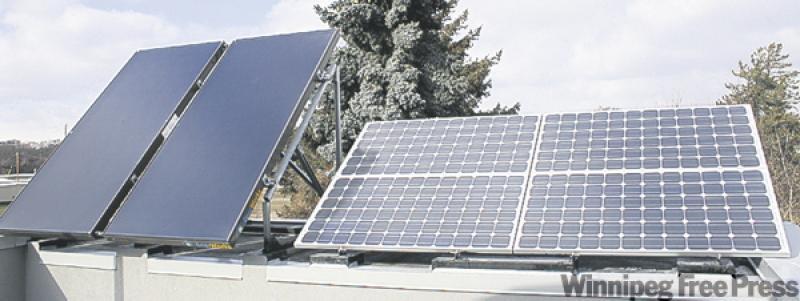
There are a number of feature attractions that make this year's show special. The Canuhome makes its first-ever appearance in Manitoba. This innovative project presents intelligent, sustainable, universal and affordable housing solutions that promote environmentally friendly options for homes now and in the future.

The Canadian Decorators' Association is presenting five interactive rooms of unique décor, and the third-floor Garden Court is always a highlight of the show.

Whether you are home renovating, home decorating, home designing or home dreaming, everything you will need is at the Home Expressions Show. The possibilities are endless. Revive your home with kitchens, baths, interior design, appliances, electronics, home furnishings, lifestyle products, fashion, living green and more.

Drop by the Convention Centre today to see the best and newest trends for your home and garden.

-- This column is prepared by the Manitoba Home Builders' Association


March 21

Renovation & Design

Your home can be your fantasyland

Room for Change: Connie Oliver
March 21

Browse Homes

Browse by Building Type